
Dog Body Language: What Your Pet Is Saying
Sonam Singh | TimesPets Bureau | Mar 30, 2026, 16:15 IST

Dog Body Language: What Your Pet Is Saying
Image credit : Pexels
Understanding your dog’s body language is key to building a strong and trusting relationship. Dogs communicate primarily through physical cues such as tail movement, ear position, posture, and facial expressions. By learning to interpret these signals, pet owners can better understand their dog’s emotions, needs, and intentions. This article explores the meaning behind common canine behaviors, helping you respond appropriately and prevent misunderstandings, ultimately ensuring a happier and healthier bond between you and your furry companion.
Dogs may not speak our language, but they are constantly communicating with us. Every wag of the tail, tilt of the head, or shift in posture carries meaning. Unfortunately, many pet owners misinterpret these signals, leading to confusion or even unsafe situations. Understanding dog body language is essential for recognizing your pet’s emotions whether they are happy, anxious, scared, or excited. By learning these cues, you not only improve your communication with your dog but also strengthen your bond and ensure their overall well being.
Tail Movements: More Than Just Happiness
![happiness]()
Whenever we see a dog wagging its tail, we usually assume it’s happy. However, tail movement is much more complex than that. Every wag carries a different meaning and reflects the dog’s emotional state. A high, fast wag often signals excitement or alertness, while a slow wag may indicate uncertainty or hesitation. If a dog’s tail is lowered or tucked between its legs, it is likely feeling scared, anxious, or insecure. On the other hand, a stiff, rigid wag can be a warning sign of potential aggression. This is why it’s important not to judge a dog’s mood based only on its tail, but to observe the entire body language.
Ears and Eyes: The Silent Indicators of Emotion
![Ears and Eyes: The Silent Indicators of Emotion]()
A dog’s ears and eyes are powerful tools for expressing emotions. When the ears are pointed forward, the dog is usually alert, curious, or interested in something. If the ears are pinned back, it may be feeling fearful, nervous, or submissive. The eyes also reveal a lot. Soft, relaxed eyes indicate calmness and comfort, while wide eyes showing the whites (often called “whale eye”) suggest stress or fear. Direct, intense staring can sometimes signal dominance or aggression, whereas avoiding eye contact shows discomfort or a desire to avoid conflict.
Body Posture: Understanding Confidence, Fear, and Aggression
![Body Posture: Understanding Confidence, Fear, and Aggression]() '
'
A dog’s posture provides a complete picture of its emotional state. A relaxed and loose body indicates that the dog feels safe and comfortable. In contrast, a stiff body suggests alertness or a perceived threat. If a dog lowers its body or crouches, it is likely feeling scared or submissive. On the other hand, leaning forward and trying to appear bigger can signal confidence or even aggression. One important warning sign is when a dog suddenly freezes this often means it is uncomfortable and may react defensively if pushed further.
Facial Expressions and Subtle Signals
![face experetion]()
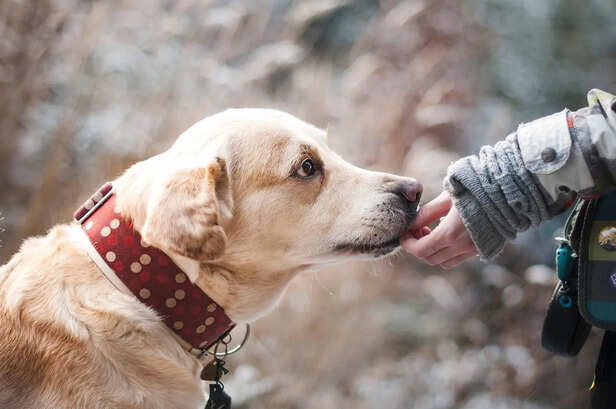
Dogs communicate a lot through their facial expressions and subtle gestures, though these are often overlooked. A slightly open mouth with a relaxed tongue usually means the dog is happy and at ease. However, if the dog pulls back its lips and shows teeth, it may be feeling threatened or aggressive. Yawning is not always a sign of sleepiness; it can also indicate stress or anxiety. Similarly, frequent lip licking often reflects nervousness or discomfort. These small signals are essential in understanding what your dog is truly feeling beneath the surface.
Context and Combination: The Key to True Understanding
![Context and Combination: The Key to True Understanding]()
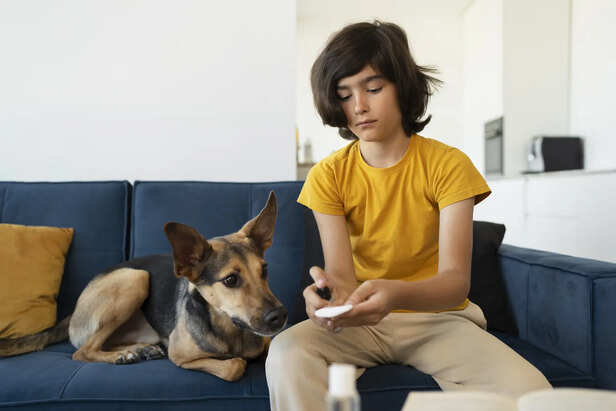
To accurately understand a dog’s body language, context is everything. No single signal tells the full story. For example, a wagging tail can mean happiness or stress depending on what the rest of the body is expressing. If a dog is wagging its tail but has a stiff body and intense stare, it could be a warning sign. In contrast, a relaxed body with loose, playful movements clearly indicates a happy and friendly dog. By observing all signals together and considering the situation, pet owners can better interpret their dog’s emotions. This deeper understanding not only prevents misunderstandings but also strengthens the bond between you and your pet, creating a safer and more trusting relationship.
Dog body language is a powerful form of communication that every pet owner should learn. From tail wags to subtle facial cues, your dog is constantly expressing their feelings and needs. By paying close attention and understanding these signals, you can build a deeper connection with your pet, ensure their emotional well being, and prevent potential problems. Ultimately, learning your dog’s language is the key to a happier, healthier, and more harmonious relationship.
Tail Movements: More Than Just Happiness
happiness
Image credit : Pexels
Whenever we see a dog wagging its tail, we usually assume it’s happy. However, tail movement is much more complex than that. Every wag carries a different meaning and reflects the dog’s emotional state. A high, fast wag often signals excitement or alertness, while a slow wag may indicate uncertainty or hesitation. If a dog’s tail is lowered or tucked between its legs, it is likely feeling scared, anxious, or insecure. On the other hand, a stiff, rigid wag can be a warning sign of potential aggression. This is why it’s important not to judge a dog’s mood based only on its tail, but to observe the entire body language.
Ears and Eyes: The Silent Indicators of Emotion

Ears and Eyes: The Silent Indicators of Emotion
Image credit : Pexels
A dog’s ears and eyes are powerful tools for expressing emotions. When the ears are pointed forward, the dog is usually alert, curious, or interested in something. If the ears are pinned back, it may be feeling fearful, nervous, or submissive. The eyes also reveal a lot. Soft, relaxed eyes indicate calmness and comfort, while wide eyes showing the whites (often called “whale eye”) suggest stress or fear. Direct, intense staring can sometimes signal dominance or aggression, whereas avoiding eye contact shows discomfort or a desire to avoid conflict.
Body Posture: Understanding Confidence, Fear, and Aggression
Body Posture: Understanding Confidence, Fear, and Aggression
Image credit : Pexels
A dog’s posture provides a complete picture of its emotional state. A relaxed and loose body indicates that the dog feels safe and comfortable. In contrast, a stiff body suggests alertness or a perceived threat. If a dog lowers its body or crouches, it is likely feeling scared or submissive. On the other hand, leaning forward and trying to appear bigger can signal confidence or even aggression. One important warning sign is when a dog suddenly freezes this often means it is uncomfortable and may react defensively if pushed further.
Facial Expressions and Subtle Signals

face experetion
Image credit : Pexels
Dogs communicate a lot through their facial expressions and subtle gestures, though these are often overlooked. A slightly open mouth with a relaxed tongue usually means the dog is happy and at ease. However, if the dog pulls back its lips and shows teeth, it may be feeling threatened or aggressive. Yawning is not always a sign of sleepiness; it can also indicate stress or anxiety. Similarly, frequent lip licking often reflects nervousness or discomfort. These small signals are essential in understanding what your dog is truly feeling beneath the surface.
Context and Combination: The Key to True Understanding

Context and Combination: The Key to True Understanding
Image credit : Pexels
To accurately understand a dog’s body language, context is everything. No single signal tells the full story. For example, a wagging tail can mean happiness or stress depending on what the rest of the body is expressing. If a dog is wagging its tail but has a stiff body and intense stare, it could be a warning sign. In contrast, a relaxed body with loose, playful movements clearly indicates a happy and friendly dog. By observing all signals together and considering the situation, pet owners can better interpret their dog’s emotions. This deeper understanding not only prevents misunderstandings but also strengthens the bond between you and your pet, creating a safer and more trusting relationship.
Dog body language is a powerful form of communication that every pet owner should learn. From tail wags to subtle facial cues, your dog is constantly expressing their feelings and needs. By paying close attention and understanding these signals, you can build a deeper connection with your pet, ensure their emotional well being, and prevent potential problems. Ultimately, learning your dog’s language is the key to a happier, healthier, and more harmonious relationship.