Pets are more than just animals they are family. Keeping them healthy is a top priority, but one of the most overlooked dangers is parasites. From fleas and ticks to worms and mites, parasites can cause severe discomfort and even life threatening diseases in pets. Prevention is always better than cure. By understanding how parasites affect pets and adopting proper preventive measures, pet owners can ensure a happy, healthy life for their companions.
Understanding Common Parasites in Pets
![Common Parasites in Pets]()
Common Parasites in Pets
Image credit : Freepik
Parasite prevention begins with awareness. Pets are commonly affected by two types of parasites external and internal. External parasites such as fleas, ticks, and mites live on the skin and fur, causing itching, redness, and infections. Some of them can even transmit serious diseases. Internal parasites, including roundworms, hookworms, and tapeworms, live inside the body and often affect the digestive system, leading to weight loss, weakness, and poor overall health.
These parasites spread through contaminated food, water, soil, or contact with infected animals. Since many infections are not immediately visible, understanding their nature helps pet owners take timely and effective action before the condition worsens.
Importance of Regular Veterinary Care
![Importance of Regular Veterinary Care]()
Importance of Regular Veterinary Care
Image credit : Freepik
Routine veterinary care is one of the strongest defenses against parasites. Many infections develop silently without showing clear symptoms in the early stages. Regular check ups help detect these problems before they become serious. Veterinarians usually recommend periodic stool tests to identify internal parasites and prescribe deworming treatments accordingly. They also guide pet owners on vaccination schedules and preventive medications. Following professional advice ensures that pets remain protected throughout the year and reduces the risk of long-term health complications.
Hygiene and Environmental Cleanliness
![Hygiene and Environmental Cleanliness]()
Hygiene and Environmental Cleanliness
Image credit : Freepik
A clean environment plays a crucial role in preventing parasite infestations. Parasites often breed in dirty and damp surroundings, making hygiene a key factor in pet care. Pet bedding should be washed regularly, and food and water bowls must be cleaned daily. It is also important to dispose of pet waste promptly to avoid contamination. Regular vacuuming of carpets, furniture, and corners helps eliminate flea eggs and larvae that are often hidden from view. Maintaining cleanliness not only protects pets but also keeps the household safe and healthy.
Preventive Treatments and Grooming Practices
![Preventive Treatments and Grooming Practices]()
Preventive Treatments and Grooming Practices
Image credit : Freepik
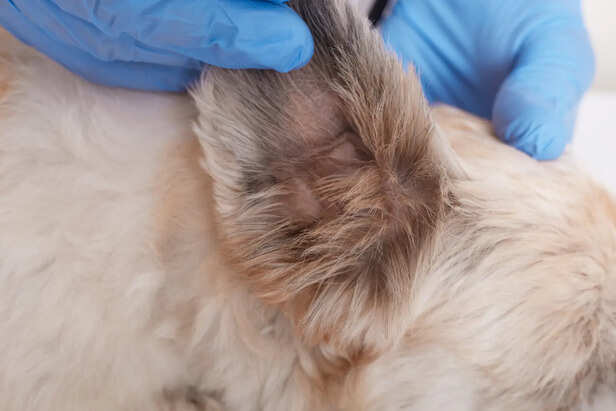
Preventive treatments are essential to stop parasites before they become a problem. Flea and tick control products such as spot on treatments, collars, and oral medications are widely used and highly effective when applied regularly. Deworming should also be done as per veterinary recommendations. In addition to treatments, grooming plays a key role in early detection and prevention. Regular brushing helps identify signs of parasites like ticks or skin irritation. Bathing pets with suitable shampoos keeps their coat clean and reduces the chances of infestation. Frequent inspection of the skin, ears, and fur ensures that any issue is noticed early and treated promptly.
Parasite prevention is a crucial part of responsible pet ownership. By combining regular vet care, proper hygiene, preventive treatments, and routine grooming, pet owners can protect their pets from harmful parasites. A proactive approach not only keeps pets comfortable but also safeguards their long-term health. Remember, a parasite free pet is a happy pet.