Just like humans, pets need a balanced and nutritious diet to stay healthy and active. Dogs and cats have different dietary requirements, and understanding these needs is essential for their overall well being. A proper diet not only supports growth and energy levels but also strengthens the immune system and prevents many health issues. With so many food options available ranging from commercial pet food to homemade meals it can be confusing for pet owners to decide what is best. Choosing the right diet requires knowledge of essential nutrients, portion sizes, and feeding habits. By following a well planned diet, pet owners can ensure their furry companions live a long, healthy, and happy life.
Understanding Nutritional Needs of Dogs and Cats
![Understanding Nutritional Needs of Dogs and Cats]()
Understanding Nutritional Needs of Dogs and Cats
Image credit : Freepik
The foundation of a good diet plan lies in understanding the nutritional requirements of pets. Dogs are omnivores, which means they can eat both plant based and animal-based foods. Their diet should include a balanced mix of proteins, carbohydrates, fats, vitamins, and minerals. Cats, on the other hand, are obligate carnivores. This means they require a diet rich in animal protein to survive. Nutrients like taurine, which are found in meat, are essential for a cat’s heart and eye health. Without proper nutrition, cats can quickly develop serious health problems. Providing the right balance of nutrients ensures proper growth, strong muscles, healthy skin, and a shiny coat.
Choosing the Right Type of Food
![Choosing the Right Type of Food]()
Choosing the Right Type of Food
Image credit : Freepik
Pet owners can choose between commercial pet food and homemade diets. High quality commercial foods are specially formulated to meet the nutritional needs of pets and are convenient to use. These include dry kibble, wet food, and semi moist options. Homemade diets can also be healthy if prepared correctly, but they require careful planning to ensure all nutrients are included. Feeding pets only leftovers or unbalanced meals can lead to nutritional deficiencies. It is important to read labels, check ingredients, and avoid foods with excessive fillers, artificial additives, or low-quality protein sources. Consulting a veterinarian can help in selecting the most suitable food for your pet.
Portion Control and Feeding Schedule
![Portion Control and Feeding Schedule]()
Portion Control and Feeding Schedule
Image credit : Freepik
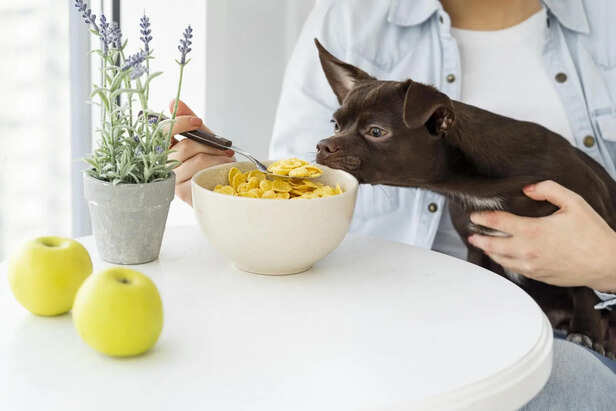
Feeding the right amount at the right time is just as important as choosing the right food. Overfeeding can lead to obesity, while underfeeding can cause weakness and malnutrition. Dogs are usually fed once or twice a day, depending on their age, size, and activity level. Puppies require more frequent meals to support their growth. Cats prefer smaller, more frequent meals throughout the day. Establishing a consistent feeding schedule helps regulate digestion and prevents overeating. Always provide fresh, clean water alongside meals to keep pets hydrated.
Special Diets and Common Feeding Mistakes
Some pets may require special diets due to age, health conditions, or allergies. For example, senior pets may need low calorie diets, while pets with medical conditions might require prescription food recommended by a veterinarian. There are also common feeding mistakes that pet owners should avoid. Giving too many treats, feeding human junk food, or ignoring portion sizes can harm a pet’s health. Foods like chocolate, onions, and certain artificial sweeteners are toxic to pets and should never be given. Being mindful of these factors ensures that pets receive a safe and balanced diet tailored to their specific needs.
A well balanced diet is the key to a pet’s long and healthy life. Understanding the unique nutritional needs of dogs and cats, choosing the right food, maintaining proper portion sizes, and avoiding common mistakes are essential steps in responsible pet care. By paying attention to what and how pets are fed, owners can prevent many health issues and improve their pets’ quality of life. A healthy diet not only keeps pets physically fit but also ensures they remain active, happy, and full of energy.