
From beds and blankets to leashes and collars: 5 things every pet parent should clean more often than they do
Sept 08, 2026, 14:05 IST

5 things every pet parent should clean more often than they do. Image credits: Gemini
Pet parents often clean their homes but forget about the everyday items their pets use most. From food bowls and beds to toys, collars and litter boxes, these items can collect dirt, fur and harmful germs over time. Regular cleaning can help protect pets and their families from infections and keep their surroundings healthier. Here are five commonly used pet items that deserve more frequent cleaning than you may realise.
We clean our homes regularly, wash our own clothes, and keep our kitchens tidy, but pet items can easily be forgotten. Your dog’s favourite toy, your cat’s blanket, or even the leash you use every day may look perfectly fine while still collecting dirt, food particles, fur, and germs. According to the US Centres for Disease Control and Prevention (CDC), pet items such as bowls, toys, and leashes can become contaminated with germs. Regular cleaning can help keep both pets and their families healthier. Here are five everyday pet items that may need more cleaning than you think.
![Pet Beds and Blankets]()
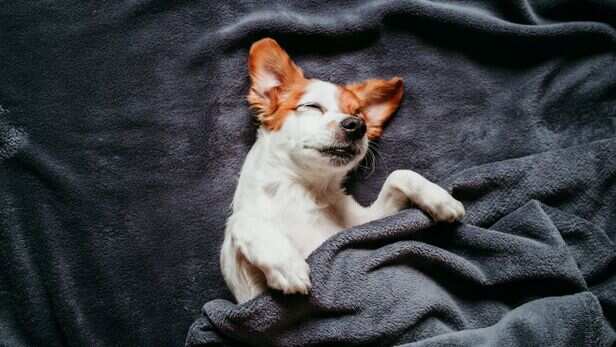
Your pet’s bed is where they spend hours sleeping, relaxing, and sometimes eating treats. Over time, it can collect fur, dust, dirt, and other material brought in from outside. The CDC recommends cleaning pet beds, blankets, and similar soft items once a week. If the bed looks dirty or smells bad, it may need to be cleaned sooner. Wash removable covers and blankets according to their care instructions. For items that can go into a washing machine, use detergent and the appropriate water temperature for the fabric. Make sure everything is completely dry before giving it back to your pet. A clean sleeping area is especially important if your pet spends time outdoors or has recently been unwell.
![Pet toys]()
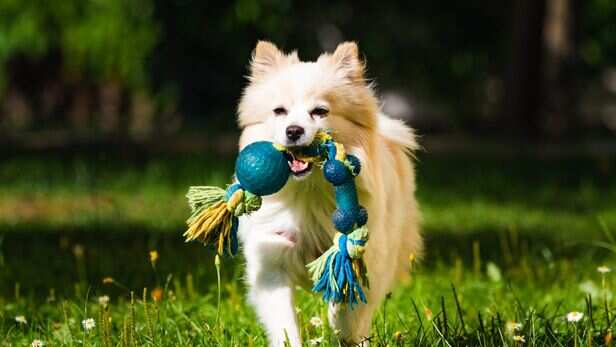
That old ball or stuffed toy may be your dog’s favourite possession, but it can also collect dirt, saliva, and food particles. The CDC recommends cleaning pet toys once a month, or more often if they become dirty or smell bad. Hard toys made from materials such as rubber or plastic can usually be cleaned with soapy water. Soft toys may be suitable for washing machines, but always check the manufacturer's instructions first. You should also inspect toys regularly. If a toy is damaged, has loose pieces or cannot be cleaned properly, replacing it may be safer than continuing to use it.
![Leashes and collars]()
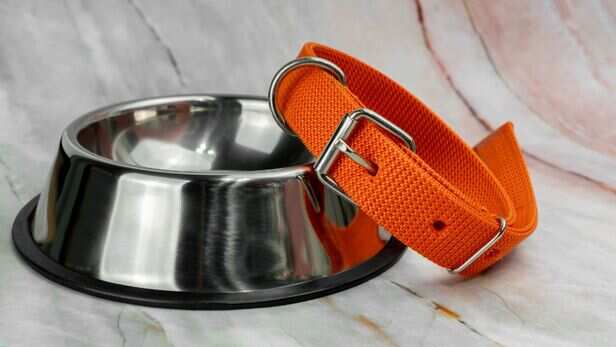
Leashes and collars are among the most frequently handled pet items, yet they are easy to overlook during regular cleaning. They can pick up dirt from roads, parks, floors, and other surfaces. Your hands also touch them every time you take your pet outside. The CDC advises pet owners to clean pet supplies regularly and to follow the cleaning instructions provided by the manufacturer. Depending on the material, collars and leashes may be wiped with soapy water or washed according to their care instructions. Allow them to dry fully before putting them back on your pet. Do not use strong cleaning products unless the item's instructions say they are suitable.
![Food and water bowls]()
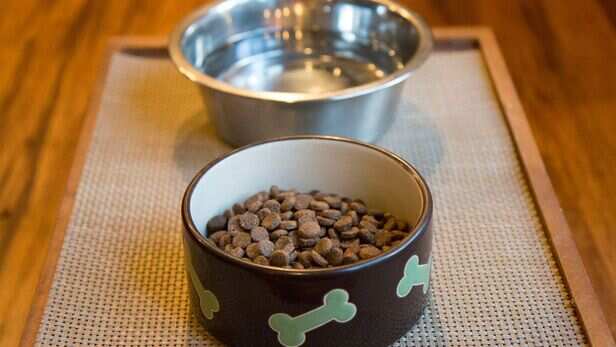
Pet bowls may be one of the most important items to clean regularly because they come into direct contact with food and water. The FDA recommends washing pet food bowls and feeding utensils with soap and hot water after each use. It also recommends washing water bowls daily. The CDC gives similar guidance, recommending that bowls used for wet food be cleaned after every use, while bowls used for dry food and water should be cleaned every day. Food and treats can sometimes carry harmful bacteria, which means leftover food and dirty bowls should not be ignored. If your pet's bowl is dishwasher-safe, you can also use the dishwasher according to the manufacturer's instructions.
![Litter boxes and their surrounding area]()
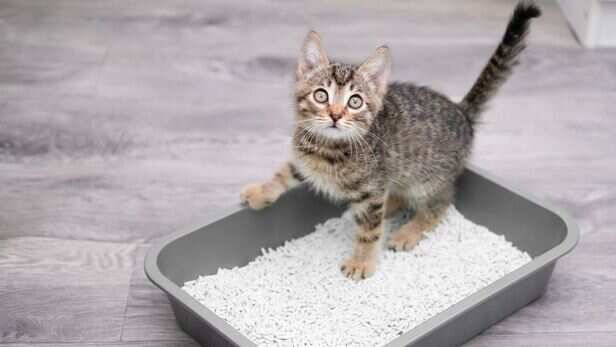
For cat parents, the litter box is another area that needs regular attention. It can come into contact with urine and faeces, which means it requires more careful cleaning than many other pet items. The CDC recommends cleaning cat litter boxes **daily** to reduce exposure to harmful parasites. The organisation also advises disinfecting items that come into contact with poop or urine more regularly. Do not forget the area around the litter box. Litter can easily be carried onto the floor on your cat's paws. Regularly sweep or vacuum the surrounding area and clean any visible mess.
You do not need to disinfect every pet item every day. For most items, regular cleaning with soap or detergent and warm water is enough. Disinfection is an additional step that may be needed when a pet is sick or when an item has come into contact with urine or feces. The CDC recommends washing items with soap or detergent, scrubbing them properly, rinsing them, and allowing them to dry completely. Always follow the manufacturer's instructions and keep pets away from cleaning products while you are using them.
One simple rule can make pet hygiene easier: if an item touches your pet's food, mouth, body, or waste regularly, it deserves regular cleaning too. A few extra minutes spent washing your pet's everyday belongings can help keep their environment cleaner and make your home healthier for everyone.
1. Pet Beds and Blankets
Pet Beds and Blankets
Your pet’s bed is where they spend hours sleeping, relaxing, and sometimes eating treats. Over time, it can collect fur, dust, dirt, and other material brought in from outside. The CDC recommends cleaning pet beds, blankets, and similar soft items once a week. If the bed looks dirty or smells bad, it may need to be cleaned sooner. Wash removable covers and blankets according to their care instructions. For items that can go into a washing machine, use detergent and the appropriate water temperature for the fabric. Make sure everything is completely dry before giving it back to your pet. A clean sleeping area is especially important if your pet spends time outdoors or has recently been unwell.
2. Pet toys
Pet toys
That old ball or stuffed toy may be your dog’s favourite possession, but it can also collect dirt, saliva, and food particles. The CDC recommends cleaning pet toys once a month, or more often if they become dirty or smell bad. Hard toys made from materials such as rubber or plastic can usually be cleaned with soapy water. Soft toys may be suitable for washing machines, but always check the manufacturer's instructions first. You should also inspect toys regularly. If a toy is damaged, has loose pieces or cannot be cleaned properly, replacing it may be safer than continuing to use it.
3. Leashes and collars
Leashes and collars
Leashes and collars are among the most frequently handled pet items, yet they are easy to overlook during regular cleaning. They can pick up dirt from roads, parks, floors, and other surfaces. Your hands also touch them every time you take your pet outside. The CDC advises pet owners to clean pet supplies regularly and to follow the cleaning instructions provided by the manufacturer. Depending on the material, collars and leashes may be wiped with soapy water or washed according to their care instructions. Allow them to dry fully before putting them back on your pet. Do not use strong cleaning products unless the item's instructions say they are suitable.
4. Food and water bowls
Food and water bowls
Pet bowls may be one of the most important items to clean regularly because they come into direct contact with food and water. The FDA recommends washing pet food bowls and feeding utensils with soap and hot water after each use. It also recommends washing water bowls daily. The CDC gives similar guidance, recommending that bowls used for wet food be cleaned after every use, while bowls used for dry food and water should be cleaned every day. Food and treats can sometimes carry harmful bacteria, which means leftover food and dirty bowls should not be ignored. If your pet's bowl is dishwasher-safe, you can also use the dishwasher according to the manufacturer's instructions.
5. Litter boxes and their surrounding area
Litter boxes and their surrounding area
For cat parents, the litter box is another area that needs regular attention. It can come into contact with urine and faeces, which means it requires more careful cleaning than many other pet items. The CDC recommends cleaning cat litter boxes **daily** to reduce exposure to harmful parasites. The organisation also advises disinfecting items that come into contact with poop or urine more regularly. Do not forget the area around the litter box. Litter can easily be carried onto the floor on your cat's paws. Regularly sweep or vacuum the surrounding area and clean any visible mess.
Cleaning does not have to be complicated
You do not need to disinfect every pet item every day. For most items, regular cleaning with soap or detergent and warm water is enough. Disinfection is an additional step that may be needed when a pet is sick or when an item has come into contact with urine or feces. The CDC recommends washing items with soap or detergent, scrubbing them properly, rinsing them, and allowing them to dry completely. Always follow the manufacturer's instructions and keep pets away from cleaning products while you are using them.
One simple rule can make pet hygiene easier: if an item touches your pet's food, mouth, body, or waste regularly, it deserves regular cleaning too. A few extra minutes spent washing your pet's everyday belongings can help keep their environment cleaner and make your home healthier for everyone.