
Obesity in Pets: Causes and Prevention
Sonam Singh | TimesPets Bureau | Apr 23, 2026, 10:00 IST

Obesity in Pets: Causes and Prevention
Image credit : Freepik
Obesity in pets is a growing health concern that can lead to serious medical conditions such as diabetes, joint problems, and heart disease. Many pet owners unknowingly contribute to weight gain through overfeeding and lack of exercise. This article explores the major causes of obesity in pets and provides practical prevention tips. By understanding proper nutrition, activity levels, and lifestyle management, you can help your pet maintain a healthy weight and enjoy a longer, happier life.
Pet obesity has become increasingly common in recent years, affecting both dogs and cats across all age groups. While a chubby pet may look cute, excess weight can significantly impact their health and quality of life. Obesity puts strain on vital organs, reduces mobility, and increases the risk of chronic diseases. The good news is that obesity is preventable and manageable with the right care. By identifying the causes and taking proactive steps, pet owners can ensure their companions stay fit, active, and healthy.
Common Causes of Obesity in Pets
![Common Causes of Obesity in Pets]()
Obesity in pets is often the result of multiple factors rather than a single cause. The most common reason is overfeeding giving pets more food than they actually need or offering frequent treats without considering calorie intake. Many pet owners equate food with love, which unintentionally leads to excessive weight gain. Another major factor is lack of physical activity. Indoor pets, especially cats, may not get enough exercise to burn calories. Additionally, certain breeds are more prone to weight gain due to genetic factors. Age also plays a role, as older pets tend to have slower metabolisms and lower energy levels. Hormonal imbalances and medical conditions can further contribute to obesity, making regular veterinary check-ups essential.
Health Risks Associated with Pet Obesity
![Health Risks Associated with Pet Obesity]()
Excess weight can lead to a wide range of health problems in pets. One of the most common issues is joint stress, which can cause arthritis and difficulty in movement. Overweight pets often experience reduced stamina and may become less active, creating a cycle of weight gain and inactivity. Obesity also increases the risk of serious conditions such as diabetes, heart disease, and respiratory problems. In cats, obesity is strongly linked to liver disease, while dogs may suffer from high blood pressure and reduced life expectancy. Furthermore, overweight pets may have weaker immune systems, making them more vulnerable to infections and illnesses.
Effective Prevention Through Diet and Portion Control
![Effective Prevention Through Diet and Portion Control]()
One of the most effective ways to prevent obesity is by managing your pet’s diet. Feeding high quality, balanced food in appropriate portions is essential. Always follow feeding guidelines based on your pet’s weight, age, and activity level. Avoid free feeding (leaving food out all day), as it often leads to overeating. Limit treats and choose healthier options when possible. Treats should not make up more than 10% of your pet’s daily calorie intake. Measuring food portions using a cup or scale ensures accuracy and prevents accidental overfeeding. Fresh water should always be available to support digestion and overall health.
Importance of Regular Exercise and Active Lifestyle
![Importance of Regular Exercise and Active Lifestyle]()
Exercise is crucial for maintaining a healthy weight and overall well being. Dogs benefit from daily walks, playtime, and interactive activities that keep them physically engaged. Cats, although less active by nature, can be encouraged to move through toys, climbing structures, and interactive play sessions. Consistency is key when it comes to exercise. Even short but regular activity sessions can make a significant difference. Engaging your pet in fun activities not only helps burn calories but also strengthens your bond. An active lifestyle reduces the risk of obesity and keeps your pet mentally stimulated.
Obesity in pets is a serious yet preventable condition that requires attention and responsible care. By understanding the causes, monitoring diet, controlling portions, and encouraging regular exercise, pet owners can help their pets maintain a healthy weight. Preventing obesity not only improves physical health but also enhances your pet’s quality of life. With consistent care and awareness, you can ensure your pet remains active, happy, and free from obesity-related health issues.
Common Causes of Obesity in Pets

Common Causes of Obesity in Pets
Image credit : Freepik
Obesity in pets is often the result of multiple factors rather than a single cause. The most common reason is overfeeding giving pets more food than they actually need or offering frequent treats without considering calorie intake. Many pet owners equate food with love, which unintentionally leads to excessive weight gain. Another major factor is lack of physical activity. Indoor pets, especially cats, may not get enough exercise to burn calories. Additionally, certain breeds are more prone to weight gain due to genetic factors. Age also plays a role, as older pets tend to have slower metabolisms and lower energy levels. Hormonal imbalances and medical conditions can further contribute to obesity, making regular veterinary check-ups essential.
Health Risks Associated with Pet Obesity
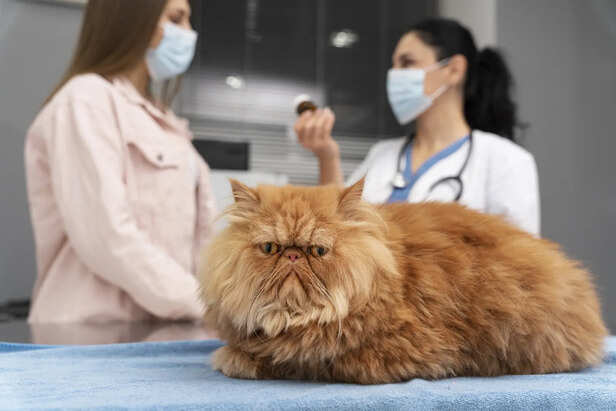
Health Risks Associated with Pet Obesity
Image credit : Freepik
Excess weight can lead to a wide range of health problems in pets. One of the most common issues is joint stress, which can cause arthritis and difficulty in movement. Overweight pets often experience reduced stamina and may become less active, creating a cycle of weight gain and inactivity. Obesity also increases the risk of serious conditions such as diabetes, heart disease, and respiratory problems. In cats, obesity is strongly linked to liver disease, while dogs may suffer from high blood pressure and reduced life expectancy. Furthermore, overweight pets may have weaker immune systems, making them more vulnerable to infections and illnesses.
Effective Prevention Through Diet and Portion Control

Effective Prevention Through Diet and Portion Control
Image credit : Freepik
One of the most effective ways to prevent obesity is by managing your pet’s diet. Feeding high quality, balanced food in appropriate portions is essential. Always follow feeding guidelines based on your pet’s weight, age, and activity level. Avoid free feeding (leaving food out all day), as it often leads to overeating. Limit treats and choose healthier options when possible. Treats should not make up more than 10% of your pet’s daily calorie intake. Measuring food portions using a cup or scale ensures accuracy and prevents accidental overfeeding. Fresh water should always be available to support digestion and overall health.
Importance of Regular Exercise and Active Lifestyle

Importance of Regular Exercise and Active Lifestyle
Image credit : Pexels
Exercise is crucial for maintaining a healthy weight and overall well being. Dogs benefit from daily walks, playtime, and interactive activities that keep them physically engaged. Cats, although less active by nature, can be encouraged to move through toys, climbing structures, and interactive play sessions. Consistency is key when it comes to exercise. Even short but regular activity sessions can make a significant difference. Engaging your pet in fun activities not only helps burn calories but also strengthens your bond. An active lifestyle reduces the risk of obesity and keeps your pet mentally stimulated.
Obesity in pets is a serious yet preventable condition that requires attention and responsible care. By understanding the causes, monitoring diet, controlling portions, and encouraging regular exercise, pet owners can help their pets maintain a healthy weight. Preventing obesity not only improves physical health but also enhances your pet’s quality of life. With consistent care and awareness, you can ensure your pet remains active, happy, and free from obesity-related health issues.