
What are the Reasons Your Pet is Gaining Weight?
Kashish Pandey | Sept 29, 2025, 02:11 IST

dog
Image credit : Pixabay
Indoor pets are more likely to gain weight due to limited activity and lifestyle factors. Obesity can cause serious health problems such as diabetes, arthritis, and heart disease. By understanding why pets put on weight and making simple adjustments in their care, owners can keep them healthy, fit, and happy. This article highlights the main causes of weight gain and effective ways to prevent obesity in indoor pets.
Pets fill homes with love, joy, and companionship, but keeping them indoors can sometimes lead to weight gain. While chubby pets may look cute, obesity is a serious health risk that affects their quality of life and lifespan. Indoor pets often move less, eat more, and face lifestyle conditions that make them prone to obesity. The good news is that with the right feeding habits, exercise, and care, owners can help their pets stay lean and active. Let’s look at the main reasons pets gain weight and how you can prevent obesity.
![medicine]()
![dog]()
Frequently Asked Questions[FAQs]
Why Indoor Pets Gain Weight
- Overfeeding :-Many pet parents feed their pets larger portions than needed or give frequent treats. These extra calories add up and lead to fat storage.
- Lack of Exercise :-Indoor pets often get less movement compared to outdoor pets. With fewer walks and less play, their energy levels drop and weight builds up.
- Poor Diet :-Low-quality food and human snacks often contain high fat or sugar, which increases the risk of obesity.
- Age and Metabolism :-Older pets naturally burn fewer calories. If their diet is not adjusted, they can gain weight quickly.
- Medical Conditions :-Certain health problems like thyroid issues or diabetes can make pets gain weight, even if their diet seems normal.
How to Prevent Obesity in Indoor Pets
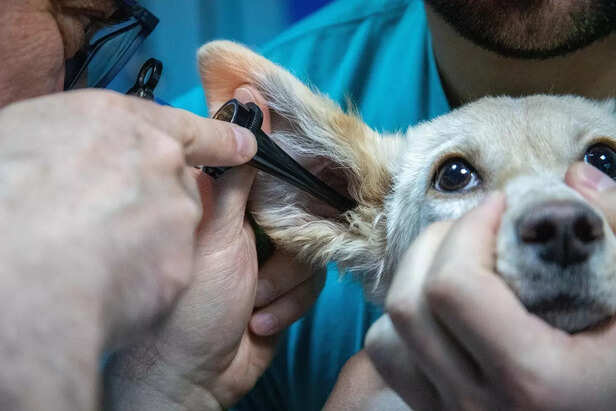
medicine
Image credit : Pixabay
- Feed the Right Portions :-Measure your pet’s food and stick to recommended portions based on age, breed, and size. Avoid leaving food out all day.
- Limit Treats :-Give treats only occasionally and choose healthier options like small bits of vegetables or low-calorie pet snacks.
- Encourage Daily Activity :-Indoor cats and dogs both need exercise. Cats enjoy climbing posts and chase toys, while dogs need walks and indoor play sessions.
- Monitor Their Weight :-Weigh your pet regularly or track body shape. If you notice weight gain, adjust feeding and exercise before it becomes a bigger issue.
- Choose Quality Food :-Pick food rich in nutrients and suited for your pet’s needs. Avoid table scraps, junk snacks, or food high in fat.
- Provide Mental Stimulation :-Toys, puzzle feeders, and interactive games keep pets busy, reduce boredom, and prevent overeating.
- Visit the Vet Regularly :-Check-ups help detect health problems early. Your vet can guide you on diet, supplements, or exercise routines suitable for your pet.
Common Mistakes Owners Make
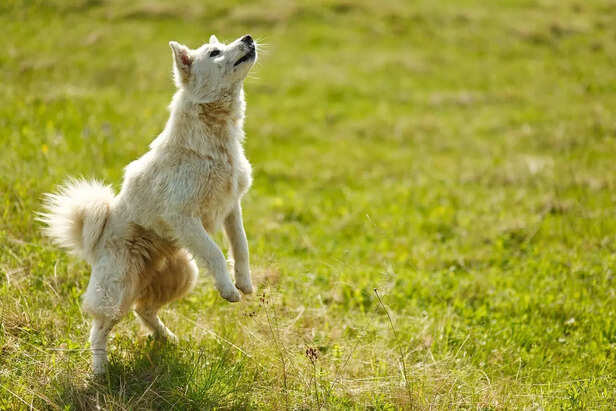
dog
Image credit : Pixabay
- Free-feeding or topping up bowls too oftenGiving too many treats without counting calories
- Not providing daily exercise or playtime
- Ignoring gradual weight gain until it becomes severe
- Feeding human food that is high in fat, sugar, or salt
- Choosing low-quality pet food with poor nutrition
- Not adjusting diet as pets age and metabolism slows
- Assuming chubby pets are cute without realizing health risks
- Using food as the main way to show love instead of play or affection
- Not tracking portions consistently between family members feeding the pet
Obesity in indoor pets is becoming more common, but the good news is that it can be avoided with a few small, consistent changes. Simple habits like serving the right portions, keeping treats in check, making time for play and walks, and keeping an eye on their weight can go a long way. A pet that stays active and fit is not just healthier but also happier, with more years of joy to share with you. As a loving pet parent, your care and attention can be the difference between a pet that struggles with extra weight and one that thrives with energy, love, and vitality.
Frequently Asked Questions[FAQs]
- What is the most common reason pets gain weight?
The most common reason is overfeeding, especially when portion sizes are not controlled or pets are given too many treats. - Can lack of exercise make indoor pets overweight?
Yes, indoor pets often have limited space to move and play, which lowers their activity level and leads to weight gain. - Do medical problems cause weight gain in pets?
Certain conditions such as hypothyroidism, diabetes, and Cushing’s disease can cause unexpected weight gain in pets. - Does age affect a pet’s weight?
As pets get older, their metabolism slows down and activity levels drop, which can lead to weight gain if their diet is not adjusted.