
What Vets Wish Indian Pet Owners Knew About Pet Nutrition ?
Upasna Yadav | Feb 19, 2026, 07:00 IST

Feeding Your Pet according To the Vet Advice
Are you one of the pet parents who stare at that wall of kibble in the store and feel a wave of confusion? With so many flashy messages and trendy claims (like, Grain-free, Raw, Organic), it’s easy to get overwhelmed. You just want what’s best for your pet, but the path to it seems to change every day.
Highlights
1. The truth is that your vet feels your pain, and they see the gap between well-intentioned owner beliefs and the clinical reality. Given the opportunity, their foremost wish would be for a foundational, evidence-based understanding of pet nutrition to be common knowledge among pet owners.
2. Safe and nutritionally balanced feed are effective preventive measures to help animals to cope with pathogens by enhancing the overall animal health & welfare status through specific feeding strategies, feed composition, feed formulations or feed processing.
3. Over the last decade, the way we care for our pets in India has transformed. They're no longer just animals living in the backyard, they’re family. But even as love and care increase, one of the most crucial aspects of pet health is often overlooked. The aspect that we are talking about is Nutrition.
2. Safe and nutritionally balanced feed are effective preventive measures to help animals to cope with pathogens by enhancing the overall animal health & welfare status through specific feeding strategies, feed composition, feed formulations or feed processing.
3. Over the last decade, the way we care for our pets in India has transformed. They're no longer just animals living in the backyard, they’re family. But even as love and care increase, one of the most crucial aspects of pet health is often overlooked. The aspect that we are talking about is Nutrition.
The Fundamentals of Feeding Your Pet:
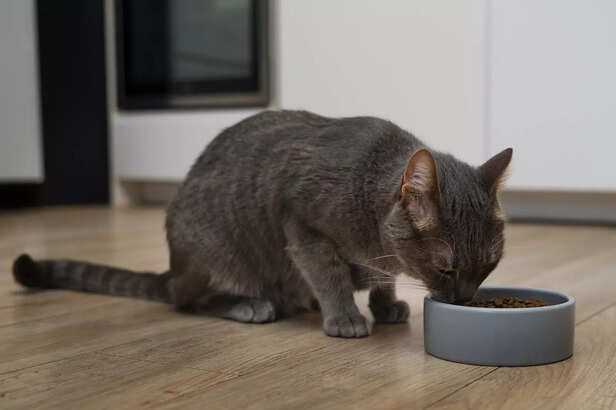
Healthy And Well- Nourished Adorable Cat Eating
When you bring your pet in for a check-up, your vet is doing a visual and hands-on assessment, and it all boils down to one thing: Is this diet working for your pet?
They’re looking for:
- A shiny and healthy coat.
- Bright, clear eyes.
- Consistent energy levels.
- And most importantly, an ideal body condition score.
The Most Common Feeding Mistakes:

Signs of Poor Nutrition In Pets
1. The “Just One More Scoop” Problem (Overfeeding)
The small acts of love, such as giving pets a handful of kibbles over the measuring cup and using the leftover bacon grease, add up quickly. Pet obesity is one of the major health crises clinics face, almost on a daily basis. Remember that obesity is not only about excess weight gain, it’s also a primary cause for diseases like arthritis, diabetes and heart disease, which lead to a shortened lifespan. Measuring every meal is a core part of a healthy dog diet and a fundamental piece of vet nutrition tips for a reason. Always use a measuring cup and follow the guidelines on the bag. You can adjust the quantity based on your pet’s specific activity level and body condition.
2. Neglecting Hydration Needs
Pets specially cat naturally have a low thirst drive, as their ancestors obtained most of their water from prey. However, modern cats on a dry food diet often don’t drink enough water, leading to urinary tract infections (UTIs) or kidney problems. Ensure your pets stays hydrated by providing fresh, clean water daily. Consider investing in a cat water fountain, which encourages drinking through moving water. Adding wet food to their diet is another effective way to boost hydration.
3. Feeding Inappropriate Human Foods or Treats
It’s tempting to share your snacks with your pet, but some human foods are dangerous for felines. Common toxic foods include onions, garlic, chocolate, grapes, and even certain spices. Over-reliance on treats can also lead to nutrient imbalances and weight gain. Stick to cat-safe treats and always feed them in moderation. Look for high-quality, nutritious treats or use kibble from your main diet as a reward. This way, you keep their diet consistent and healthy while indulging their cravings responsibly.
4. Ignoring Special Dietary Needs
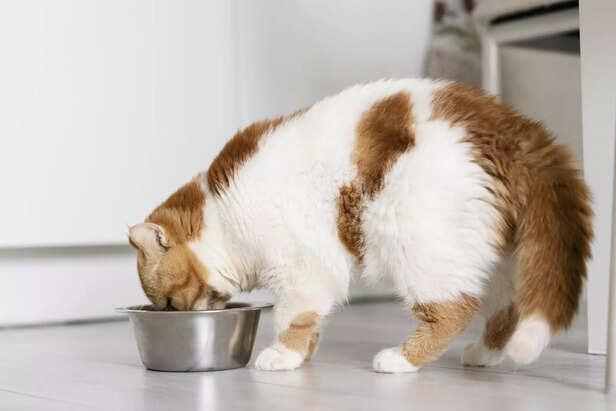
Feeding Pet Without Following The Nutrition Instruction
Not all pets have the same dietary requirements. Petts with allergies, sensitive stomachs, or specific health conditions (e.g., urinary crystals or obesity) need tailored diets. Ignoring these needs can worsen health problems or create new ones. Consult your veterinarian to understand your pet unique dietary needs. Choose premium pet food brands like which offer recipes designed for different life stages and health concerns. Specialized diets ensure your pet gets the nutrients they need while avoiding potential irritants.
5. Choosing What’s Trendy Over What’s Tested
The internet is filled with passionate anecdotes about raw or grain-free formulas. The grain-free trend serves as a solid case study. Many pet owners adopted them since they thought they were healthier. Nevertheless, the FDA has conducted some research on the possibility of a connection between some grain-free diets and a severe heart disease named dilated cardiomyopathy (DCM). There are no exceptions for raw diets. They also carry risks of bacterial contamination for both pets and people. The experts at Tufts University’s Cummings School of Veterinary Medicine have fantastic, science-backed resources on these topics.
Celebrate the bond with your pets, explore Health & Nutrition, discover Breeds, master Training Tips, Behavior Decoder, and set out on exciting Travel Tails with Times Pets!
Frequently asked questions (FAQs)
- Do Indian pets really need commercial pet food, or is homemade food enough?
Veterinarians say homemade food alone often lacks essential nutrients like calcium, taurine, and vitamins. A balanced commercial pet food or vet-approved homemade diet is safer for long-term health. - Why do vets warn against feeding pets chapati, milk, and leftovers?
Many common Indian foods are high in salt, spices, and carbohydrates, which can cause obesity, digestive issues, and nutrient deficiencies in pets over time. - How can I tell if my pet’s diet is nutritionally poor?
Signs include dull coat, low energy, frequent stomach upsets, weak immunity, excessive shedding, and slow growth in puppies or kittens. - Should pet food change with seasons in India ?
Yes. In hot weather, pets need lighter, easily digestible food and proper hydration, while winter diets may require slightly higher energy intake.