
6 Signs Your Parrot Is Stressed (Don’t Ignore)
Noopur Kumari | May 07, 2026, 10:00 IST

Parrot
Image credit : Freepik
At first, the changes are small a missed meal, a strange sound, a little less energy. Easy to ignore. But here’s the truth: stress in parrots doesn’t appear suddenly. It builds quietly and reveals itself through subtle behavior shifts. The shocking part? What seems normal may actually be a warning sign. Over time, these small signals can affect your parrot’s health, mood, and even lifespan. Most owners notice it too late. But if you learn to spot these early changes, you can act in time. Let’s uncover what your parrot is really trying to tell you.
Your parrot may look fine calm, quiet, and simply going about its day. Sitting still, eating occasionally, making a few sounds. But what if that silence isn’t comfort? What if it’s stress hiding in plain sight? Parrots may not speak your language, but they are always communicating through behavior. The real problem is most owners don’t recognize these subtle signals. They assume everything is normal until something feels seriously wrong. And by then, the signs have already turned into damage. The truth is simple: what you don’t notice today could affect your parrot tomorrow.
![Parrot Ignoring Food]()
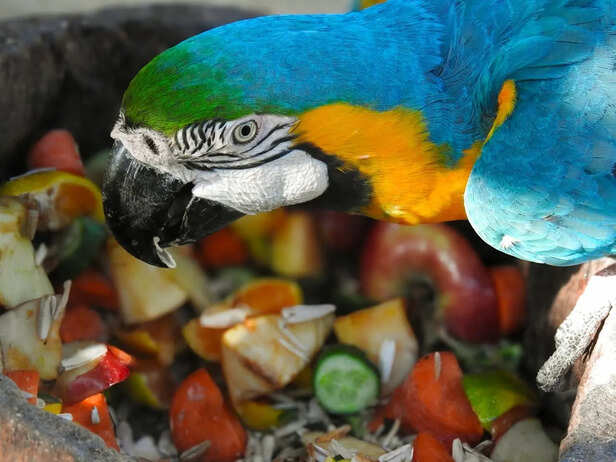
A healthy parrot usually loves its food. So when it suddenly stops eating or ignores favorite treats, something is wrong. Stress is one of the most common reasons. Changes in environment, routine, or emotional state can reduce appetite quickly. Over time, this leads to weight loss and weakness. But many owners mistake it as mood swings. The key is consistency. Feed your parrot at the same time daily, keep the environment calm, and offer variety. If the behavior continues, it’s important to check for health issues early before the condition worsens.
![Quiet vs Loud Parrot]()
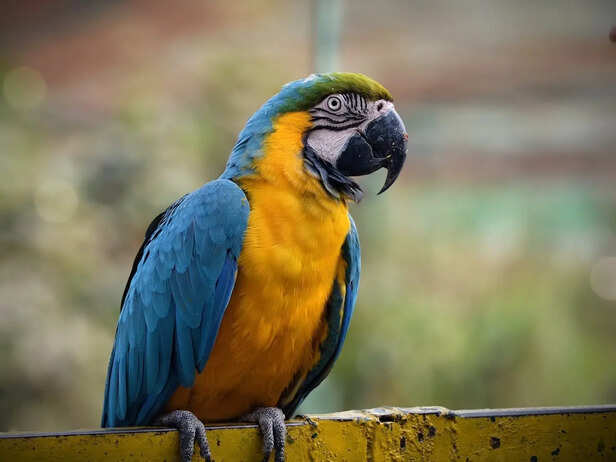
Parrots are naturally expressive. They talk, chirp, and mimic sounds. But stress changes this pattern. Some parrots become unusually quiet, while others scream more than usual. Both are warning signs. Silence can indicate fear, loneliness, or even illness. Excessive noise often reflects anxiety or discomfort. These changes usually follow environmental shifts new people, new pets, or lack of attention. The solution is simple but powerful: spend more time with your parrot, keep routines stable, and introduce changes slowly. Your presence is often the biggest comfort they need.
Grooming is natural but too much is a red flag. If your parrot starts plucking feathers or over-preening, it’s often dealing with stress, boredom, or anxiety. This behavior can quickly lead to skin damage and long-term health issues. Parrots need mental stimulation. Without it, they turn to repetitive habits for comfort. The fix isn’t complicated add toys, rotate them regularly, and create an engaging environment. Social interaction also matters. A stimulated parrot is a healthy parrot. Ignoring this sign can turn a small issue into a serious problem.
It may not be pleasant but it’s important. A parrot’s droppings reveal a lot about its health. Changes in color, texture, or smell can signal stress or illness. Many owners overlook this sign, assuming it’s temporary. But consistent changes should never be ignored. Stress can affect digestion, leading to visible differences. Keep an eye on patterns, not just one-time changes. If unusual droppings come with low energy or appetite loss, consult a vet immediately. Early attention can prevent serious health complications and keep your parrot safe.
Parrots are intelligent creatures. When they lack stimulation, stress shows through repetitive actions like pacing, swaying, or head-bobbing. At first, it may seem harmless. But constant repetition signals boredom or anxiety. This is your parrot asking for engagement. Add new perches, interactive toys, and foraging activities. Spend quality time daily. Mental stimulation is just as important as food. A busy parrot is a happy parrot. Ignoring this behavior can lead to deeper emotional stress and long-term behavioral issues.
Sudden aggression or fear is one of the clearest signs of stress. A calm parrot may start biting, hiding, or acting defensive. This usually happens when they feel unsafe or overwhelmed. New environments, unfamiliar people, or past negative experiences can trigger this behavior. Punishment makes it worse. Instead, create a safe, quiet space and rebuild trust slowly. Reward calm behavior and be patient. Over time, your parrot will feel secure again. Remember aggression is not anger. It’s fear that hasn’t been understood.
Celebrate the bond with your pets, explore Health & Nutrition, discover Breeds, master Training Tips, Behavior Decoder, and set out on exciting Travel Tails with Times Pets!
1. How can I tell if my parrot is stressed or just tired?
Tired parrots rest normally and return to usual behavior. A stressed parrot shows ongoing changes—like appetite loss, unusual silence, aggression, or repetitive movements. If it continues for days, it’s likely stress, not just fatigue.
2. What is the most common cause of stress in parrots?
Changes in environment, lack of attention, boredom, loud noise, or sudden routine shifts are the most common triggers. Parrots are sensitive and thrive on stability.
3. Can stress make my parrot sick?
Yes. Long-term stress weakens immunity and can lead to feather plucking, weight loss, infections, and behavioral issues. Early signs should never be ignored.
4. Why is my parrot suddenly quiet?
A usually vocal parrot becoming silent can signal fear, loneliness, or illness. Sudden silence is often a warning sign that something is wrong.
5. How do I calm a stressed parrot?
Create a quiet, safe space, maintain a consistent routine, offer toys, and spend quality time. Gentle interaction builds trust and reduces anxiety.
6. Should I punish my parrot for aggressive behavior?
No. Aggression is often a response to fear or stress. Punishment can worsen the problem. Instead, use patience and positive reinforcement.
When Eating Habits Suddenly Change
Parrot Ignoring Food
Image credit : Pexels
A healthy parrot usually loves its food. So when it suddenly stops eating or ignores favorite treats, something is wrong. Stress is one of the most common reasons. Changes in environment, routine, or emotional state can reduce appetite quickly. Over time, this leads to weight loss and weakness. But many owners mistake it as mood swings. The key is consistency. Feed your parrot at the same time daily, keep the environment calm, and offer variety. If the behavior continues, it’s important to check for health issues early before the condition worsens.
Silence or Sudden Noise Isn’t Normal
Quiet vs Loud Parrot
Image credit : Pexels
Parrots are naturally expressive. They talk, chirp, and mimic sounds. But stress changes this pattern. Some parrots become unusually quiet, while others scream more than usual. Both are warning signs. Silence can indicate fear, loneliness, or even illness. Excessive noise often reflects anxiety or discomfort. These changes usually follow environmental shifts new people, new pets, or lack of attention. The solution is simple but powerful: spend more time with your parrot, keep routines stable, and introduce changes slowly. Your presence is often the biggest comfort they need.
The Danger of Over-Grooming
Grooming is natural but too much is a red flag. If your parrot starts plucking feathers or over-preening, it’s often dealing with stress, boredom, or anxiety. This behavior can quickly lead to skin damage and long-term health issues. Parrots need mental stimulation. Without it, they turn to repetitive habits for comfort. The fix isn’t complicated add toys, rotate them regularly, and create an engaging environment. Social interaction also matters. A stimulated parrot is a healthy parrot. Ignoring this sign can turn a small issue into a serious problem.
What Their Droppings Reveal
Repetitive Behavior Means Something’s Wrong
Aggression Is a Cry for Help
Celebrate the bond with your pets, explore Health & Nutrition, discover Breeds, master Training Tips, Behavior Decoder, and set out on exciting Travel Tails with Times Pets!
Frequently Asked Questions (FAQs)
Tired parrots rest normally and return to usual behavior. A stressed parrot shows ongoing changes—like appetite loss, unusual silence, aggression, or repetitive movements. If it continues for days, it’s likely stress, not just fatigue.
2. What is the most common cause of stress in parrots?
Changes in environment, lack of attention, boredom, loud noise, or sudden routine shifts are the most common triggers. Parrots are sensitive and thrive on stability.
3. Can stress make my parrot sick?
Yes. Long-term stress weakens immunity and can lead to feather plucking, weight loss, infections, and behavioral issues. Early signs should never be ignored.
4. Why is my parrot suddenly quiet?
A usually vocal parrot becoming silent can signal fear, loneliness, or illness. Sudden silence is often a warning sign that something is wrong.
5. How do I calm a stressed parrot?
Create a quiet, safe space, maintain a consistent routine, offer toys, and spend quality time. Gentle interaction builds trust and reduces anxiety.
6. Should I punish my parrot for aggressive behavior?
No. Aggression is often a response to fear or stress. Punishment can worsen the problem. Instead, use patience and positive reinforcement.