
Feather Plucking In Parrots Is Not Random. Here Is Why It Happens
Anushka Tripathi | Jan 29, 2026, 18:00 IST

parrot
Image credit : Freepik
Feather plucking in parrots is not just a bad habit but a powerful sign of emotional, physical, or environmental distress. From loneliness and boredom to poor diet, hormonal changes, and past trauma, this behavior reflects a parrot’s unmet needs. Understanding the real reasons behind feather plucking helps pet parents respond with empathy, proper care, and timely intervention, giving parrots a chance to heal, feel secure, and regain their natural joy.
Parrots are known for their bright feathers, sharp intelligence, and emotional bonding with humans. So when a parrot starts pulling out its own feathers, the sight can feel heartbreaking and confusing. Many pet parents assume it is just a bad habit or boredom. In reality, feather plucking is often a silent cry for help.
This behavior is not random. It is your parrot’s way of communicating distress, discomfort, or emotional pain. To truly help a feather-plucking parrot, it is important to understand what is happening beneath those missing feathers.
What Is Feather Plucking In Parrots
Feather plucking, also known as feather-destructive behavior, occurs when a parrot repeatedly pulls out its own feathers with its beak. Sometimes the bird chews the feather shaft. In severe cases, parrots may damage their skin too. This behavior can start slowly. A few feathers fall out here and there.
Over time, bald patches appear on the chest, wings, legs, or back. Many parrots hide this habit until it becomes serious. Feather plucking is not normal grooming. It is a sign that something is deeply wrong, either physically, emotionally, or environmentally.
Emotional Pain Is The Most Common Cause
Parrots are highly emotional animals. In the wild, they live in flocks, communicate constantly, and form lifelong bonds. When kept as pets, their emotional needs often go unnoticed. Loneliness is one of the biggest reasons parrots pluck their feathers. If a parrot is left alone for long hours without interaction, stimulation, or companionship, it may turn its frustration inward.
Parrots do not understand busy schedules. When their trusted human suddenly becomes unavailable, they feel abandoned. Feather plucking becomes a coping mechanism, much like stress habits in humans.
Boredom Can Slowly Destroy A Parrot’s Mental Health
A bored parrot is an unhappy parrot. Many parrots spend hours inside cages with nothing to do. Without toys, puzzles, or challenges, their intelligent minds suffer. In the wild, parrots spend most of their day foraging, flying, socializing, and problem-solving. Captivity removes all of that. Feather plucking becomes a way to release pent-up energy and frustration. This is especially common in parrots that are intelligent and curious by nature, such as African Greys, Macaws, and Cockatoos.
Anxiety And Fear Play A Bigger Role Than You Think
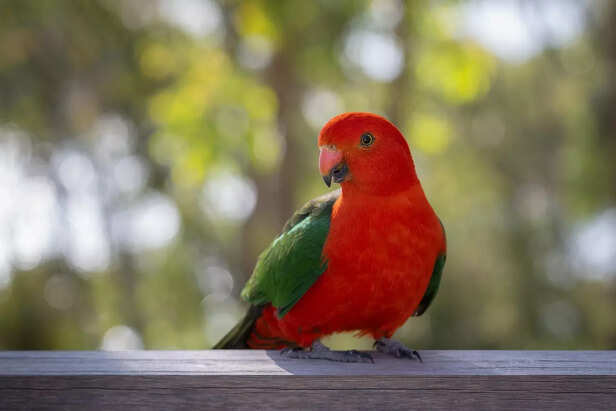
red parrot
Image credit : Freepik
Parrots are sensitive to their environment. Loud noises, frequent changes, shouting, new pets, or even rearranging furniture can trigger anxiety. Some parrots pluck their feathers when they feel unsafe or overstimulated. A stressful home environment can slowly push them into self-destructive behavior.
Changes like moving homes, losing a bonded human or bird companion, or being rehomed can deeply affect a parrot’s emotional stability.
Hormonal Changes Can Trigger Feather Plucking
Hormones play a major role in parrot behavior. During breeding seasons, parrots can become sexually frustrated, territorial, or aggressive. If hormonal energy has no healthy outlet, some parrots redirect it into feather plucking. This is often seen in parrots that receive excessive petting on sensitive areas like the back or wings, which can confuse them sexually. Artificial lighting and inconsistent sleep cycles can also disrupt hormones, increasing stress-related behaviors.
Poor Diet Can Damage Feathers And Mental Health
Nutrition has a direct impact on a parrot’s physical and emotional well-being. A diet based only on seeds lacks essential vitamins, minerals, and amino acids. Nutrient deficiencies, especially lack of vitamin A, calcium, and fatty acids, can weaken feathers and cause skin irritation. This makes parrots more likely to chew and pluck. A poor diet can also lead to low energy, irritability, and depression, all of which contribute to feather plucking.
Skin Irritation And Medical Problems Should Never Be Ignored
Not all feather plucking is emotional. Sometimes the cause is physical discomfort. Skin infections, fungal issues, mites, allergies, or dry skin can make parrots itchy and uncomfortable. Plucking becomes an attempt to relieve that discomfort. Internal medical conditions like liver disease, thyroid problems, or digestive disorders can also trigger abnormal behaviors. Pain that parrots cannot express verbally often shows up as feather destruction.
Past Trauma Leaves Deep Emotional Scars
Many parrots available as pets have experienced neglect, improper handling, or repeated rehoming. Trauma does not disappear just because the bird is now safe. Parrots remember fear. A bird that was once ignored, mishandled, or confined for long periods may develop feather plucking as a self-soothing habit. Even after moving to a loving home, the behavior may continue unless emotional healing is supported patiently.
Social Isolation Is Extremely Harmful For Parrots
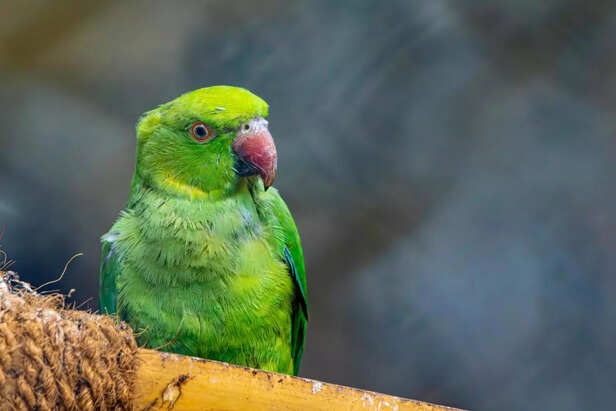
parrot sitting
Image credit : Pexels
Parrots are not solitary animals. They are wired for connection. Without regular social interaction, they suffer silently. A parrot that spends most of its time alone may pluck feathers out of emotional desperation. This is common in single-bird households where interaction is limited. Talking to your parrot, letting it observe daily activities, and allowing supervised out-of-cage time can make a huge difference.
Overdependence On One Human Can Backfire
Sometimes parrots pluck feathers because they are too emotionally attached to one person. When that person leaves, even for a few hours, the parrot experiences anxiety. This intense attachment can cause emotional instability. The bird does not know how to cope without constant reassurance. Balanced bonding, where parrots learn independence while feeling secure, is healthier in the long run.
The Role Of Environment And Cage Setup
A small cage restricts movement and increases stress. Lack of natural light, poor ventilation, or constant exposure to television noise can also disturb parrots. Parrots need space to stretch, climb, and explore. A dull environment slowly wears them down emotionally. Simple changes like rotating toys, providing natural branches, and placing the cage where the parrot can observe life can reduce stress significantly.
Why Feather Plucking Becomes An Addiction
Once feather plucking starts, it can become habitual. The act releases endorphins, making the parrot feel temporary relief. Even after the original cause is resolved, the behavior may continue. This is why early intervention is crucial. Stopping feather plucking requires patience, consistency, and understanding. Punishment or scolding only makes it worse.
How To Help A Feather-Plucking Parrot Heal
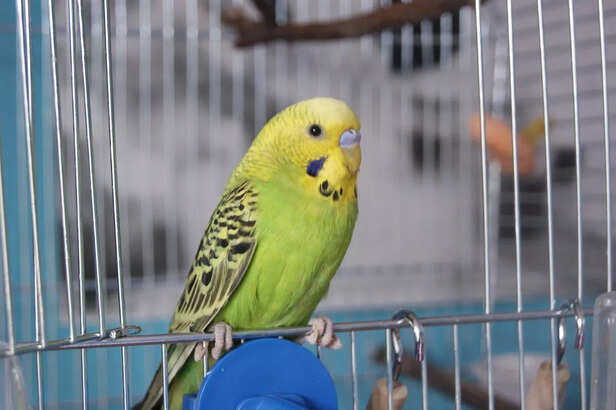
parrot
Image credit : Freepik
The first step is identifying the cause. A veterinarian visit is essential to rule out medical issues. Improving diet, increasing social interaction, and enriching the environment are key steps. Mental stimulation through toys, foraging activities, and training builds confidence. Establishing a predictable routine helps parrots feel secure. Regular sleep cycles and reduced stress triggers support emotional healing. Most importantly, parrots need empathy. Healing takes time. Progress may be slow, but trust grows gradually.
Why Love Alone Is Not Always Enough
Many pet parents love their parrots deeply, yet feather plucking still occurs. Love must be paired with understanding and informed care. Parrots need more than affection. They need stimulation, structure, respect for their instincts, and emotional security. Recognizing feather plucking as communication rather than misbehavior changes everything.
When To Seek Professional Help
If feather plucking becomes severe, consulting an avian vet or bird behavior specialist is important. Professional guidance can uncover hidden triggers and provide behavior modification strategies tailored to your parrot’s personality. Early help prevents long-term damage to feathers and skin.
What Your Parrot Wants You To Understand
When a parrot pulls out its own feathers, it is not being difficult. It is hurting. Behind every missing feather is a message waiting to be heard. With patience, awareness, and compassion, many parrots can recover and rediscover joy. Listening to your parrot’s silent language may be the most powerful act of love you ever offer.
Celebrate the bond with your pets, explore Health & Nutrition, discover Breeds, master Training Tips, Behavior Decoder, and set out on exciting Travel Tails with Times Pets!