
5 Animals People Call Useless But Aren’t
Noopur Kumari | May 21, 2026, 10:00 IST

Humans are quick to decide which animals are “cute
Image credit : Pexels
Many animals are labeled “useless” because humans judge them based on convenience, appearance, or emotional reactions. Creatures like mosquitoes, ticks, wasps, koalas, and pandas often seem unnecessary or harmful at first glance. But science reveals a different story. These animals contribute to pollination, food chains, forest health, nutrient cycling, and ecosystem stability. Some provide food for predators, while others quietly influence plant growth and environmental balance. This article explores why these misunderstood animals still matter and what their survival teaches humans about the hidden intelligence of nature itself.
Humans are quick to decide which animals are “cute,” “important,” or “useless.”We admire lions for their strength, dolphins for their intelligence, and butterflies for their beauty. But some creatures are treated completely differently. Mosquitoes are hated. Wasps are feared. Koalas are mocked for sleeping all day. And pandas are often called survival failures. But here is the shocking truth. Nature almost never creates a species without purpose. Even the most annoying, lazy, or misunderstood animals quietly shape ecosystems in ways most people never notice. Remove them completely, and entire food chains, forests, or natural balances could collapse faster than expected. Sometimes the creatures people hate the most are secretly holding nature together.
![Koala Resting on a Eucalyptus Tree]()
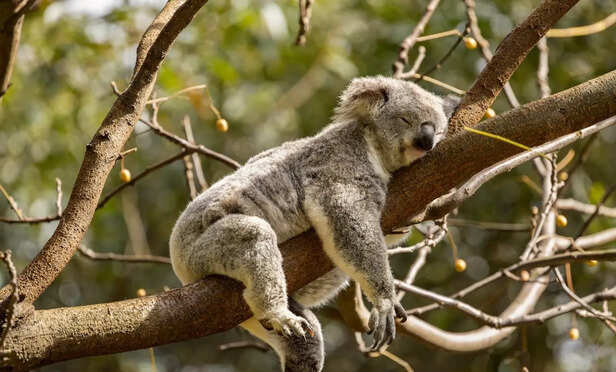
Koala are often mocked for sleeping nearly twenty hours a day and eating low-energy eucalyptus leaves. Many people see them as lazy creatures doing almost nothing useful. But their feeding habits actually influence forest growth patterns. By consuming eucalyptus leaves continuously, koalas help regulate tree density and nutrient movement within forests. Their droppings enrich the soil, supporting microorganisms and plant life below. Koalas also depend heavily on healthy forests, which indirectly encourages environmental conservation efforts. What appears to be laziness is actually part of a delicate ecological relationship quietly supporting entire woodland systems.
![Wasp Sitting on a Flower]()
Mosquito are probably among the most hated creatures on Earth because they spread deadly diseases and constantly irritate humans. Many people believe the world would improve instantly without them. But mosquitoes still serve important ecological roles. Their larvae provide food for fish and aquatic animals, while adult mosquitoes become meals for birds, bats, and amphibians. Some mosquito species even assist pollination by feeding on nectar. Scientists warn that removing entire mosquito populations suddenly could disrupt food chains in unpredictable ways. Nature rarely depends on a single purpose, and even dangerous creatures often support larger environmental systems quietly.
![Panda Eating Bamboo]()
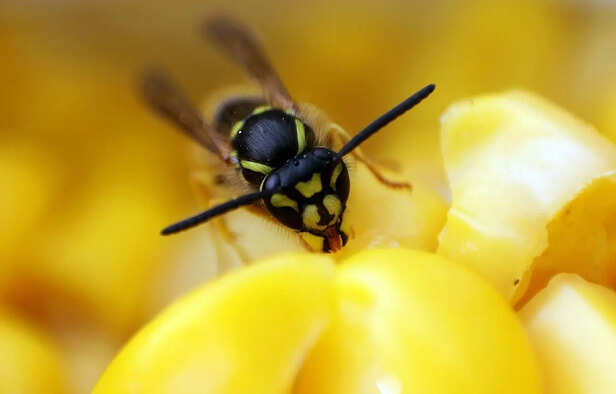
Wasp are feared for their painful stings and aggressive behavior near nests. Because of this, people often consider them dangerous pests without value. Yet wasps play a surprisingly important role in agriculture and ecosystems. Many species hunt insects that damage crops, naturally controlling pest populations without chemicals. Others help pollinate flowers while searching for nectar. Farmers and environmental scientists increasingly recognize wasps as important biological protectors inside natural food systems. Without them, crop damage from uncontrolled insects could rise dramatically. Sometimes the creatures humans fear most are quietly helping maintain balance behind the scenes.
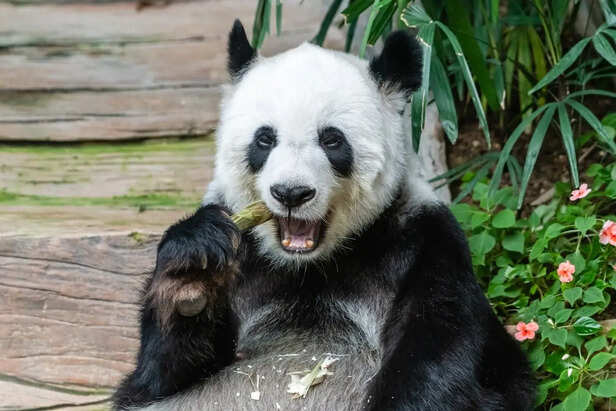
Giant Panda are often described as evolution’s biggest failure because they survive almost entirely on bamboo and reproduce very slowly. Critics argue that pandas seem poorly designed for long-term survival. But pandas have become global symbols for wildlife conservation. Protecting panda habitats also protects forests, rivers, and thousands of other species sharing the same ecosystem. In many ways, pandas help humans focus attention on environmental destruction happening quietly across the planet. Their survival story reminds people that protecting one species often means protecting entire ecosystems connected to it. Their importance extends far beyond their individual behavior.
Tick are among the most disliked creatures because they spread diseases and survive by feeding on blood. Their existence feels cruel and unnecessary to many people. However, ticks still influence ecosystems in hidden ways. They serve as food for birds, reptiles, and amphibians while also affecting animal movement and behavior in the wild. Scientists studying ecosystems note that even parasites shape population control and natural selection. Nature functions through interconnected systems where every species, even unpleasant ones, contributes somehow. The absence of one organism can sometimes trigger ecological changes nobody predicted beforehand.
Celebrate the bond with your pets, explore Health & Nutrition, discover Breeds, master Training Tips, Behavior Decoder, and set out on exciting Travel Tails with Times Pets!
The Lazy Animal That Quietly Protects Forests
Koala Resting on a Eucalyptus Tree
Image credit : Pexels
Koala are often mocked for sleeping nearly twenty hours a day and eating low-energy eucalyptus leaves. Many people see them as lazy creatures doing almost nothing useful. But their feeding habits actually influence forest growth patterns. By consuming eucalyptus leaves continuously, koalas help regulate tree density and nutrient movement within forests. Their droppings enrich the soil, supporting microorganisms and plant life below. Koalas also depend heavily on healthy forests, which indirectly encourages environmental conservation efforts. What appears to be laziness is actually part of a delicate ecological relationship quietly supporting entire woodland systems.
Why Even Mosquitoes Still Exist
Wasp Sitting on a Flower
Image credit : Pexels
Mosquito are probably among the most hated creatures on Earth because they spread deadly diseases and constantly irritate humans. Many people believe the world would improve instantly without them. But mosquitoes still serve important ecological roles. Their larvae provide food for fish and aquatic animals, while adult mosquitoes become meals for birds, bats, and amphibians. Some mosquito species even assist pollination by feeding on nectar. Scientists warn that removing entire mosquito populations suddenly could disrupt food chains in unpredictable ways. Nature rarely depends on a single purpose, and even dangerous creatures often support larger environmental systems quietly.
The Aggressive Insect That Farms Need
Panda Eating Bamboo
Image credit : Pexels
Wasp are feared for their painful stings and aggressive behavior near nests. Because of this, people often consider them dangerous pests without value. Yet wasps play a surprisingly important role in agriculture and ecosystems. Many species hunt insects that damage crops, naturally controlling pest populations without chemicals. Others help pollinate flowers while searching for nectar. Farmers and environmental scientists increasingly recognize wasps as important biological protectors inside natural food systems. Without them, crop damage from uncontrolled insects could rise dramatically. Sometimes the creatures humans fear most are quietly helping maintain balance behind the scenes.
The Animal People Call a Survival Failure
Why Nature Needs Uncomfortable Creatures
Celebrate the bond with your pets, explore Health & Nutrition, discover Breeds, master Training Tips, Behavior Decoder, and set out on exciting Travel Tails with Times Pets!