
The Most “Useless” Animals and Why Nature Needs Them
Kashish Pandey | Dec 28, 2025, 14:33 IST

cinereous vulture
Image credit : Pixabay
Have you ever looked at an animal and wondered what purpose it serves in the world? From slow moving sloths to creepy looking vultures, many creatures are often labelled as useless animals by humans. But nature does not create anything without reason. The most misunderstood animals on Earth and explains why even the so-called useless animals play a crucial role in maintaining ecological balance. By the end, you will realise that usefulness in nature is very different from usefulness to humans.
Useless animals, animals with no purpose, strange animals in nature, and misunderstood wildlife are phrases people often search online. Many creatures appear lazy, ugly, or unimportant when judged through a human lens. However, ecosystems depend on every species to survive. Even animals that seem useless contribute silently to soil health, disease control, food chains, and environmental stability. Understanding why nature needs these animals helps us respect biodiversity and protect fragile ecosystems.
The term useless animals is not scientific. It reflects human expectations. We value animals that provide food, labor, beauty, or companionship. Animals that do not offer these benefits are quickly dismissed as unnecessary. In nature, usefulness is measured by balance, not productivity.
An animal may appear useless because it is slow, feeds on waste, looks unattractive, or stays hidden most of the time. But removing even one species can disturb an entire ecosystem.
![sloth]() Sloths are often mocked for being lazy and slow. They sleep most of the day and move at a painfully slow pace. To humans, they look like animals that contribute nothing.
Sloths are often mocked for being lazy and slow. They sleep most of the day and move at a painfully slow pace. To humans, they look like animals that contribute nothing.
In reality, sloths play an important ecological role. Their fur hosts algae, insects, and fungi, creating a tiny ecosystem of its own. This algae helps camouflage sloths from predators. When sloths climb down to the forest floor, they fertilise trees with nutrients carried in their fur. Their slow digestion also helps regulate forest vegetation.
Without sloths, certain tropical forests would lose a unique nutrient cycle.
![vulture]() Vultures are often considered ugly and disgusting. They feed on dead animals, which makes people uncomfortable. Because of this, vultures are frequently listed among the most useless animals.
Vultures are often considered ugly and disgusting. They feed on dead animals, which makes people uncomfortable. Because of this, vultures are frequently listed among the most useless animals.
In truth, vultures are vital for preventing the spread of diseases. They consume carcasses quickly before harmful bacteria can multiply. Their strong stomach acids destroy pathogens like anthrax and rabies.
In places where vulture populations have declined, cases of disease have increased due to rotting animal remains. Nature needs vultures to keep environments clean and safe.
![earthworm]() Earthworms rarely receive appreciation. They live underground, have no visual appeal, and are often ignored. Many people consider them insignificant.
Earthworms rarely receive appreciation. They live underground, have no visual appeal, and are often ignored. Many people consider them insignificant.
Earthworms are essential for soil health. They break down organic matter, improve soil structure, and increase oxygen levels underground. Their movement helps water penetrate the soil more easily. Farmers rely heavily on earthworms for fertile land.
Without earthworms, agriculture would suffer, and plant growth would slow down dramatically
![bat]() Bats are often feared and misunderstood. They are associated with darkness, disease, and horror stories. Some people believe bats serve no positive purpose.
Bats are often feared and misunderstood. They are associated with darkness, disease, and horror stories. Some people believe bats serve no positive purpose.
Bats are incredibly important for pest control. A single bat can eat thousands of insects in one night. This helps farmers reduce crop damage naturally. Bats also pollinate plants and disperse seeds, especially in tropical regions.
Without bats, insect populations would explode, affecting food production and human health.
Discover expert advice and the latest tips on pet care, training, health, and more. Stay updated with all things pets at Times Pets!
Frequently Asked Questions[FAQs]
What Do We Mean by “Useless” Animals?
An animal may appear useless because it is slow, feeds on waste, looks unattractive, or stays hidden most of the time. But removing even one species can disturb an entire ecosystem.
Sloths: Slow but Essential
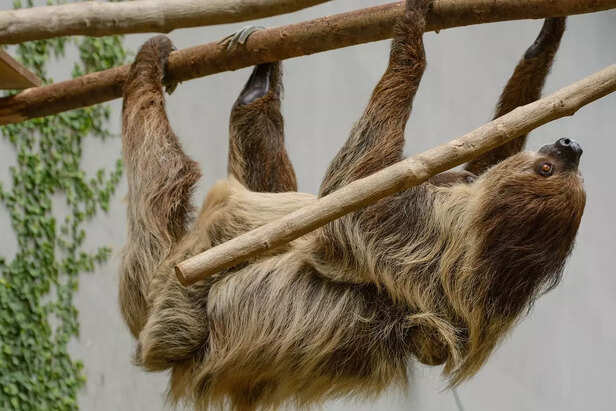
sloth
Image credit : Pixabay
In reality, sloths play an important ecological role. Their fur hosts algae, insects, and fungi, creating a tiny ecosystem of its own. This algae helps camouflage sloths from predators. When sloths climb down to the forest floor, they fertilise trees with nutrients carried in their fur. Their slow digestion also helps regulate forest vegetation.
Without sloths, certain tropical forests would lose a unique nutrient cycle.
Vultures: Nature’s Cleaners
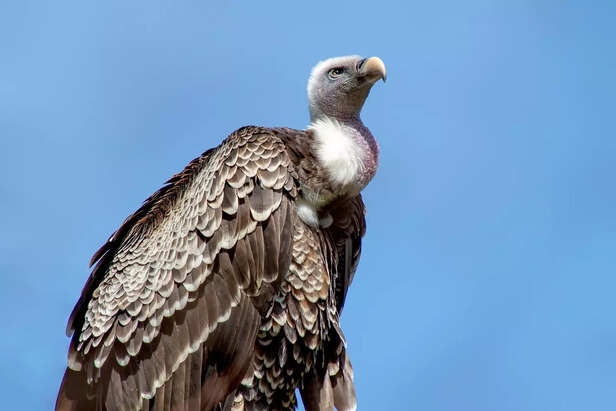
vulture
Image credit : Pixabay
In truth, vultures are vital for preventing the spread of diseases. They consume carcasses quickly before harmful bacteria can multiply. Their strong stomach acids destroy pathogens like anthrax and rabies.
In places where vulture populations have declined, cases of disease have increased due to rotting animal remains. Nature needs vultures to keep environments clean and safe.
Earthworms: Silent Workers of the Soil
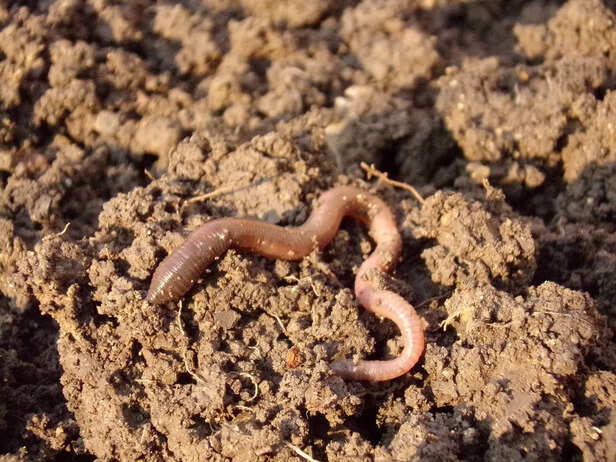
earthworm
Image credit : Pixabay
Earthworms are essential for soil health. They break down organic matter, improve soil structure, and increase oxygen levels underground. Their movement helps water penetrate the soil more easily. Farmers rely heavily on earthworms for fertile land.
Without earthworms, agriculture would suffer, and plant growth would slow down dramatically
Bats: Misunderstood Night Creatures
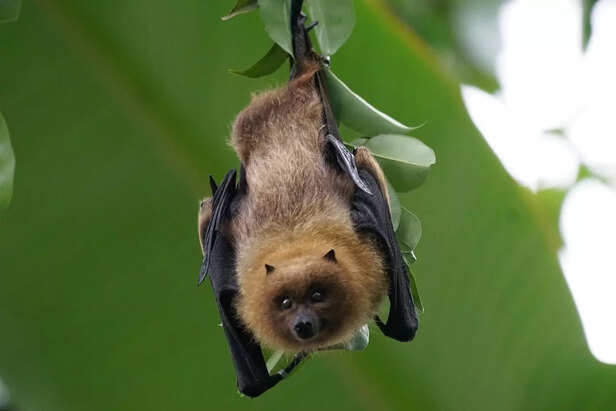
bat
Image credit : Pixabay
Bats are incredibly important for pest control. A single bat can eat thousands of insects in one night. This helps farmers reduce crop damage naturally. Bats also pollinate plants and disperse seeds, especially in tropical regions.
Without bats, insect populations would explode, affecting food production and human health.
Discover expert advice and the latest tips on pet care, training, health, and more. Stay updated with all things pets at Times Pets!
Frequently Asked Questions[FAQs]
- Are there really useless animals in the world?
No, there are no truly useless animals. Every species plays a role in maintaining ecological balance, even if that role is not obvious to humans. - Why do people think some animals are useless?
People often judge animals based on direct benefits like food, beauty, or economic value. Animals that do not meet these expectations are misunderstood. - How do so called useless animals help nature?
They help in soil enrichment, disease control, pest management, pollination, seed dispersal, and maintaining food chains. - What happens if these animals disappear?
The loss of even one species can disrupt ecosystems, leading to problems like disease spread, crop damage, and environmental imbalance.