
Soothing Sounds: How Music and Sound Affect Your Pet’s Relaxation
Anushka Tripathi | Mar 16, 2026, 15:30 IST

cat on a piano
Image credit : Pexels
Music and sound play a powerful role in helping pets relax and feel secure. Soothing melodies, gentle instrumental tunes, and nature sounds can reduce stress, calm anxiety, and improve sleep for dogs, cats, birds, and other pets. By creating a consistent auditory environment, pet parents can enhance emotional well-being, support aging pets, and reduce stress-related behaviors like barking or pacing. Integrating sound therapy into daily routines strengthens the bond between pets and their owners while creating a comforting, peaceful home environment. Every note becomes a moment of love and care for your furry companion.
Pets are highly sensitive to sound. Dogs, cats, birds, and other animals hear frequencies far beyond what humans can perceive. Everyday noises like traffic, vacuum cleaners, or construction can cause anxiety or stress, while soothing sounds can calm and comfort them. Understanding how pets respond to sound is essential for their emotional and physical well-being. By paying attention to their reactions, pet parents can create an environment that promotes relaxation, security, and happiness.
How Music Influences Pet Behavior
Music is more than a human luxury; it can profoundly influence a pet’s mood and behavior. Classical music, gentle piano tunes, and soft instrumental tracks have been shown to reduce stress and promote calmness in animals. In shelters and veterinary clinics, playing soothing music has helped pets lower heart rates and decrease anxiety. Pets often respond to rhythm, pitch, and tone, finding certain melodies comforting while harsh or abrupt sounds trigger tension. Choosing the right music is a key factor in helping pets feel safe and relaxed.
Calming Anxiety in Dogs
Dogs are particularly sensitive to sound-related stress. Thunderstorms, fireworks, and loud household appliances can trigger panic and destructive behavior. Music therapy is a natural way to ease these anxieties. Soft classical music or slow acoustic tunes can lower cortisol levels, reduce barking, and encourage resting behaviors. Playing music consistently during stressful events helps dogs associate sound with calmness, creating a sense of security. Over time, these auditory cues become comforting signals that your dog can rely on during tense situations.
Helping Cats Feel Secure

dog
Image credit : Pexels
Cats experience stress in response to sudden noises or unfamiliar sounds. They may hide, hiss, or pace when anxious. Gentle music, especially compositions with slower tempos and smooth melodies, can soothe nervous felines. The vibrations of certain instruments can also be inherently comforting to cats, mimicking natural environmental sounds they associate with safety. Creating a quiet, music-enhanced space allows cats to explore and rest without fear, promoting emotional stability and trust in their surroundings.
Music for Shelter Pets
Pets in shelters face significant stress due to unfamiliar environments, confinement, and social changes. Music therapy has been used effectively to reduce anxiety, promote calm behavior, and encourage adoption-ready social interactions. Playing classical music or soft instrumental tracks in kennels can lower heart rates, minimize pacing, and reduce vocal stress signals. The calming effect of music gives shelter pets a chance to rest and adjust, improving overall health and increasing their chances of being adopted into loving homes.
The Science Behind Sound and Stress Reduction
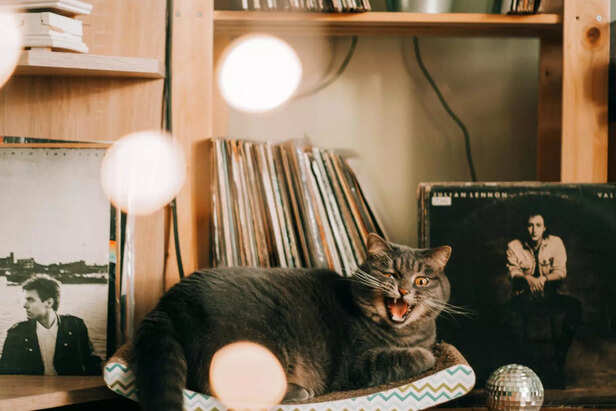
cat
Image credit : Pexels
Research shows that soothing sounds can lower cortisol levels, the hormone responsible for stress. In animals, this translates to reduced heart rate, calmer breathing, and more relaxed posture. Music with predictable rhythms and gentle melodies engages the brain, promoting a sense of safety and comfort. Conversely, loud, unpredictable, or high-pitched noises activate the sympathetic nervous system, triggering fight-or-flight responses. Understanding these effects allows pet owners to choose sounds strategically to improve well-being.
Creating a Calm Sound Environment at Home
A calm sound environment can transform your pet’s daily experience. Consider playing soft music during quiet hours or stressful situations like thunderstorms or visitors. White noise or nature sounds can mask disruptive background noise, creating a soothing atmosphere. Ensure the volume is moderate to avoid overstimulation. Consistent exposure to calming sounds teaches pets that they are safe and can relax in their environment. This simple step enhances comfort and fosters emotional resilience.
Incorporating Music into Daily Routines
Music can be integrated into feeding, playtime, and bedtime routines. Gentle tunes during meals can make dogs and cats more relaxed and improve digestion. Calm background music during play encourages focus and reduces overexcitement. At bedtime, soothing music signals rest and relaxation, helping pets sleep better. Over time, pets learn to associate certain sounds with comfort, creating a routine that supports their emotional health and strengthens their trust in their caregivers.
Special Considerations for Different Species

pet
Image credit : Pexels
Different pets respond uniquely to sound. Dogs generally enjoy classical, soft rock, and acoustic tunes. Cats prefer slower tempos and softer melodies. Birds may benefit from nature sounds and harmonious tunes, while small mammals like rabbits respond well to quiet, consistent auditory environments. Observing your pet’s reactions and adjusting music accordingly ensures that sound therapy is effective and enjoyable. Personalizing auditory experiences maximizes relaxation and emotional comfort for each individual pet.
Using Sound to Reduce Separation Anxiety
Separation anxiety is common in dogs and some cats. Music can provide a comforting presence when owners are away. Leaving soft classical music or nature sounds can mask outside noises and create a sense of security. Over time, pets learn that these sounds predict safety and companionship, even in the absence of their owners. This reduces stress behaviors such as excessive barking, meowing, or destructive activities and promotes emotional stability during times of solitude.
Combining Music With Other Relaxation Techniques
Music works best when paired with other calming strategies. Gentle pet massage, aromatherapy, and comfortable bedding enhance the effect of soothing sounds. Creating a multisensory relaxation space allows pets to feel secure and nurtured. For example, playing soft music while offering a cozy bed or a favorite chew toy can help pets unwind after play or stressful experiences. Combining these methods maximizes emotional and physical benefits, making relaxation more effective.
Recognizing Positive Responses
It is important to observe your pet’s response to music. Signs of relaxation include softening eyes, slower breathing, relaxed posture, reduced vocalization, and more peaceful sleep. Over time, pets may approach the source of music, indicating comfort and curiosity. If a pet seems agitated, try adjusting the genre, tempo, or volume. Each animal has unique preferences, and attentiveness ensures that sound therapy is a positive and enjoyable experience.
Music as Therapy for Aging Pets
Older pets often face stress, reduced mobility, and cognitive changes. Music can support emotional well-being and mental stimulation in senior dogs and cats. Gentle tunes can reduce confusion and anxiety, improve mood, and encourage interaction with caregivers. Music therapy, combined with regular routines and attention, helps aging pets maintain a sense of security and reduces stress-related behaviors. These practices enhance quality of life and create joyful, comforting moments for pets and owners alike.
Emotional Benefits for Pet Owners
Using music to relax pets also benefits owners. Watching a stressed pet calm down creates relief and joy. Shared relaxation moments strengthen the bond and provide a sense of fulfillment. Creating a calm, harmonious environment reduces tension in the household and improves overall emotional well-being for both pets and humans. Music becomes a tool for connection, care, and mutual comfort, reinforcing trust and deepening companionship.
Encouraging Adoption Through Sound Therapy
Shelters and foster homes can use music therapy to increase adoption rates. Calm and relaxed pets are more likely to interact positively with potential adopters. Music reduces stress behaviors that can deter adoption, making pets more approachable and confident. Incorporating sound therapy into shelter routines improves the emotional health of animals and helps them showcase their true personalities to prospective families.
Making Music a Daily Habit
Consistency is key for long-term benefits. Daily exposure to calming music enhances relaxation and emotional stability. Integrating music into everyday life creates a routine that pets recognize and trust. Whether during meals, playtime, or rest, music becomes a signal of safety and comfort. Over time, pets anticipate and enjoy these moments, making them a cherished part of daily life and a source of continuous emotional support.
Music and sound are powerful tools for improving your pet’s emotional and physical well-being. From reducing stress and anxiety to enhancing sleep and comfort, soothing sounds have a profound impact. By observing your pet, creating a calm auditory environment, and integrating music into daily routines, you provide emotional security and foster a deeper bond. Every note becomes a gesture of care, every melody a moment of love. Sound transforms a pet’s world into one of calm, comfort, and connection, enriching both their life and yours.
Celebrate the bond with your pets, explore Health & Nutrition, discover Breeds, master Training Tips, Behavior Decoder, and set out on exciting Travel Tails with Times Pets!