
Whiskers Wings Whirls Pets Reflect Us and Change Us
Trisha Chakraborty | TimesPets Bureau | Mar 26, 2026, 07:45 IST

Cat and Dog
Image credit : Unsplash
This article explores the emotional world of pets dogs, cats, birds, and fish and how their behaviors reflect not only their needs but also our moods and environments. It highlights the subtle ways animals communicate through movement, sound, and expression. By learning to read these signs, pet owners can build deeper, more compassionate bonds with their companions. From a dog’s wag to a cat’s blink, a bird’s song to a fish’s glide, each moment offers insight into the quiet language of love that pets use every day. Understanding this makes us not just better pet parents, but more empathetic humans.
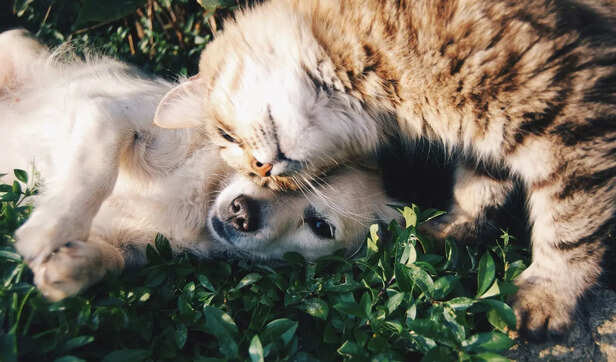
Cat and Dog
Image credit : Unsplash
They do not speak our language but they understand our silences. They do not judge our moods but they sense every shift. Whether curled at our feet or swimming across a tank, our pets are emotional companions who reflect back parts of ourselves. Their behavior is more than instinct or habit. It is an expression. It is intelligence. It is love. This article explores the quiet brilliance behind the way dogs, cats, birds and fish communicate. Not with words but with looks, patterns , movements and emotions. To truly love our pets is to learn their language.
Dogs emotional mirrors with fur and wagging tails
Dogs are known for their loyalty but their greatest gift may be their sensitivity. They read your body language more accurately than most humans. They notice if your footsteps are heavy if your sighs are frequent or if your voice carries tension. Tail wags are widely misunderstood. A fast wag with a relaxed posture signals joy. A stiff wag with a tense body might indicate anxiety or confusion. When dogs tilt their heads it is often curiosity but it can also be empathy they are trying to tune into your tone.
Zoomies or sudden bursts of energy are more than play. They release built-up stress or excitement. A dog digging the bed or circling before sleep is practicing instinctual comfort behavior making a “safe” space. When dogs whine or paw they are seeking comfort or expressing concern. Destructive behavior when left alone often reflects separation anxiety not disobedience. Dogs crave presence not punishment. Their behaviors are often shaped by yours. A loud home may create an alert restless dog. A peaceful space allows them to settle into your rhythm. And when you’re sad many dogs will simply lie down beside you quietly sharing your silence.

Dog
Image credit : Unsplash
Cats quiet companions with layered expressions
Cats may appear independent but their emotional world is anything but distant. They communicate with small precise movements and rituals. A raised tail when they greet you is a sign of affection and trust. A slow blink is their way of saying they feel safe with you. When a cat rubs its face on your leg or bumps its head against you it is marking you with its scent. This is not ownership but inclusion. You are part of their safe space. Purring is often interpreted as happiness but context matters. Cats purr when content but also when they are scared or in pain. It can be a self-soothing mechanism.
A change in the rhythm or volume of the purr may reveal what they’re truly feeling. Scratching furniture is not misbehavior. It is how cats mark territory, stretch muscles and release stress. Instead of scolding them, offering a healthy outlet like a scratching post is more effective and emotionally supportive. Cats can be selective in their affection. That does not mean they love less, they love mindfully. When a cat chooses your lap over a sunlit windowsill you are being chosen over solitude. That is not a small thing.

Cat
Image credit : Unsplash
Birds intelligent emotional creatures with wings and voices
A mentally stimulated bird will dance, mimic or explore its environment. One that is lonely may fall silent or become lethargic. They form strong attachments. Some birds grieve when a bonded human or bird is no longer around. Their memory is sharp. They recognize faces, voices, routines and even emotional patterns. They may grow anxious if you leave suddenly or become unusually quiet when you're upset. Allowing birds to perch near you during quiet activities can increase bonding. Talking to them regularly, especially in consistent tones, helps build trust. They do not just want food and water. They want interaction, connection and acknowledgment.
Fish silent swimmers with subtle emotional codes
Changes in tank conditions from temperature shifts to new tank mates can disrupt their behavior quickly. Aggression in community tanks such as fin nipping or territorial displays reflects stress or incompatibility. Observation and understanding each species’ needs are essential to creating harmony. Watching fish can also benefit humans. Studies show aquarium watching can lower blood pressure, reduce anxiety and enhance mood. Their peaceful movement is not just beautiful. It is therapeutic.
What pet behavior says about us
Children raised in pet-inclusive homes often develop higher empathy and emotional intelligence. Elderly individuals with pets tend to experience less loneliness and greater purpose. The connection works both ways. Petting a dog or cat lowers your cortisol levels. Hearing a bird sing or watching a fish swim can interrupt a cycle of stress. Their needs can pull us out of our own heads into a more present attentive state of being.

Cozy Moments with Pets
Image credit : Unsplash
Listening without words
We often miss these signals because we are not trained to see them. But once we begin observing patterns, understanding context and giving time we enter a new kind of relationship. One based not on training or command but on listening and respect. Your pet’s behavior is never random. It is always saying something. It might be as simple as I want to play or as deep as I miss you when you leave.
Conclusion
Your cat’s trust is your patience rewarded. Your bird’s chatter is your presence acknowledged. Your fish’s stillness or sudden swim is a response to your world. They do not speak like we do but they are always speaking. When we learn to listen not only do we understand them better we also become more aware of how our presence shapes others around us.
In the quiet moments in the head tilts and tail flicks in the chirps and ripples they are telling us we are not alone. We are loved. And we are seen.
Discover expert advice and the latest tips on pet care, training, health, and more. Stay updated with all things pets at Times Pets!
Frequently Asked Questions (FAQs)
- Can pets sense changes in human health before symptoms appear?
Yes, some pets, especially dogs, can detect illness-related changes in scent, posture, or behavior early on. - Do pets dream, and what does it mean?
Yes, pets like dogs and cats dream during sleep, often replaying emotional or active moments from their day. - How do pets react to grief or loss in the household?
Pets can grieve deeply, showing signs like lethargy, loss of appetite, or seeking more comfort from humans.