
From Camouflage to Playing Dead: Animals’ Shocking Survival Secrets
Kashish Pandey | Jan 05, 2026, 11:01 IST

chameleon
Image credit : Pixabay
Life in the wild is not calm or predictable. Every day, animals face the risk of being hunted, chased, or attacked. Yet they survive, generation after generation, using clever, sometimes unbelievable tactics. From blending into their surroundings to pretending to be dead, animals rely on instincts shaped by nature over millions of years. This humanized article explores these survival secrets in a relatable way, showing how animals think, react, and adapt to stay alive in a dangerous world.
Animal survival strategies, how animals escape predators, camouflage in animals, playing dead in the wild, animal defense mechanisms are topics that reveal how closely survival in nature mirrors struggle in human life. In the wild, there are no second chances. A single mistake can mean death. Animals cannot call for help or build shelters overnight. They depend entirely on their bodies, instincts, and learned behaviors. Some hide quietly, some run fast, some fight back, and others trick their enemies in surprising ways. These survival secrets make animals not just survivors, but quiet warriors of nature.
![chameleon]() Imagine needing to disappear just to stay alive. For many animals, camouflage is not a choice, it is a necessity.
Imagine needing to disappear just to stay alive. For many animals, camouflage is not a choice, it is a necessity.
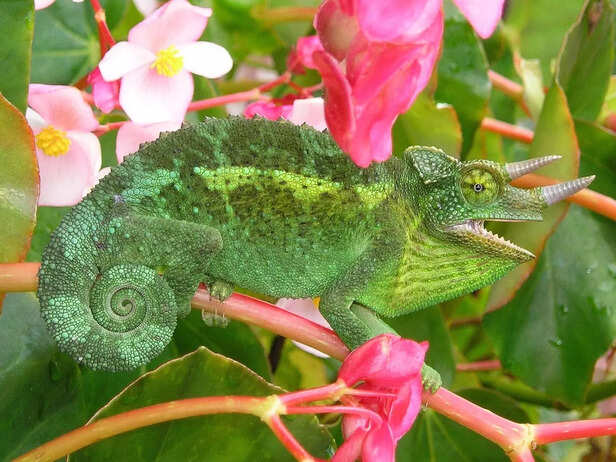
A chameleon slowly changes its skin color to match leaves and branches. It does not want attention. It wants safety. A tiger resting in tall grass becomes almost invisible because its stripes break its shape. Stick insects look so much like twigs that even humans struggle to notice them.
Camouflage works because predators are always watching. When an animal blends in perfectly, danger often walks right past without knowing it was there. It is survival through silence and patience.
![possum]() Playing dead may sound dramatic, but for some animals, it is a last hope. Opossums collapse when threatened. Their bodies go stiff, breathing slows, and they even release a foul smell. Predators often lose interest, assuming the animal is already dead or unsafe to eat. Insects and snakes also use this trick, lying motionless until danger passes.
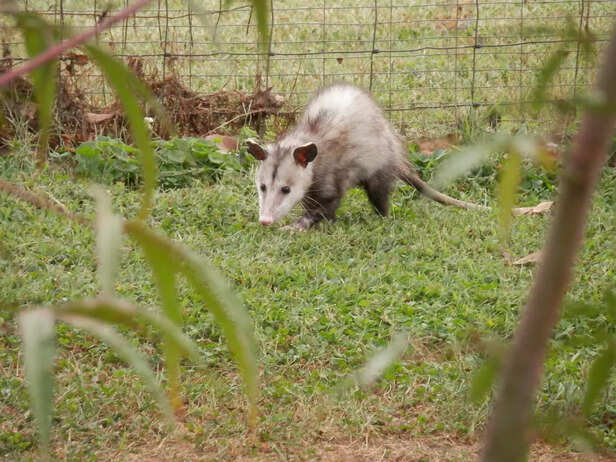
Playing dead may sound dramatic, but for some animals, it is a last hope. Opossums collapse when threatened. Their bodies go stiff, breathing slows, and they even release a foul smell. Predators often lose interest, assuming the animal is already dead or unsafe to eat. Insects and snakes also use this trick, lying motionless until danger passes.
This behavior feels almost emotional, like surrender. But it is actually a smart survival response that turns a predator’s instinct against itself.
![antelope]() Some animals survive simply by being faster than danger.
Some animals survive simply by being faster than danger.
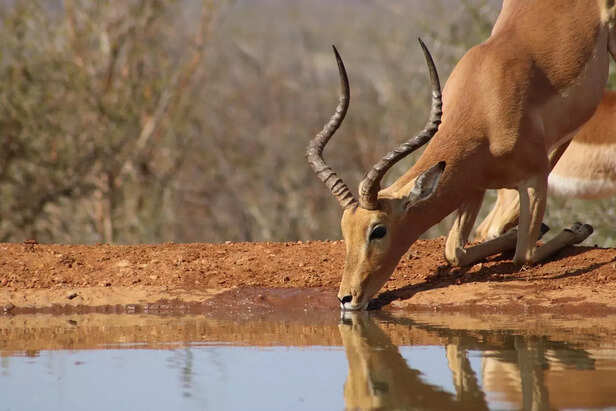
Deer sense movement quickly and run before a predator gets close. Antelopes leap and sprint with incredible power. Rabbits confuse predators by changing direction suddenly, making it hard to predict their path.
Speed is about timing and awareness. These animals live alert lives, always ready to move. One second of delay can be fatal.
![zebras]() Being alone in the wild can be dangerous. That is why many animals choose community.
Being alone in the wild can be dangerous. That is why many animals choose community.
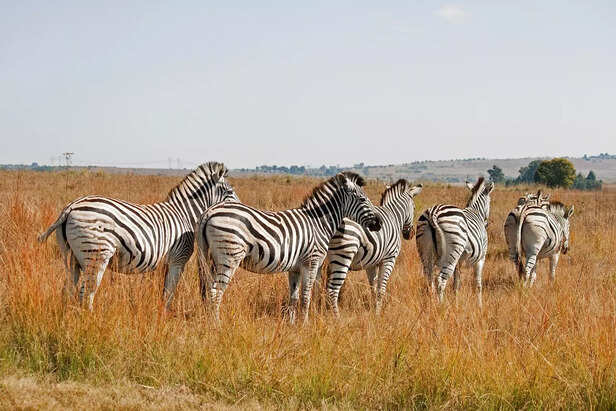
Zebras stay close together in herds. When a predator attacks, it struggles to focus on one individual. Birds fly in flocks, creating swirling patterns that confuse attackers. Meerkats stand guard while others eat, warning the group at the first sign of danger.
Just like humans feel safer in groups, animals rely on each other to survive.
![porcupine]() Some animals carry their protection on their bodies.
Some animals carry their protection on their bodies.
Turtles retreat into their shells, shutting the world out when danger comes. Porcupines raise their sharp quills, warning predators to keep their distance. Buffaloes and deer use horns and antlers to defend themselves or their young.
These defenses show confidence. They tell predators that an attack will not be easy or painless.
![butterfly]() Some animals survive because they are simply not worth eating. Poison dart frogs carry toxins on their skin. Monarch butterflies taste terrible because of chemicals they absorb from plants. Many predators learn this lesson once and never forget it.
Some animals survive because they are simply not worth eating. Poison dart frogs carry toxins on their skin. Monarch butterflies taste terrible because of chemicals they absorb from plants. Many predators learn this lesson once and never forget it.
These animals often display bright colors as a warning. They are not hiding. They are saying, stay away.
![starfish]() Sometimes survival comes at a cost.
Sometimes survival comes at a cost.
Lizards drop their tails when grabbed. The moving tail distracts the predator while the lizard escapes. The tail grows back later. Starfish lose arms and regenerate them over time.
It is a painful trade, but life is more valuable than a limb.
Some animals survive by learning and remembering.
Crows recognize predator faces and warn others. Dolphins protect injured group members. Primates use different sounds to signal different dangers.
These animals do not rely only on instinct. They learn from experience and teach others, making survival a shared knowledge.
From camouflage to playing dead, animals use remarkable and deeply human like survival strategies. They hide, run, protect family, trick enemies, and learn from experience. These shocking survival secrets remind us that life in the wild is a constant balance of fear and intelligence. Every strategy tells a story of adaptation and resilience. When we understand how animals survive, we begin to respect the quiet strength that keeps nature alive every single day.
Discover expert advice and the latest tips on pet care, training, health, and more. Stay updated with all things pets at Times Pets!
Frequently Asked Questions[FAQs]
Camouflage
chameleon
Image credit : Pixabay
A chameleon slowly changes its skin color to match leaves and branches. It does not want attention. It wants safety. A tiger resting in tall grass becomes almost invisible because its stripes break its shape. Stick insects look so much like twigs that even humans struggle to notice them.
Camouflage works because predators are always watching. When an animal blends in perfectly, danger often walks right past without knowing it was there. It is survival through silence and patience.
Playing Dead
possum
Image credit : Pixabay
This behavior feels almost emotional, like surrender. But it is actually a smart survival response that turns a predator’s instinct against itself.
Speed
antelope
Image credit : Pixabay
Deer sense movement quickly and run before a predator gets close. Antelopes leap and sprint with incredible power. Rabbits confuse predators by changing direction suddenly, making it hard to predict their path.
Speed is about timing and awareness. These animals live alert lives, always ready to move. One second of delay can be fatal.
Strength in Numbers
zebras
Image credit : Pixabay
Zebras stay close together in herds. When a predator attacks, it struggles to focus on one individual. Birds fly in flocks, creating swirling patterns that confuse attackers. Meerkats stand guard while others eat, warning the group at the first sign of danger.
Just like humans feel safer in groups, animals rely on each other to survive.
Armor and Natural Weapons
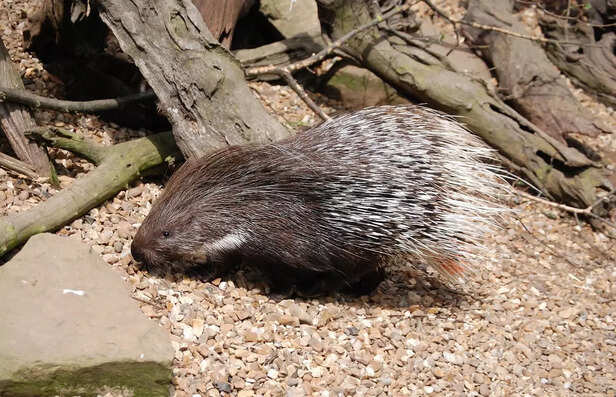
porcupine
Image credit : Pixabay
Turtles retreat into their shells, shutting the world out when danger comes. Porcupines raise their sharp quills, warning predators to keep their distance. Buffaloes and deer use horns and antlers to defend themselves or their young.
These defenses show confidence. They tell predators that an attack will not be easy or painless.
Poison and Bad Taste

butterfly
Image credit : Pixabay
These animals often display bright colors as a warning. They are not hiding. They are saying, stay away.
Sacrificing a Body Part to Live
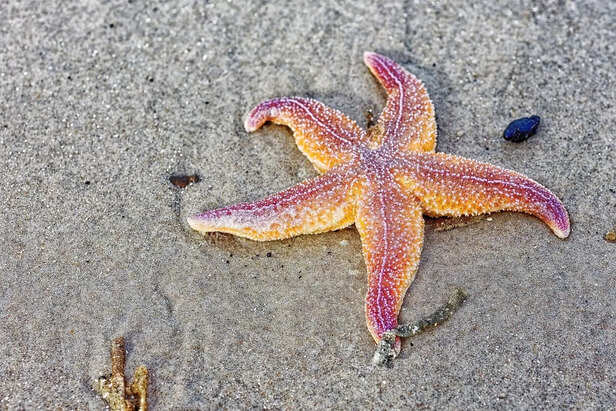
starfish
Image credit : Pixabay
Lizards drop their tails when grabbed. The moving tail distracts the predator while the lizard escapes. The tail grows back later. Starfish lose arms and regenerate them over time.
It is a painful trade, but life is more valuable than a limb.
Intelligence
Crows recognize predator faces and warn others. Dolphins protect injured group members. Primates use different sounds to signal different dangers.
These animals do not rely only on instinct. They learn from experience and teach others, making survival a shared knowledge.
From camouflage to playing dead, animals use remarkable and deeply human like survival strategies. They hide, run, protect family, trick enemies, and learn from experience. These shocking survival secrets remind us that life in the wild is a constant balance of fear and intelligence. Every strategy tells a story of adaptation and resilience. When we understand how animals survive, we begin to respect the quiet strength that keeps nature alive every single day.
Discover expert advice and the latest tips on pet care, training, health, and more. Stay updated with all things pets at Times Pets!
Frequently Asked Questions[FAQs]
- How do animals protect themselves from predators?
Animals use camouflage, speed, group living, defensive weapons, poison, mimicry, and intelligence to avoid or escape predators. - Why do some animals play dead?
Playing dead helps animals avoid attack because many predators lose interest in prey that appears lifeless or unsafe to eat. - What is camouflage in animals?
Camouflage is a survival technique where animals blend into their surroundings to avoid being seen by predators. - Are poisonous animals always dangerous to humans?
Not always. Many poisonous animals are only harmful if touched or eaten, and they use toxins mainly for defense.