
Ever Wondered Where Animals Disappear During Harsh Winters?
Jan 06, 2026, 13:01 IST

winter
As winter tightens its grip, the natural world seems to fall silent. Birds vanish, insects disappear, and even familiar forest animals are nowhere to be seen. But they are not gone. They are simply surviving in ways that are as clever as they are fascinating. This article gently uncovers where animals go during harsh winters and explains the real, often heartwarming strategies they use to stay alive until spring.
Animals that hide during winter, where animals go in winter, winter animal survival strategies, and hibernation in animals are questions many of us ask when the cold months arrive. As humans bundle up in warm clothes, animals rely on instinct and nature’s wisdom to survive freezing temperatures and food shortages. Some sleep deeply, some travel far away, and others quietly hide close to home. Their disappearance is not magic. It is survival written by nature itself.
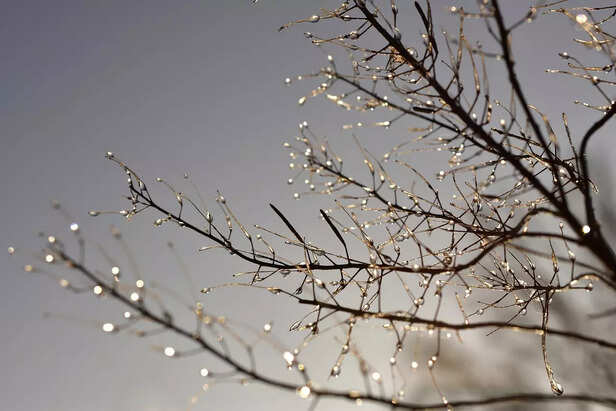
![waterdrop]() Winter is beautiful but unforgiving. Food becomes scarce, water freezes, and temperatures drop below what many animals can tolerate. Unlike humans, animals cannot turn on heaters or stock up groceries. Instead, they prepare long before winter arrives.
Winter is beautiful but unforgiving. Food becomes scarce, water freezes, and temperatures drop below what many animals can tolerate. Unlike humans, animals cannot turn on heaters or stock up groceries. Instead, they prepare long before winter arrives.
Animals hide during winter mainly to save energy. Staying active in freezing weather would burn too many calories, making survival impossible. Hiding allows them to slow life down, protect their bodies, and wait patiently for warmer days.
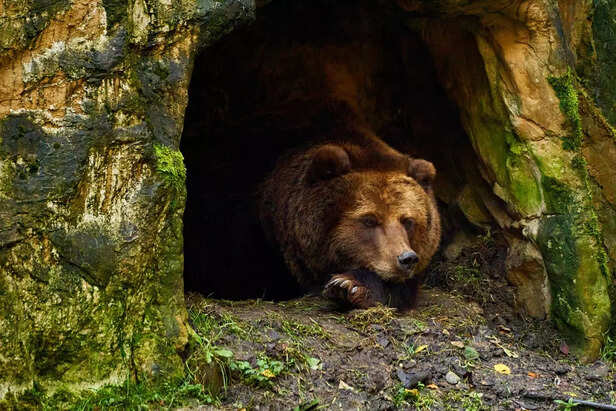
![bear]() Hibernation is one of the most powerful survival strategies in the animal kingdom. It is not just sleeping. It is a deep state of rest where the body slows almost everything down.
Hibernation is one of the most powerful survival strategies in the animal kingdom. It is not just sleeping. It is a deep state of rest where the body slows almost everything down.
Animals like bears, bats, hedgehogs, and ground squirrels hibernate to escape winter’s harshness. Their heart rate drops, breathing slows, and body temperature lowers. Bears can sleep for months without eating or drinking, surviving entirely on stored fat.
This long sleep is risky. If disturbed, animals may wake up and lose precious energy they cannot replace. That is why quiet forests and undisturbed habitats are essential during winter.
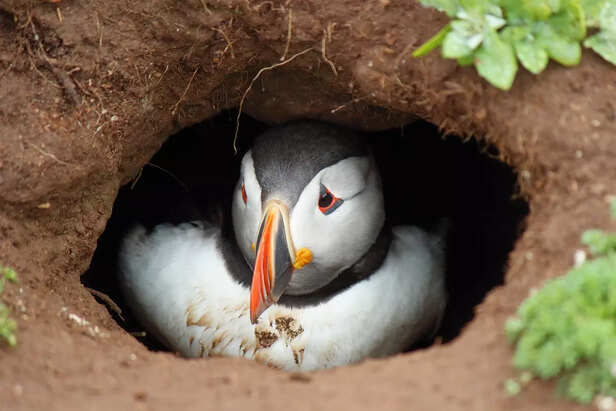
![burrow]() Some animals choose the safety of the ground. Underground, temperatures are more stable and protected from icy winds.
Some animals choose the safety of the ground. Underground, temperatures are more stable and protected from icy winds.
Frogs, snakes, turtles, mice, and chipmunks burrow into soil, mud, or leaf litter. Frogs are especially remarkable. Some species can survive even when parts of their bodies freeze. Their bodies produce natural antifreeze chemicals that protect vital organs.
Hidden below the surface, these animals wait patiently, barely moving, trusting nature to signal when it is safe to return.
![migration]()
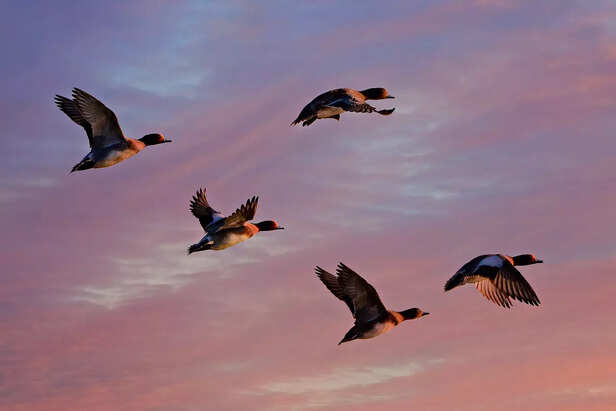
While some animals hide, others take a bold step and leave winter altogether.
Birds like swallows, geese, and cranes migrate thousands of kilometers to warmer places. Monarch butterflies travel astonishing distances to escape cold weather. Migration is exhausting and dangerous butbut staying would mean starvation.
These journeys are guided by instincts older than humanity itself. Using the sun, stars, and Earth’s magnetic field, animals navigate landscapes they have never seen before.
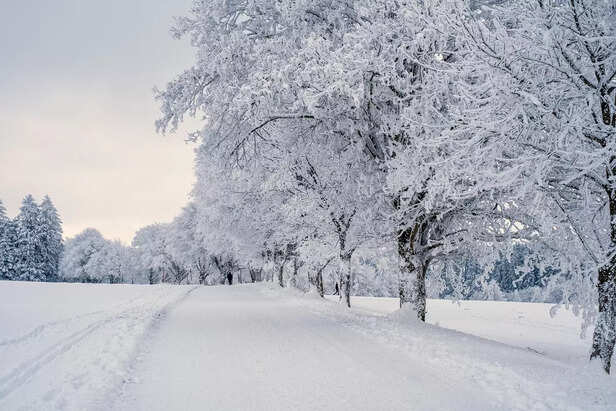
![snow]() In snowy regions, visibility can mean danger. Some animals respond by changing their appearance.
In snowy regions, visibility can mean danger. Some animals respond by changing their appearance.
The Arctic fox and snowshoe hare turn white during winter. This helps them blend into the snowy environment, making it harder for predators to spot them and easier for them to hunt.
This seasonal color change is one of nature’s most elegant survival tricks, reminding us how deeply animals are connected to their surroundings.
Insects seem to vanish completely, but most are still around in hidden forms.
Some insects lay eggs that survive cold temperatures. Others hide as larvae under tree bark or underground. A few produces special chemicals that prevent their bodies from freezin
Butterflies like monarchs migrate, while others patiently wait for spring in a form that is nearly invisible to us.
Human activity has made winter survival harder for animals. Deforestation removes natural shelters. Urban noise disturbs hibernating animals. Climate change confuses migration patterns and wake up cycles.
Even something as simple as disturbing a sleeping animal can be deadly. Protecting natural habitats and respecting wildlife space during winter makes a real difference.
Animals do not disappear during harsh winters. They adapt with patience, intelligence, and quiet resilience. Some sleep deeply, some travel far, and others hide just out of sight. Their survival stories remind us that winter is not an end but a pause, a time of waiting and trust in nature’s rhythm. When spring returns, so do they, carrying life forward once again.
Discover expert advice and the latest tips on pet care, training, health, and more. Stay updated with all things pets at Times Pets!
Frequently Asked Questions[FAQs]
When Winter Arrives, Survival Comes First
waterdrop
Image credit : Pixabay
Animals hide during winter mainly to save energy. Staying active in freezing weather would burn too many calories, making survival impossible. Hiding allows them to slow life down, protect their bodies, and wait patiently for warmer days.
Hibernation: Nature’s Pause Button
bear
Image credit : Pixabay
Animals like bears, bats, hedgehogs, and ground squirrels hibernate to escape winter’s harshness. Their heart rate drops, breathing slows, and body temperature lowers. Bears can sleep for months without eating or drinking, surviving entirely on stored fat.
This long sleep is risky. If disturbed, animals may wake up and lose precious energy they cannot replace. That is why quiet forests and undisturbed habitats are essential during winter.
Hiding Beneath the Earth
burrow
Image credit : Pixabay
Frogs, snakes, turtles, mice, and chipmunks burrow into soil, mud, or leaf litter. Frogs are especially remarkable. Some species can survive even when parts of their bodies freeze. Their bodies produce natural antifreeze chemicals that protect vital organs.
Hidden below the surface, these animals wait patiently, barely moving, trusting nature to signal when it is safe to return.
Leaving Winter Behind Through Migration
migration
Image credit : Pixabay
While some animals hide, others take a bold step and leave winter altogether.
Birds like swallows, geese, and cranes migrate thousands of kilometers to warmer places. Monarch butterflies travel astonishing distances to escape cold weather. Migration is exhausting and dangerous butbut staying would mean starvation.
These journeys are guided by instincts older than humanity itself. Using the sun, stars, and Earth’s magnetic field, animals navigate landscapes they have never seen before.
Blending Into the Snow
snow
Image credit : Pixabay
The Arctic fox and snowshoe hare turn white during winter. This helps them blend into the snowy environment, making it harder for predators to spot them and easier for them to hunt.
This seasonal color change is one of nature’s most elegant survival tricks, reminding us how deeply animals are connected to their surroundings.
Where Do Insects Go in Winter?
Some insects lay eggs that survive cold temperatures. Others hide as larvae under tree bark or underground. A few produces special chemicals that prevent their bodies from freezin
Butterflies like monarchs migrate, while others patiently wait for spring in a form that is nearly invisible to us.
How Humans Affect Winter Survival
Even something as simple as disturbing a sleeping animal can be deadly. Protecting natural habitats and respecting wildlife space during winter makes a real difference.
Animals do not disappear during harsh winters. They adapt with patience, intelligence, and quiet resilience. Some sleep deeply, some travel far, and others hide just out of sight. Their survival stories remind us that winter is not an end but a pause, a time of waiting and trust in nature’s rhythm. When spring returns, so do they, carrying life forward once again.
Discover expert advice and the latest tips on pet care, training, health, and more. Stay updated with all things pets at Times Pets!
Frequently Asked Questions[FAQs]
- Why do animals hide during winter?
To conserve energy, avoid freezing temperatures, and survive when food is scarce. - Do all animals hibernate?
No. Some migrate, some stay active, and others hide without entering deep sleep. - Is hibernation dangerous for animals?
Yes. If disturbed, animals may lose vital energy needed to survive winter - How do animals know winter is coming?
They respond to changes in daylight, temperature, and food availability.