
Why Puppies Cry in Their Crate
Sonam Singh | Feb 25, 2026, 15:36 IST

Why Puppies Cry in Their Crate
Image credit : Freepik
Puppies cry in their crate due to separation anxiety, physical needs like hunger or potty breaks, discomfort, unfamiliarity, boredom, or health issues such as pain or teething. Proper crate training involves gradual introduction, positive reinforcement, and addressing root causes to help them feel secure. With patience, most puppies adapt within days to weeks, leading to better sleep and house training.
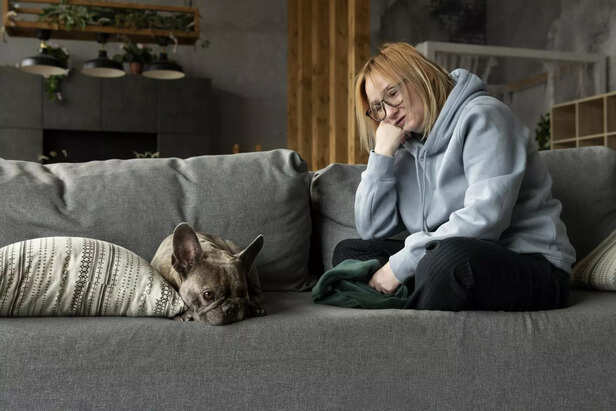
Bringing home a fluffy new puppy is pure joy, but those heart-wrenching cries from the crate at night can quickly turn excitement into exhaustion. Whether it's bedtime whines or daytime fussing, puppy crying in the crate is one of the most common challenges for new dog owners. This happens because young pups, separated from their littermates for the first time, instinctively seek comfort and security they view the crate as isolation rather than a safe den.
Reasons Puppies Cry
Separation Anxiety and Loneliness
dog care
Image credit : Freepik
Needing to Potty or Physical Discomfort
pooping dog
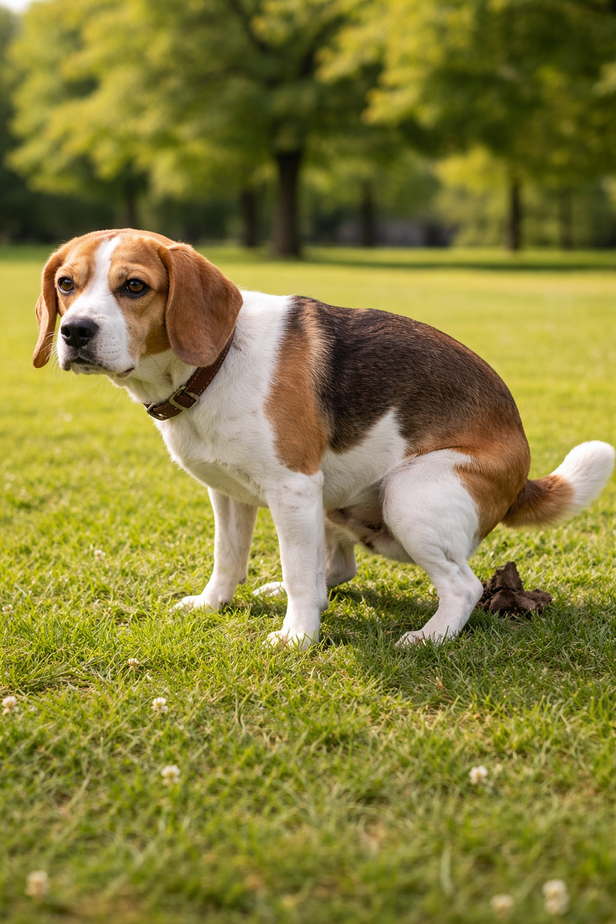
Puppies have tiny bladders holding just 1 to 2 hours' worth of urine, so if crated right after play or meals without a bathroom break, they'll cry urgently to signal elimination needs. Bowel movements follow a similar pattern, often every 30 to 60 minutes in 8 week olds. Ignoring this leads to accidents, reinforcing fear of the crate as a trapped space. Other discomforts amplify cries: an oversized crate feels drafty and insecure while thin bedding or extreme temperatures cause shivering or overheating. Hunger or thirst hits hard too pups need 3 to 4 meals daily, and low blood sugar prompts pitiful yelps. Teething pain around 3 to 6 months adds gum soreness, making them extra vocal.
Fear of the Unknown or Boredom
dog getting bored
Image credit : CHATGPT(AI)
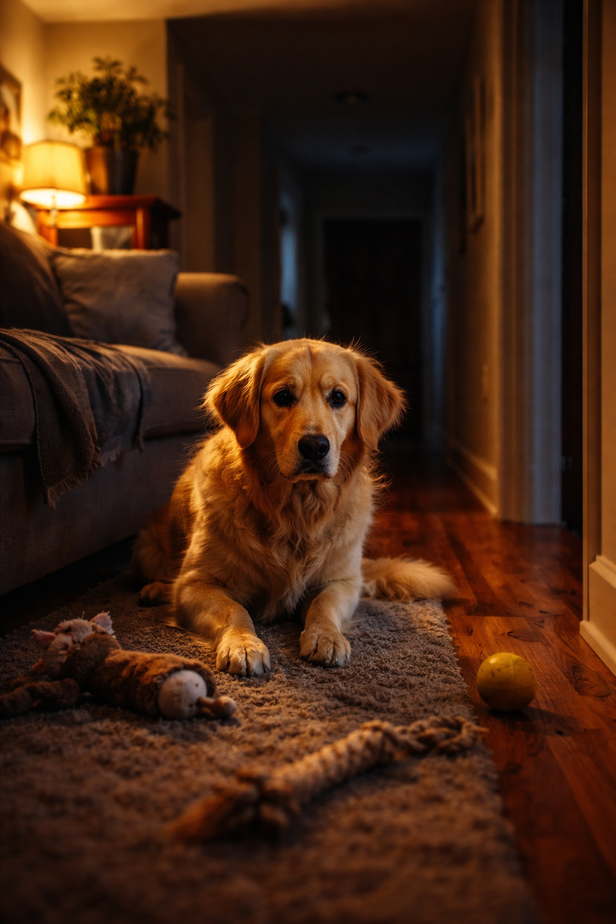
A brand new crate is scary metal bars, confined space, and restricted movement mimic a trap to an unexplored pup. If not introduced gradually with treats and play, they associate it with punishment rather than positivity. Boredom strikes energetic breeds like Labs or Huskies; without pre crate exercise pent up energy turns into restless howling.Environmental factors worsen it: loud household noises, bright lights, or isolation in a dark room heighten fear. Overly tired pups, like human toddlers, paradoxically cry more from exhaustion, unable to wind down without routine.
Health Issues or Attention Seeking

unhealthy dog