Most pets eat less on the first day of a trip, and most bounce back once they settle. That pattern is real, it has a clear physiological explanation, and knowing it saves a lot of unnecessary panic. It also has limits, and knowing those limits is the more useful thing to carry on any journey with an animal.
What travel does to a pet's body
![Cat in Carrier Bag]()
Cat in Carrier Bag
Image credit : AI
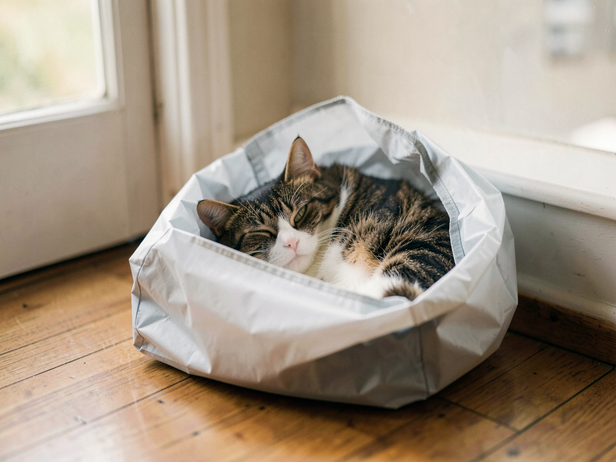
A calm cat observes its surroundings from an open carrier bag. This scene might resonate with pet owners concerned about their cat refuses food during travel.
When a dog or cat is moved out of its home environment, the brain reads the change as a low-grade threat. The hypothalamus triggers a mild stress response: cortisol rises, the sympathetic nervous system activates, and digestion slows. Blood flow shifts away from the gut and toward the muscles and heart, the body's way of preparing for something it doesn't yet understand. Appetite is one of the first things to go in this state. The animal isn't being fussy. Its own chemistry is telling it this is not the moment to eat.
Cats tend to feel this more acutely than dogs. A cat's home range is its entire world, and being removed from it, even into a carrier, is a significant sensory disruption. Dogs are generally more adaptable to movement, particularly if they have travelled before, but a first trip or a long one can produce the same suppressed appetite.
Motion sickness is a separate problem
Stress and motion sickness can look identical from the outside, a pet that won't eat, seems withdrawn, or is restless in the car. But the mechanism is different. Motion sickness happens when the inner ear sends signals that conflict with what the eyes see, particularly in the back seat of a moving vehicle where there is no visual horizon. The result is nausea, and nausea kills appetite for hours after the journey ends, not just during it.
Signs that point more toward motion sickness than stress alone: excessive drooling or lip-licking before the animal has even been in the car long, yawning repeatedly, vomiting during or shortly after the journey, and refusing food well into the evening after arrival. A pet that was fine on short drives but struggles on a four-hour one is likely dealing with motion sickness rather than anxiety. The two can overlap, and often do.
What you can reasonably do
![Kibble in Shadowed Bowl]()
Kibble in Shadowed Bowl
Image credit : AI
A stainless steel bowl, half-full of kibble, sits in soft light and deep shadow. Consider pet motion sickness symptoms if appetite changes.
Feed a small meal two to three hours before departure rather than right before. An empty stomach is not better, it increases nausea in motion-sick animals, but a full one is worse. Small and early is the practical middle ground.
At the destination, give the animal time before offering food. Put the bowl down, walk away, and don't hover. A pet that senses its owner's anxiety about whether it will eat is less likely to eat. If it skips one meal and seems otherwise calm, resting, sniffing around, not hiding, that is almost always fine. Offer again in a few hours.
Keep the food familiar. Switching to a new brand or flavour on a trip, even one the animal might like at home, adds a variable that can extend the refusal. The bowl, the food, and the feeding time should be as close to normal as the trip allows.
When skipping a meal becomes a warning sign
A healthy adult dog or cat can go twenty-four hours without eating without harm, provided it is drinking water. The line between normal travel disruption and something worth worrying about runs roughly here: if the animal has not eaten for more than twenty-four hours after arrival, is also not drinking, or is showing any other change, vomiting more than once, loose stool, lethargy that doesn't lift, hiding and refusing to move, those signs together warrant a call to a vet, not another wait-and-see meal.
A blocked male cat is a specific emergency that has nothing to do with travel stress but can be mistaken for it: straining without producing urine, crying, licking at the abdomen. If you see this, reach a vet immediately. Travel does not cause a blockage, but the stress of travel can worsen an underlying condition that was already developing.
Puppies, kittens, elderly pets, and animals with existing health conditions have less physiological reserve. A skipped meal that is unremarkable in a healthy three-year-old dog is worth acting on sooner in a puppy under four months or a senior animal already managing a condition. When in doubt, call the vet and describe what you are seeing. That call costs nothing and is always the right move when you are not sure.
The trip that keeps going
Some pets travel regularly, with families that move, with owners who work across cities, with people who simply bring their animals everywhere. These pets tend to adapt over multiple trips, and appetite disruption shortens with experience. A dog on its fifth road trip usually eats normally by the second morning. A cat may take longer, but even cats that were severely disrupted on a first journey often settle into a shorter adjustment window by the third or fourth.
The adaptation is real, and it is worth building gradually if travel is going to be a regular part of your pet's life. Short trips before long ones, familiar smells in the carrier, the same food and bowl every time, these reduce the size of the stress response each time, and appetite follows.
An animal that refuses food on every trip, vomits consistently, or shows signs of severe distress regardless of how many trips it has taken is telling you something the adaptation logic cannot explain. That animal deserves a conversation with a vet about whether travel is genuinely manageable for it, and what options exist.