
Why Some Pets Love Travel While Others Fear It
Payal Tandon | Apr 21, 2026, 14:38 IST

Travel with Pet (Image Credit:Freepik)
Some pets get excited the moment they sense a trip, while others become anxious and uncomfortable. This article explores why pets react so differently to travel. It explains how personality, past experiences, species differences, and environment all play a role. You will also learn how to recognize stress signs and how to make travel a better experience for your pet.
Traveling with pets can be a joyful experience for some owners, but it can also be challenging. You may have seen dogs happily jumping into cars, ready for a ride. At the same time, you might notice cats hiding under furniture or small pets becoming quiet and tense when travel begins.
This difference in behaviour is not random. Every pet has its own personality, instincts, and comfort level with change. While some animals adapt quickly to new environments, others find it stressful and overwhelming.
Understanding why some pets love travel while others fear it can help you care for them better. It also helps you prepare in a way that keeps your pet safe and comfortable.
Travel is not just about reaching a destination. For pets, it is a complete change in their environment, routine, and sense of safety. Let us explore the reasons behind these different reactions.
Just like humans, pets have different personalities. Some are naturally curious and adventurous, while others are more cautious and sensitive.
Pets that are exposed to travel at a young age are more likely to enjoy it. They learn that travel is safe and may even connect it with positive experiences like walks or new places.
On the other hand, pets that have not travelled much may feel unsure. If their first experience is stressful, they may develop a fear of travel.
Past experiences play a big role. A pet that has had a smooth and calm journey is more likely to feel relaxed in future trips. But if a pet has faced loud noises, discomfort, or sudden movements during travel, it may become anxious.
This is why gradual exposure and positive reinforcement are important when introducing pets to travel.
![Pet in Car (Image Credit:Freepik)]()
Not all animals respond to travel in the same way. Dogs, cats, and small pets like rabbits or hamsters have different instincts and needs.
Dogs are generally more adaptable. They often enjoy being with their owners and may see travel as an exciting activity. Their social nature helps them adjust to new environments more easily.
Cats, however, are more attached to their surroundings than to movement. They prefer familiar spaces and routines. Travel takes them out of their comfort zone, which can lead to stress.
Small pets are even more sensitive. Animals like rabbits and hamsters are prey animals. They are naturally cautious and easily frightened. Travel can feel like a threat because of the unfamiliar sounds and movements.
Understanding these differences helps you plan travel according to your pet’s needs.
Pets feel safe when their daily routine is stable. They are used to specific feeding times, sleeping areas, and surroundings. Travel disrupts all of this.
When a pet is taken out of its usual environment, it may feel confused. Familiar smells, sounds, and spaces are replaced by something new. This can make them uneasy.
Pets that rely heavily on routine may struggle more with travel. Even small changes can affect their mood and behavior.
Providing familiar items during travel can help. Things like their bedding, toys, or even a piece of cloth with a familiar smell can create a sense of comfort.
Maintaining parts of their routine, like feeding at the same time, can also reduce stress.
![Dog Drinking (Image Credit:Freepik)]()
Travel introduces many new experiences that pets are not used to. The sound of traffic, vibrations of a vehicle, and changing surroundings can be overwhelming.
Some pets are sensitive to noise. Loud sounds can make them feel unsafe. Motion is another factor. The movement of a car or other vehicle can feel strange and uncomfortable.
New environments can also trigger anxiety. Pets may not understand where they are or what is happening. This lack of control can lead to fear.
Pets that enjoy travel are usually those that have adapted to these changes. They learn to associate travel with positive experiences.
For others, these factors remain stressful, especially if they are not used to them.
It is important to understand how your pet reacts during travel. Signs of stress can vary depending on the animal.
Some pets may become very quiet and still. Others may show restlessness by moving around or trying to escape. Excessive panting, vocal sounds, or refusal to eat can also indicate discomfort.
In some cases, pets may show changes in body posture or behaviour that signal fear. Paying attention to these signs helps you respond quickly.
Ignoring stress can affect your pet’s health. Long periods of anxiety can lead to physical and emotional issues.
Understanding these signs allows you to make adjustments and improve their travel experience.
![Making Travel Easy For Pet (Image Credit:Freepik)]()
While not all pets will love travel, there are ways to make it more comfortable for them.
Start by introducing travel slowly. Short trips can help your pet get used to the experience. Gradual exposure reduces fear over time.
Using a safe and comfortable carrier is important. It should provide enough space while also making your pet feel secure.
Keeping the environment calm can also help. Avoid loud noises and sudden movements during travel.
Familiar items can provide comfort. Bringing their favourite toy or bedding can make a big difference.
It is also important to stay calm yourself. Pets can sense your emotions, so a relaxed approach can help them feel more at ease.
Pets react to travel in different ways because of their personality, past experiences, and natural instincts. While some enjoy the excitement, others find it stressful and confusing.
Understanding these differences is the key to better care. By recognizing what your pet needs and how it feels, you can make travel safer and more comfortable.
Travel does not have to be a negative experience. With patience, preparation, and the right approach, even anxious pets can learn to handle it better.
Every pet is unique, and respecting their comfort level is the most important step. When you do this, you create a travel experience that works for both you and your pet.
Celebrate the bond with your pets, explore Health & Nutrition, discover Breeds, master Training Tips, Behavior Decoder, and set out on exciting Travel Tails with Times Pets!
This difference in behaviour is not random. Every pet has its own personality, instincts, and comfort level with change. While some animals adapt quickly to new environments, others find it stressful and overwhelming.
Understanding why some pets love travel while others fear it can help you care for them better. It also helps you prepare in a way that keeps your pet safe and comfortable.
Travel is not just about reaching a destination. For pets, it is a complete change in their environment, routine, and sense of safety. Let us explore the reasons behind these different reactions.
Personality and Early Experiences Matter
Just like humans, pets have different personalities. Some are naturally curious and adventurous, while others are more cautious and sensitive.
Pets that are exposed to travel at a young age are more likely to enjoy it. They learn that travel is safe and may even connect it with positive experiences like walks or new places.
On the other hand, pets that have not travelled much may feel unsure. If their first experience is stressful, they may develop a fear of travel.
Past experiences play a big role. A pet that has had a smooth and calm journey is more likely to feel relaxed in future trips. But if a pet has faced loud noises, discomfort, or sudden movements during travel, it may become anxious.
This is why gradual exposure and positive reinforcement are important when introducing pets to travel.
Different Species React Differently
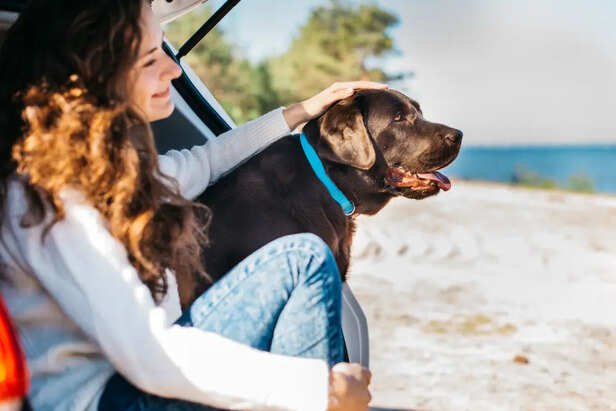
Pet in Car (Image Credit:Freepik)
Not all animals respond to travel in the same way. Dogs, cats, and small pets like rabbits or hamsters have different instincts and needs.
Dogs are generally more adaptable. They often enjoy being with their owners and may see travel as an exciting activity. Their social nature helps them adjust to new environments more easily.
Cats, however, are more attached to their surroundings than to movement. They prefer familiar spaces and routines. Travel takes them out of their comfort zone, which can lead to stress.
Small pets are even more sensitive. Animals like rabbits and hamsters are prey animals. They are naturally cautious and easily frightened. Travel can feel like a threat because of the unfamiliar sounds and movements.
Understanding these differences helps you plan travel according to your pet’s needs.
The Role of Routine and Familiarity
Pets feel safe when their daily routine is stable. They are used to specific feeding times, sleeping areas, and surroundings. Travel disrupts all of this.
When a pet is taken out of its usual environment, it may feel confused. Familiar smells, sounds, and spaces are replaced by something new. This can make them uneasy.
Pets that rely heavily on routine may struggle more with travel. Even small changes can affect their mood and behavior.
Providing familiar items during travel can help. Things like their bedding, toys, or even a piece of cloth with a familiar smell can create a sense of comfort.
Maintaining parts of their routine, like feeding at the same time, can also reduce stress.
Fear of Noise, Motion, and New Environments
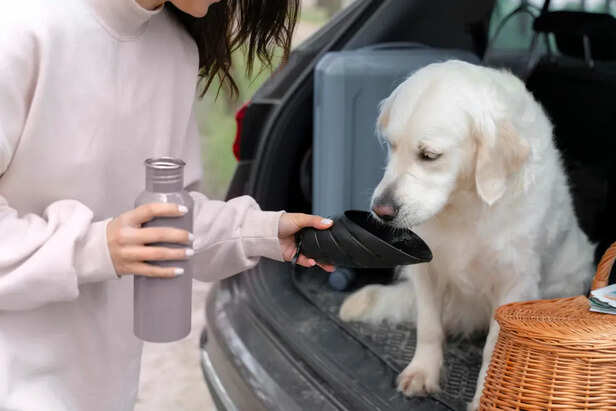
Dog Drinking (Image Credit:Freepik)
Travel introduces many new experiences that pets are not used to. The sound of traffic, vibrations of a vehicle, and changing surroundings can be overwhelming.
Some pets are sensitive to noise. Loud sounds can make them feel unsafe. Motion is another factor. The movement of a car or other vehicle can feel strange and uncomfortable.
New environments can also trigger anxiety. Pets may not understand where they are or what is happening. This lack of control can lead to fear.
Pets that enjoy travel are usually those that have adapted to these changes. They learn to associate travel with positive experiences.
For others, these factors remain stressful, especially if they are not used to them.
Recognizing Signs of Stress During Travel
It is important to understand how your pet reacts during travel. Signs of stress can vary depending on the animal.
Some pets may become very quiet and still. Others may show restlessness by moving around or trying to escape. Excessive panting, vocal sounds, or refusal to eat can also indicate discomfort.
In some cases, pets may show changes in body posture or behaviour that signal fear. Paying attention to these signs helps you respond quickly.
Ignoring stress can affect your pet’s health. Long periods of anxiety can lead to physical and emotional issues.
Understanding these signs allows you to make adjustments and improve their travel experience.
How to Make Travel Easier for Your Pet

Making Travel Easy For Pet (Image Credit:Freepik)
While not all pets will love travel, there are ways to make it more comfortable for them.
Start by introducing travel slowly. Short trips can help your pet get used to the experience. Gradual exposure reduces fear over time.
Using a safe and comfortable carrier is important. It should provide enough space while also making your pet feel secure.
Keeping the environment calm can also help. Avoid loud noises and sudden movements during travel.
Familiar items can provide comfort. Bringing their favourite toy or bedding can make a big difference.
It is also important to stay calm yourself. Pets can sense your emotions, so a relaxed approach can help them feel more at ease.
Pets react to travel in different ways because of their personality, past experiences, and natural instincts. While some enjoy the excitement, others find it stressful and confusing.
Understanding these differences is the key to better care. By recognizing what your pet needs and how it feels, you can make travel safer and more comfortable.
Travel does not have to be a negative experience. With patience, preparation, and the right approach, even anxious pets can learn to handle it better.
Every pet is unique, and respecting their comfort level is the most important step. When you do this, you create a travel experience that works for both you and your pet.
Celebrate the bond with your pets, explore Health & Nutrition, discover Breeds, master Training Tips, Behavior Decoder, and set out on exciting Travel Tails with Times Pets!