
Why Pet Friendly Travel is Trending on Social Media
Upasna Yadav | Jan 30, 2026, 15:04 IST

A memorable trip with your pet joyful moment
For years, travel was seen as a temporary escape from responsibility. Office emails were left behind, routines were disrupted, and pets were often handed over to boarding kennels, neighbors, or extended family. But that definition of a holiday is rapidly changing. In today’s emotionally driven, experience-led travel culture, the idea of leaving a beloved pet behind feels increasingly outdated. This shift has given rise to a new travel phenomenon known as the paw cation.
Highlights
1. A pawcation refers to a vacation where pets, most commonly dogs and cats, are not only allowed but actively included in travel plans.
2. From pet-friendly hotels and resorts to travel itineraries designed around animal comfort, pawcations treat pets as companions rather than complications. Once considered a niche indulgence, pawcations are now moving into the mainstream, reshaping how people choose destinations, accommodation, and even modes of transport.
3. The rise of pawcations reflects deeper changes in lifestyle, family structures, emotional priorities, and the travel industry itself.
2. From pet-friendly hotels and resorts to travel itineraries designed around animal comfort, pawcations treat pets as companions rather than complications. Once considered a niche indulgence, pawcations are now moving into the mainstream, reshaping how people choose destinations, accommodation, and even modes of transport.
3. The rise of pawcations reflects deeper changes in lifestyle, family structures, emotional priorities, and the travel industry itself.
The growing culture of pet parenting
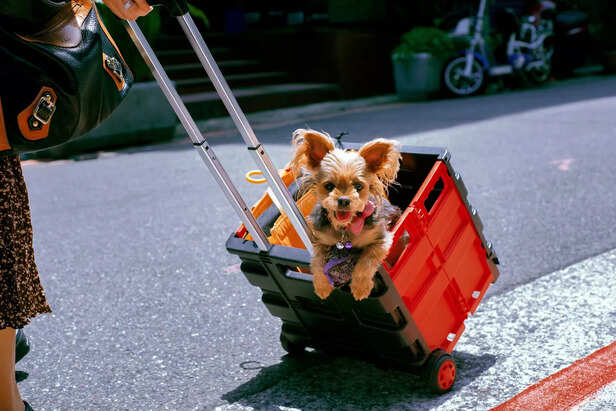
A social media pet travel lifestyle trend
One of the biggest drivers behind the paw cation trend is the rise of pet parenting. In urban households across the world, pets have moved from being secondary companions to central emotional figures. Millennials and Gen Z travellers, in particular, increasingly see pets as family members rather than animals that need to be managed around plans. Changing demographics have played a key role. Pets often fill emotional gaps created by these shifts, offering companionship, stability and comfort.
As a result, decisions around housing, work schedules, and leisure are now frequently shaped around pets. This emotional closeness makes travel without pets feel stressful rather than liberating. Many pet owners report anxiety and guilt when leaving animals behind, especially for extended trips. Paw cations remove that emotional burden by allowing pet parents to travel without compromise. While pet-friendly travel existed before, the pandemic dramatically accelerated its adoption. As travel reopened, pet owners found it harder to separate from animals they had grown deeply bonded with. At the same time, travel preferences themselves had changed. Paw cations fit seamlessly into this new travel mindset.
How the travel industry is adapting ?
What began as simple pet permissions has evolved into a full ecosystem of pet-focused services. Hotels and resorts that once reluctantly allowed pets are now actively marketing pet-friendly experiences. Many properties offer dedicated pet beds, bowls, treats, and welcome kits. Some go further by providing customized pet menus, grooming services, walking trails, play areas, and even pet swimming zones. Luxury resorts and boutique properties have begun introducing pet concierges who help guests plan pet-friendly activities, locate nearby veterinarians, and ensure animals remain comfortable throughout their stay. Homestays and private villas have become especially popular, offering outdoor space, privacy, and fewer restrictions. Transport providers are also adapting, albeit more slowly. Some airlines now allow small pets in cabins, while others have improved pet cargo handling and introduced travel kits to reduce anxiety.
Why pet travelling resonate with modern way ?
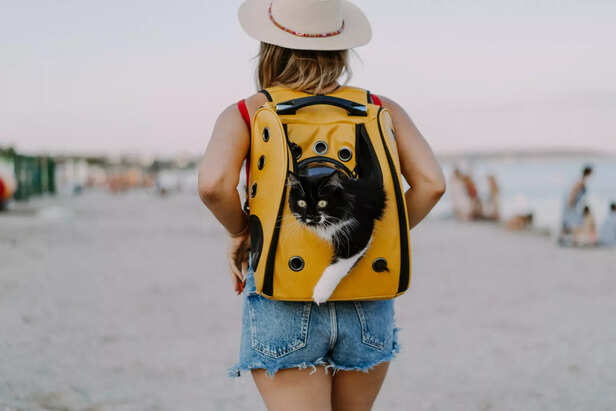
Pet, travel and social media : A perfect combination
The popularity of pet travelling goes beyond convenience. It speaks to a broader redefinition of what travel means today. Emotional well-being has become central to travel decisions. Vacations are increasingly seen as opportunities for mental rest, reconnection, and balance rather than checklist tourism. Pets contribute significantly to emotional stability, especially for solo travellers, couples without children, or people managing high-stress jobs. Pet travelling also align with the rise of experience-driven lifestyles. A morning walk with a dog on a quiet beach or a forest trail often feels more fulfilling than crowded tourist attractions. These moments create memories rooted in connection rather than consumption.
The challenges of pet-inclusive travel
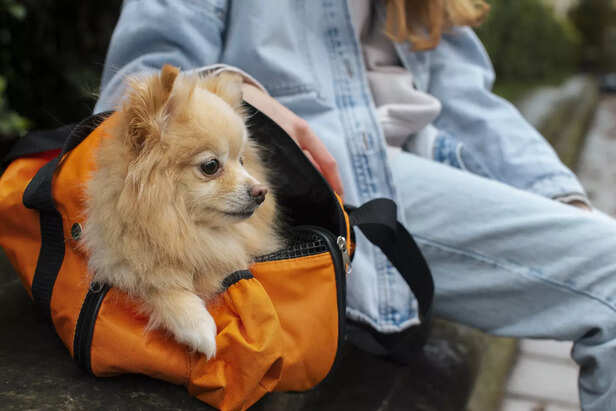
Pet travel is shaping modern tourism
Despite its growth, the trend is not without challenges. Regulations around pet travel, particularly air travel, remain inconsistent and often unclear. Policies vary widely across airlines, destinations, and accommodation providers, making planning complex. Some hotels charge high pet fees without offering meaningful amenities, while public spaces such as beaches, parks, and restaurants often lack clear guidelines on pet access. This inconsistency can create stress for travellers and limit the overall experience. Responsible pet travel is another critical concern. Veterinarians and animal welfare experts emphasize the pet’s comfort over novelty. Not all animals enjoy travel, crowds, or climate changes. Some pets may experience anxiety or health issues when removed from familiar environments. Pets should be vaccinated, trained, and gradually introduced to travel routines. Owners must be mindful of heat, hydration, noise levels, and rest, ensuring that the trip enhances rather than compromises the pet’s well-being.
Celebrate the bond with your pets, explore Health & Nutrition, discover Breeds, master Training Tips, Behavior Decoder, and set out on exciting Travel Tails with Times Pets!
Frequently asked questions (FAQs)
- What is pet friendly travel ?
Pet-friendly travel means planning trips where pets are allowed in transport, hotels, restaurants, and tourist places - Why is pet friendly travel trending on social media ?
Because people love sharing emotional, cute, and relatable moments with their pets, which perform very well on platforms like Instagram etc. - How does social media influence pet travel trends ?
Influencers, reels, and viral videos inspire pet parents to travel with pets and choose pet-friendly destinations - How does pet friendly travel impact tourism ?
Pet-friendly travel creates a dedicated niche within tourism, attracting pet parents who actively seek destinations that welcome animals. Hotels, homestays, airlines, cafés, beaches, and transport services adapt their policies to meet rising demand for pet inclusion.