Pugs, French Bulldogs, English Bulldogs, Shih Tzus, Boxers, Pekingese, if your dog belongs to any of these breeds, most international carriers will not fly it in cargo, and some will not allow it in the cabin either. The restriction feels arbitrary until you understand what a short face does to a dog's ability to breathe under stress.
What brachycephalic means, and why it matters at altitude
Brachycephalic means, literally, short-headed. Selective breeding over generations has compressed the skull of these dogs while leaving the soft tissue inside, the palate, the tonsils, the nasal turbinates, largely the same size. The result is a dog that is working harder than it looks just to move air through a narrowed passage at sea level. Add heat, excitement, or stress, and the effort increases sharply. Add reduced oxygen at cruising altitude, and the margin for error shrinks further. The condition has a clinical name, Brachycephalic Obstructive Airway Syndrome, or BOAS, and its severity varies between individual dogs even within the same breed. A mildly affected French Bulldog and a severely affected one may look identical to their owner but breathe very differently when pushed.
![Pet Carrier on Stone]()
Pet Carrier on Stone
Image credit : AI
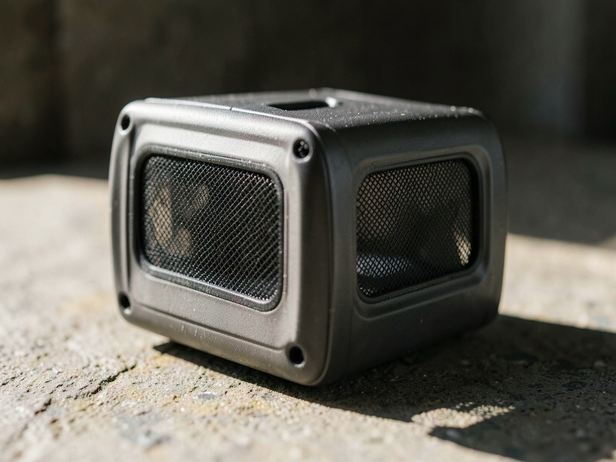
This hard-sided pet carrier, essential for travel, highlights the need to understand brachycephalic dogs flying restrictions.
What happens in a cargo hold
Cargo holds on commercial aircraft are temperature-controlled and pressurised, but they are not the same environment as the cabin. Temperatures can fluctuate during loading and unloading on the tarmac, which in Indian cities in summer means a dog may sit in a hot hold for thirty minutes before the doors close and the system stabilises. That window is enough to tip a brachycephalic dog into respiratory distress. The stress of confinement, the unfamiliar noise, and the pressure changes during ascent and descent all compound the problem. Several airlines reviewed their cargo pet policies after a series of in-flight deaths, the majority involving brachycephalic breeds. The restriction most carriers now publish is a direct response to those incidents. Never take any airline, railway, or carrier rule as current fact from this article, policies change, and you must confirm the exact rules with your carrier before booking.
Which breeds are typically on the restricted list
The list varies by carrier, but the breeds that appear most consistently are Bulldogs (English and French), Pugs, Boxers, Shih Tzus, Pekingese, Boston Terriers, Cavalier King Charles Spaniels, and Japanese Chins. Some carriers extend the restriction to mixed-breed dogs with visibly flat faces. Brachycephalic cat breeds, Persians and Himalayans, face similar restrictions on many airlines. The Kennel Club of India and international bodies such as the FCI do not set airline policy, but their breed standards describe the anatomical features that create the risk. If your dog is not on a published restricted list but has a visibly compressed face and audible breathing at rest, treat it as restricted until you have spoken directly with the airline's cargo or live-animal team.
![Airport Tarmac Golden Hour]()
Airport Tarmac Golden Hour
Image credit : AI
Golden hour light bathes the tarmac, a luggage cart blurred in the distance. Considering French Bulldog flight ban India.
What you can actually do
The options are fewer than most owners want to hear. If the destination is reachable by road or rail, that is genuinely the lower-risk choice for a brachycephalic dog, a car journey with stops, shade, and water is a controllable environment in a way a cargo hold is not. If flying is unavoidable, some carriers permit small dogs in the cabin in an approved carrier under the seat, and a few brachycephalic breeds fall within the size limit for this. Cabin travel removes the cargo-hold variables, though the stress of the journey remains. Before any travel plan is finalised, a vet who knows your dog should assess its airway health. A dog with significant BOAS symptoms, loud snoring at rest, exercise intolerance, episodes of gagging, is a poor candidate for air travel in any configuration. A dog with mild anatomy and no clinical signs is a different conversation, and your vet is the right person to have it with. If your dog shows laboured breathing, blue-tinged gums, or collapse at any point during travel, reach a vet immediately.