
What to Do If Your Pet Gets Injured Outdoors
Sonam Singh | TimesPets Bureau | Apr 14, 2026, 18:00 IST

What to Do If Your Pet Gets Injured Outdoors
Image credit : Freepik
Outdoor adventures can be fun for pets, but they also come with risks of injuries like cuts, bites, fractures, or heat exhaustion. Knowing how to respond quickly and correctly can prevent complications and save your pet’s life. This article provides a step-by-step guide on handling common outdoor injuries, offering first aid, and ensuring safe recovery. With proper awareness, preparation, and timely veterinary care, pet owners can confidently manage emergencies and keep their pets safe during outdoor activities.
Taking your pet outdoors for walks, hikes, or playtime is essential for their physical and mental well being. However, outdoor environments can expose pets to unexpected dangers such as sharp objects, aggressive animals, extreme weather, or accidents. Injuries can happen suddenly, and your response in those first few moments is crucial. Being prepared with basic first aid knowledge helps you stay calm and act effectively, ensuring your pet receives the care they need before reaching a veterinarian.
Assess the Situation and Ensure Safety
![Assess the Situation and Ensure Safety]()
The first step when your pet gets injured outdoors is to stay calm and quickly assess the situation. Panicking can make your pet more anxious and worsen the injury. Approach your pet gently, as injured animals may react aggressively due to pain or fear. Check for visible wounds, bleeding, limping, or signs of distress. Make sure the environment is safe before handling your pet. Move them away from hazards like traffic, other animals, or sharp objects. If necessary, use a cloth or leash to gently restrain them to prevent sudden movements. Your safety is equally important, so avoid putting yourself in danger while trying to help your pet.
Provide Immediate First Aid
![Provide Immediate First Aid]()
Once the situation is under control, provide basic first aid depending on the type of injury. For cuts or wounds, clean the area with clean water and apply gentle pressure using a cloth or bandage to stop bleeding. If bleeding is heavy, maintain firm pressure and seek urgent medical help. For sprains or fractures, avoid moving the affected area unnecessarily. Try to keep your pet still and support the injured limb with a makeshift splint if possible. In case of insect stings or bites, check for swelling and remove visible stingers carefully. Apply a cold compress to reduce pain and inflammation. If your pet shows signs of heat exhaustion such as excessive panting or weakness move them to a cool area and offer small amounts of water. Avoid giving any medication unless prescribed by a veterinarian.
Watch for Warning Signs of Serious Injury
![Watch for Warning Signs of Serious Injury]()
Some injuries may not appear severe at first but can become dangerous if ignored. Watch for warning signs such as continuous bleeding, difficulty breathing, vomiting, seizures, or extreme lethargy. Swelling, unusual posture, or inability to stand may indicate internal injuries or fractures. Behavioral changes like aggression, confusion, or unresponsiveness are also red flags. If your pet’s gums appear pale or bluish, it may signal a lack of oxygen or shock. These conditions require immediate veterinary attention. Always trust your instincts if something seems wrong, it is better to seek professional help rather than wait.
Transport Your Pet Safely to a Veterinarian
![Transport Your Pet Safely to a Veterinarian]()
After providing initial care, take your pet to a veterinarian as soon as possible. Use a towel, blanket, or pet carrier to transport them safely. Keep their body stable and avoid unnecessary movement, especially if you suspect fractures or internal injuries. Keep your pet calm and comfortable during the journey. Speak softly to reassure them and monitor their breathing and condition. If possible, inform the veterinary clinic in advance so they are prepared for your arrival. Having a basic pet first aid kit during outdoor trips can make a big difference in handling emergencies effectively.
Outdoor injuries in pets can be stressful, but quick thinking and proper first aid can prevent serious complications. By staying calm, assessing the situation, and acting promptly, you can provide immediate relief and protect your pet’s health. Always follow up with professional veterinary care to ensure complete recovery. Preparation and awareness are the keys to keeping your pet safe and happy during outdoor adventures.
Assess the Situation and Ensure Safety
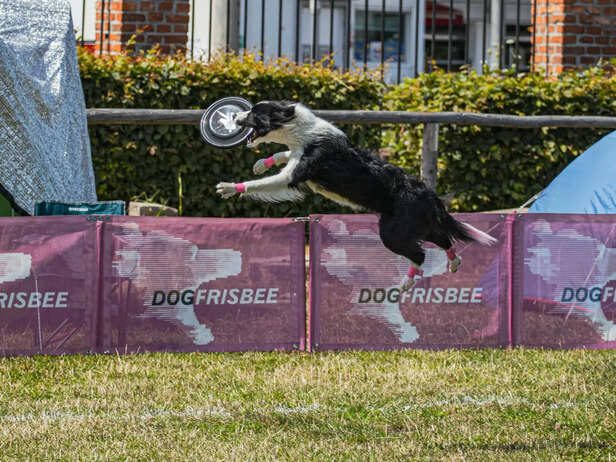
Assess the Situation and Ensure Safety
Image credit : Pexels
The first step when your pet gets injured outdoors is to stay calm and quickly assess the situation. Panicking can make your pet more anxious and worsen the injury. Approach your pet gently, as injured animals may react aggressively due to pain or fear. Check for visible wounds, bleeding, limping, or signs of distress. Make sure the environment is safe before handling your pet. Move them away from hazards like traffic, other animals, or sharp objects. If necessary, use a cloth or leash to gently restrain them to prevent sudden movements. Your safety is equally important, so avoid putting yourself in danger while trying to help your pet.
Provide Immediate First Aid

Provide Immediate First Aid
Image credit : Pexels
Once the situation is under control, provide basic first aid depending on the type of injury. For cuts or wounds, clean the area with clean water and apply gentle pressure using a cloth or bandage to stop bleeding. If bleeding is heavy, maintain firm pressure and seek urgent medical help. For sprains or fractures, avoid moving the affected area unnecessarily. Try to keep your pet still and support the injured limb with a makeshift splint if possible. In case of insect stings or bites, check for swelling and remove visible stingers carefully. Apply a cold compress to reduce pain and inflammation. If your pet shows signs of heat exhaustion such as excessive panting or weakness move them to a cool area and offer small amounts of water. Avoid giving any medication unless prescribed by a veterinarian.
Watch for Warning Signs of Serious Injury

Watch for Warning Signs of Serious Injury
Image credit : Freepik
Some injuries may not appear severe at first but can become dangerous if ignored. Watch for warning signs such as continuous bleeding, difficulty breathing, vomiting, seizures, or extreme lethargy. Swelling, unusual posture, or inability to stand may indicate internal injuries or fractures. Behavioral changes like aggression, confusion, or unresponsiveness are also red flags. If your pet’s gums appear pale or bluish, it may signal a lack of oxygen or shock. These conditions require immediate veterinary attention. Always trust your instincts if something seems wrong, it is better to seek professional help rather than wait.
Transport Your Pet Safely to a Veterinarian

Transport Your Pet Safely to a Veterinarian
Image credit : Pexels
After providing initial care, take your pet to a veterinarian as soon as possible. Use a towel, blanket, or pet carrier to transport them safely. Keep their body stable and avoid unnecessary movement, especially if you suspect fractures or internal injuries. Keep your pet calm and comfortable during the journey. Speak softly to reassure them and monitor their breathing and condition. If possible, inform the veterinary clinic in advance so they are prepared for your arrival. Having a basic pet first aid kit during outdoor trips can make a big difference in handling emergencies effectively.
Outdoor injuries in pets can be stressful, but quick thinking and proper first aid can prevent serious complications. By staying calm, assessing the situation, and acting promptly, you can provide immediate relief and protect your pet’s health. Always follow up with professional veterinary care to ensure complete recovery. Preparation and awareness are the keys to keeping your pet safe and happy during outdoor adventures.