
What Really Happens When You Take Your Pet on Long Trip
Payal Tandon | Apr 29, 2026, 12:00 IST

Travelling with Pets (Image Credit:Freepik)
Taking your pet on a long trip may seem exciting, but the experience can be very different for them compared to humans. This article explores what pets actually go through during travel, including stress, physical discomfort, and behavioural changes. It also explains how proper preparation and care can make travel safer and more comfortable for your pet.
Traveling with your pet sounds like a perfect plan. You imagine happy moments, new places, and your pet enjoying the journey just like you do. Many pet owners believe that bringing their pet along makes the trip more special and meaningful.
But have you ever stopped to think about how your pet actually feels during a long journey?
Unlike humans, animals do not understand the idea of travel. They do not know where they are going or why they are leaving their familiar space. For them, a long trip can feel confusing, stressful, and sometimes even frightening. The movement of the vehicle, unfamiliar smells, loud sounds, and change in routine can affect both their body and mind.
This does not mean you should avoid traveling with your pet. It simply means you need to understand their experience better. When you know what really happens during a long trip, you can take the right steps to make the journey safe, calm, and comfortable for your pet.
![Safe and secure Travel (Image Credit:Freepik)]()
For humans, travel is often associated with excitement and adventure. For pets, it is a sudden change in everything they are used to.
Pets rely heavily on routine. They eat, sleep, and play at specific times in a familiar environment. When you take them on a trip, this routine is disrupted. Even a simple car ride can feel overwhelming because they cannot predict what will happen next.
Smell is another important factor. Animals recognize places and people through scent. When they are surrounded by unfamiliar smells, it can make them feel insecure. This is why some pets become restless or unusually quiet during travel.
The constant movement of the vehicle also adds to the discomfort. Whether it is a car, train, or airplane, the motion can affect their balance and cause uneasiness.
One of the most common experiences for pets during long trips is stress. This stress may not always be obvious. Some pets show it clearly by whining, barking, or trying to escape. Others may become very quiet and still, which can be mistaken for calm behavior.
You may notice signs like excessive panting, drooling, trembling, or refusing to eat. These are all ways in which pets express anxiety.
Cats often hide or curl up in a corner when they feel stressed. Dogs may become restless or keep looking outside as if they are searching for something familiar. Birds and small animals may become unusually silent or stop moving.
The cause of this stress is not just the journey itself. It is also the lack of control. Pets cannot understand why they are in a moving space or when it will stop. This uncertainty can make them feel unsafe.
![Pet Become Restless (Image Credit:Freepik)]()
Long trips do not just affect your pet’s emotions. They also have a physical impact on their body.
Motion sickness is one of the most common issues, especially in dogs and young animals. Just like humans, pets can feel dizzy and nauseous when traveling for long periods. You may notice vomiting, drooling, or signs of discomfort.
Dehydration is another concern. During travel, pets may drink less water due to stress or limited access. This can lead to fatigue and weakness.
Sitting in one position for too long can also cause stiffness. Pets need movement to stay comfortable, and being confined in a carrier or seat for hours can make them uneasy.
Temperature changes inside the vehicle can also affect your pet. Too much heat or cold can quickly become dangerous, especially for smaller animals or those with thick fur.
Travel can bring noticeable changes in your pet’s behaviour. During the journey, they may act differently from their usual self.
Some pets become more attached and seek constant attention. Others may avoid interaction and prefer to stay alone. You might notice unusual habits like excessive licking, scratching, or pacing.
After reaching the destination, these changes can continue for some time. Your pet may take a while to adjust to the new environment. They might explore slowly, stay close to you, or show signs of confusion.
In some cases, pets may lose their appetite or sleep more than usual. This is often temporary and improves as they get used to the new place.
Understanding these behaviour changes helps you respond with patience instead of worry.
![Reaction of Pets (Image Credit:Freepik)]()
Not all pets react to travel in the same way. Each type of animal has its own way of dealing with change.
Dogs are generally more adaptable, especially if they are used to going out regularly. However, even dogs can feel stressed during long journeys if they are not prepared.
Cats are more sensitive to changes in environment. They prefer familiar spaces and may take longer to adjust during travel.
Birds and small animals like rabbits or hamsters are highly sensitive to noise and movement. They may feel stressed more easily and require extra care.
Reptiles and fish need very specific conditions to stay healthy. Travel can be challenging for them because of temperature and environment changes.
Knowing how your specific pet reacts can help you plan better.
While travel can be stressful, there are many ways to make it easier and safer for your pet.
Start by preparing your pet in advance. Short practice trips can help them get used to movement. This reduces anxiety during longer journeys.
Use a comfortable carrier or seat where your pet feels secure. Adding a familiar blanket or toy can provide comfort through scent.
Plan regular breaks during long trips. Allow your pet to stretch, drink water, and relax. This helps reduce both physical and mental stress.
Keep your pet hydrated but avoid heavy feeding right before travel to prevent motion sickness.
Maintain a calm environment. Loud music, sudden movements, or chaos can increase anxiety. Your calm behaviour also reassures your pet.
Despite the challenges, traveling with your pet can also strengthen your bond. When you support your pet through a stressful experience, they learn to trust you more.
Your presence becomes a source of comfort in unfamiliar situations. Over time, your pet may become more confident and adaptable.
The key is to focus on their needs, not just your plans. A successful trip is one where both you and your pet feel safe and comfortable.
Taking your pet on a long trip is not just about reaching a destination. It is about understanding what your pet goes through during the journey.
From stress and anxiety to physical discomfort and behaviour changes, pets experience travel in ways that are very different from humans. Ignoring these factors can make the trip difficult for them.
But with the right preparation, patience, and care, you can turn the experience into a positive one. Small steps like planning breaks, ensuring comfort, and staying attentive can make a big difference.
When you truly understand your pet’s needs, travel becomes more than just a journey. It becomes a shared experience built on trust, care, and companionship.
Celebrate the bond with your pets, explore Health & Nutrition, discover Breeds, master Training Tips, Behavior Decoder, and set out on exciting Travel Tails with Times Pets!
But have you ever stopped to think about how your pet actually feels during a long journey?
Unlike humans, animals do not understand the idea of travel. They do not know where they are going or why they are leaving their familiar space. For them, a long trip can feel confusing, stressful, and sometimes even frightening. The movement of the vehicle, unfamiliar smells, loud sounds, and change in routine can affect both their body and mind.
This does not mean you should avoid traveling with your pet. It simply means you need to understand their experience better. When you know what really happens during a long trip, you can take the right steps to make the journey safe, calm, and comfortable for your pet.
Why Travel Feels So Different for Pets
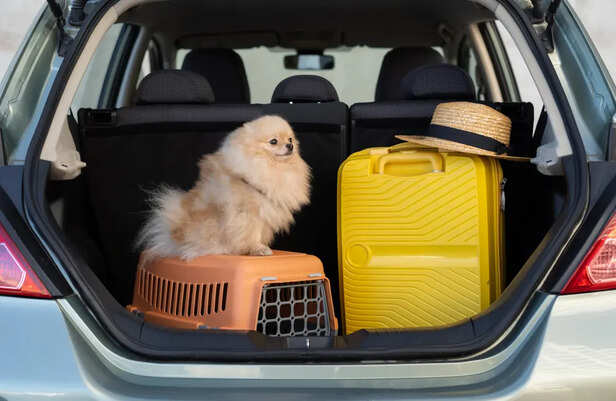
Safe and secure Travel (Image Credit:Freepik)
For humans, travel is often associated with excitement and adventure. For pets, it is a sudden change in everything they are used to.
Pets rely heavily on routine. They eat, sleep, and play at specific times in a familiar environment. When you take them on a trip, this routine is disrupted. Even a simple car ride can feel overwhelming because they cannot predict what will happen next.
Smell is another important factor. Animals recognize places and people through scent. When they are surrounded by unfamiliar smells, it can make them feel insecure. This is why some pets become restless or unusually quiet during travel.
The constant movement of the vehicle also adds to the discomfort. Whether it is a car, train, or airplane, the motion can affect their balance and cause uneasiness.
Stress and Anxiety During the Journey
One of the most common experiences for pets during long trips is stress. This stress may not always be obvious. Some pets show it clearly by whining, barking, or trying to escape. Others may become very quiet and still, which can be mistaken for calm behavior.
You may notice signs like excessive panting, drooling, trembling, or refusing to eat. These are all ways in which pets express anxiety.
Cats often hide or curl up in a corner when they feel stressed. Dogs may become restless or keep looking outside as if they are searching for something familiar. Birds and small animals may become unusually silent or stop moving.
The cause of this stress is not just the journey itself. It is also the lack of control. Pets cannot understand why they are in a moving space or when it will stop. This uncertainty can make them feel unsafe.
Physical Effects on Your Pet’s Body
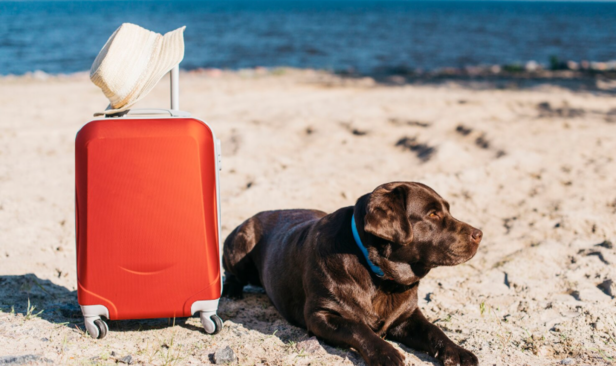
Pet Become Restless (Image Credit:Freepik)
Long trips do not just affect your pet’s emotions. They also have a physical impact on their body.
Motion sickness is one of the most common issues, especially in dogs and young animals. Just like humans, pets can feel dizzy and nauseous when traveling for long periods. You may notice vomiting, drooling, or signs of discomfort.
Dehydration is another concern. During travel, pets may drink less water due to stress or limited access. This can lead to fatigue and weakness.
Sitting in one position for too long can also cause stiffness. Pets need movement to stay comfortable, and being confined in a carrier or seat for hours can make them uneasy.
Temperature changes inside the vehicle can also affect your pet. Too much heat or cold can quickly become dangerous, especially for smaller animals or those with thick fur.
Changes in Behaviour During and After Travel
Travel can bring noticeable changes in your pet’s behaviour. During the journey, they may act differently from their usual self.
Some pets become more attached and seek constant attention. Others may avoid interaction and prefer to stay alone. You might notice unusual habits like excessive licking, scratching, or pacing.
After reaching the destination, these changes can continue for some time. Your pet may take a while to adjust to the new environment. They might explore slowly, stay close to you, or show signs of confusion.
In some cases, pets may lose their appetite or sleep more than usual. This is often temporary and improves as they get used to the new place.
Understanding these behaviour changes helps you respond with patience instead of worry.
How Different Pets React to Travel

Reaction of Pets (Image Credit:Freepik)
Not all pets react to travel in the same way. Each type of animal has its own way of dealing with change.
Dogs are generally more adaptable, especially if they are used to going out regularly. However, even dogs can feel stressed during long journeys if they are not prepared.
Cats are more sensitive to changes in environment. They prefer familiar spaces and may take longer to adjust during travel.
Birds and small animals like rabbits or hamsters are highly sensitive to noise and movement. They may feel stressed more easily and require extra care.
Reptiles and fish need very specific conditions to stay healthy. Travel can be challenging for them because of temperature and environment changes.
Knowing how your specific pet reacts can help you plan better.
Simple Ways to Make Travel Easier for Your Pet
While travel can be stressful, there are many ways to make it easier and safer for your pet.
Start by preparing your pet in advance. Short practice trips can help them get used to movement. This reduces anxiety during longer journeys.
Use a comfortable carrier or seat where your pet feels secure. Adding a familiar blanket or toy can provide comfort through scent.
Plan regular breaks during long trips. Allow your pet to stretch, drink water, and relax. This helps reduce both physical and mental stress.
Keep your pet hydrated but avoid heavy feeding right before travel to prevent motion sickness.
Maintain a calm environment. Loud music, sudden movements, or chaos can increase anxiety. Your calm behaviour also reassures your pet.
The Emotional Side of Traveling Together
Despite the challenges, traveling with your pet can also strengthen your bond. When you support your pet through a stressful experience, they learn to trust you more.
Your presence becomes a source of comfort in unfamiliar situations. Over time, your pet may become more confident and adaptable.
The key is to focus on their needs, not just your plans. A successful trip is one where both you and your pet feel safe and comfortable.
Taking your pet on a long trip is not just about reaching a destination. It is about understanding what your pet goes through during the journey.
From stress and anxiety to physical discomfort and behaviour changes, pets experience travel in ways that are very different from humans. Ignoring these factors can make the trip difficult for them.
But with the right preparation, patience, and care, you can turn the experience into a positive one. Small steps like planning breaks, ensuring comfort, and staying attentive can make a big difference.
When you truly understand your pet’s needs, travel becomes more than just a journey. It becomes a shared experience built on trust, care, and companionship.
Celebrate the bond with your pets, explore Health & Nutrition, discover Breeds, master Training Tips, Behavior Decoder, and set out on exciting Travel Tails with Times Pets!