Flying with Fins and Shells: Air Travel Tips That Truly Help
![Air Ready]()
Air Ready
Image credit : Unsplash
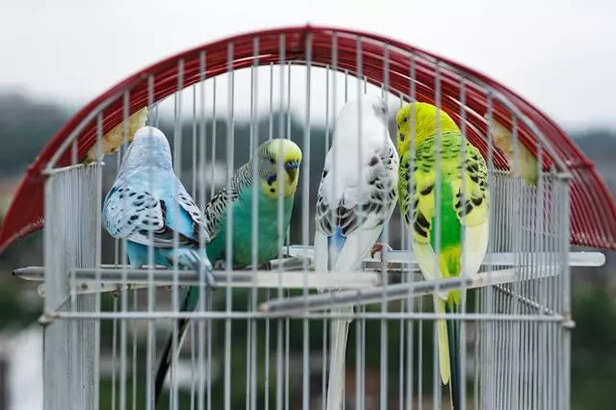
Air travel may feel complicated for exotic pets, but many fish, tortoises and birds can fly safely with proper preparation. The first step is always checking airline policies because rules vary widely. Fish usually need oxygen rich containers that are leak proof and approved by the airline. Tortoises require sturdy, well ventilated travel boxes that prevent rolling or sliding during turbulence. Birds may be allowed in the cabin if kept in carriers that fit under the seat and allow comfortable movement. Temperature stability is extremely important since reptiles and aquatic species can react quickly to environmental changes. Try to choose flights during mild weather and avoid long layovers. With proper planning, flying becomes a secure and responsible way to travel with your unique animals.
Rolling Safely: Train Travel for Delicate Species
![Smooth Ride]()
Smooth Ride
Image credit : Freepik
Trains are often a calm and pet friendly option for unusual species. The stable motion and controlled environment are ideal for birds, reptiles and fish that may be sensitive to pressure changes. Many railway services allow small exotic pets as long as they travel in secure, escape proof carriers with good airflow. Fish can be transported in sealed, oxygen filled bags or small containers designed for short trips. Tortoises benefit from solid crates with soft materials that reduce vibration stress. Birds usually adapt well to trains because the noise level is lower and their carriers remain steady. Always avoid overcrowded routes and make sure your pet stays away from direct sunlight inside the compartment. The slower, smoother pace of train travel often makes the journey easier for fragile species.
Ground Transport the Safe Way: Tanks, Terrariums and Travel Crates
![Safe Drive]()
Safe Drive
Image credit : Freepik
Ground transport gives you the most control over your pet’s environment, which makes it a very humane choice. Fish can be moved in insulated coolers or mini tanks equipped with battery powered air pumps. Tortoises need strong crates lined with soft bedding to prevent slipping. Birds travel well in carriers that limit excessive shaking while still allowing space to perch. During long trips, schedule regular breaks to check water levels, temperature and overall comfort. Never leave animals inside a parked vehicle because temperatures can rise dangerously fast. If you use a professional pet transport service, confirm that they are licensed and experienced with exotic species. When done carefully, ground travel allows your pets to stay calm, healthy and stable throughout the journey.
Lessons to Carry on Your Journey
![Travel Wisdom]()
Travel Wisdom
Image credit : Freepik
Traveling with special species is more than a logistical task. It is a promise to provide comfort, safety and full legal compliance at every stage of the trip. Every decision you make from choosing the right carrier to monitoring temperature shows your commitment as a responsible pet guardian. When you approach the journey with patience and care, your fish, tortoise or bird can travel the right way and arrive just as relaxed as you hoped. Thoughtful planning transforms the experience into a safe and meaningful adventure for you and your unique companions.
Celebrate the bond with your pets, explore
Health & Nutrition, discover
Breeds, master
Training Tips,
Behavior Decoder, and set out on exciting
Travel Tails with
Times Pets!Frequently Asked Questions (FAQs)- Can fish travel safely by plane?
Yes, most airlines allow fish in sealed oxygen rich containers. - Are birds allowed on trains?
Many railway services permit birds if they travel in secure carriers. - Do tortoises need special documents to travel?
Some regions require permits or health certificates depending on species. - What is the safest way to travel with exotic pets?
Ground travel is usually safest because you control temperature and comfort. - Can non traditional pets handle long trips?
Yes, with stable temperatures, proper carriers and regular checks.