Cats are territorial animals. A change of environment stresses them far more than a change of company, which is why most cats cope better staying home with a sitter than being moved to a cattery or a friend's flat. The arrangement works well when the sitter is genuinely prepared, and falls apart when they are not.
What the sitter needs to know before you leave
Write everything down. A verbal briefing is forgotten by day two. Leave a single sheet, physical or shared digitally, that covers feeding times and quantities, the location of food, water, litter and any medication, the cat's normal behaviour (how vocal it is, whether it hides from strangers, how it signals it wants to be left alone), and two emergency contacts: yours and the vet's. Include the vet's address and whether the clinic takes walk-ins or needs an appointment.
Tell the sitter what normal looks like for your specific cat. A cat that sleeps eighteen hours a day and barely acknowledges visitors is not a sick cat, but a sitter who does not know that may panic. Equally, a cat that normally greets people at the door and suddenly hides needs attention.
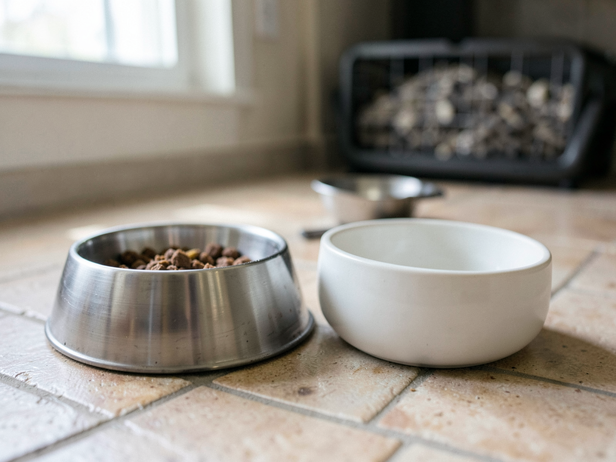
![Cat's Mealtime Essentials]()
Cat's Mealtime Essentials
Image credit : AI
Preparing for my cat while I'm travelling. I've left clear cat sitter instructions for their care.
Feeding, water and litter
Cats do not adapt well to irregular feeding. If your cat eats twice a day at fixed times, the sitter needs to hold those times. A cat that misses a meal or two will not starve, but a cat that goes more than twenty-four hours without eating, especially an overweight cat, is at real risk of hepatic lipidosis, a serious liver condition that develops when the body mobilises fat reserves too quickly. This is not a wait-and-see situation. A cat that has not eaten in a full day needs a vet call.
Water matters as much as food. Cats on dry food are often mildly dehydrated at baseline. Fresh water in a clean bowl, changed daily, is the minimum. If your cat uses a fountain, show the sitter how it works and where the filters are.
Litter should be scooped at least once a day. A dirty tray is one of the most common reasons a cat starts eliminating outside the box. If the sitter is visiting once a day, scooping on each visit is non-negotiable. Leave enough litter for the full trip.
What the sitter should watch for
Brief the sitter on the signs that mean call the vet today, not tomorrow. These include: not eating for more than twenty-four hours, not passing urine in twenty-four hours (this is an emergency in male cats, a blocked urethra is life-threatening and needs immediate veterinary attention), laboured or open-mouth breathing, hiding continuously for more than a day when the cat does not normally do this, vomiting more than once or twice, or any sign of pain such as hunching, reluctance to move, or crying when touched.
A male cat that is straining in the litter tray and producing little or no urine should be taken to a vet immediately, not observed overnight. Tell the sitter this explicitly.
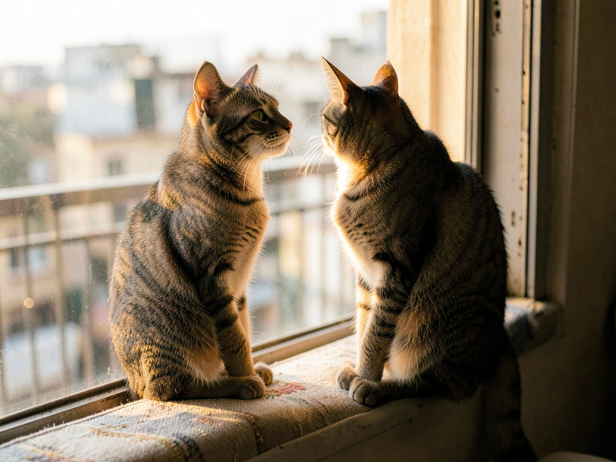
![Tabby Cat in Sunlight]()
Tabby Cat in Sunlight
Image credit : AI
My tabby cat watches the world go by, a peaceful moment while I'm away. Hope they're okay with the cat sitter instructions India.
Keeping the cat comfortable
Leave the sitter with access to the cat's usual spaces. Do not lock rooms the cat normally uses, a cat suddenly denied its favourite perch or sleeping spot adds that to its list of stressors. Leave something with your scent: a worn t-shirt near the cat's sleeping area is enough.
If your cat is social and gets bored, ask the sitter to spend twenty to thirty minutes in the flat, not just to feed and leave. If your cat is shy and prefers its own company, a quick visit to feed, check and scoop is all it needs, hovering will stress it more.
Pheromone diffusers (the plug-in type that release synthetic feline facial pheromone) can help cats settle during disruption. If your cat is anxious by nature, plugging one in a few days before you leave gives it time to work. This is not a substitute for a good sitter, it is background support.
Medication and health conditions
If your cat is on any medication, the sitter must be trained to give it before you leave, not briefed by text while you are at the airport. Practise together. Leave written instructions: the name of the medication, the dose the vet has prescribed, the time it is given, and what to do if the cat refuses it or vomits immediately after. Never ask a sitter to guess at a dose or split a tablet without vet guidance.
If your cat has a known health condition, diabetes, kidney disease, hyperthyroidism, a heart condition, consider whether a once-daily visit is enough. Some cats with chronic illness need more frequent checks, or may be better served by a vet-recommended boarding facility with nursing staff. That is a conversation to have with your vet before you book your trip, not the night before you leave.
A sitter who knows what your cat normally looks like, has a clear list of warning signs, and has your vet's number saved is the difference between a cat that weathers your absence well and one that does not.