The first thing a pet relocation company sells you is the feeling that someone else is managing an unmanageable situation. That feeling is partly true and worth paying for. The part that isn't true can cost your pet the journey if you believe it entirely.
What a relocation service actually takes off your plate
The core value of a professional pet mover is documentation and carrier coordination, two things that are genuinely complicated and change without notice. They track which airlines accept live animals on a given route, whether your pet's breed is on a carrier's restricted list, what the destination country's import requirements are right now, and which veterinary certificates need to be issued within a specific window before departure. Getting any one of these wrong means your pet does not board.
A reputable service will also source or supply an IATA-compliant travel crate, confirm that the crate dimensions meet the carrier's requirements for your pet's weight and size, and handle the cargo booking, which is a separate process from booking your own seat. For international moves, they manage the health certificate endorsements, microchip verification, and, where relevant, the rabies titre test timeline. That last item alone can take months to plan around; missing it means quarantine at the destination.
On the ground at the destination, many services arrange an agent to clear your pet through customs and deliver the animal to your address or a boarding facility. This is the part that matters most when you are landing in a new city with luggage and logistics of your own.
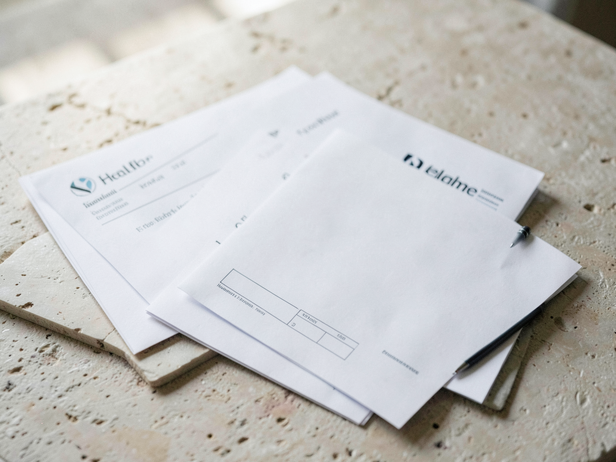
![Document Preparation for Travel]()
Document Preparation for Travel
Image credit : AI
Preparing essential documents for pet relocation services India. Ensuring all paperwork is in order for a smooth journey.
What no service can do for you
A relocation company cannot make your pet comfortable in a crate it has never spent time in. Crate training, the slow, patient process of making a confined space feel safe rather than threatening, takes weeks, sometimes longer for anxious animals. It is the owner's work, done at home, long before a booking is made. A dog or cat that has never been crated, loaded into cargo for the first time on moving day, will have a very different experience from one that naps in its crate voluntarily.
They also cannot manage your pet's health baseline. A pet that is underweight, has an untreated ear infection, or is on medication that requires refrigeration needs a vet conversation before any travel plan is made. The relocation company will ask for a health certificate; your vet will issue it only if the animal is fit to travel. That fitness is your responsibility to build and maintain.
Sedation is a separate conversation that belongs entirely between you and your vet. Some owners assume a relocation service will advise on this. They should not, and a good one won't. Sedation affects how animals regulate body temperature and balance in a moving crate, and the decision, if there is one to make, is a clinical judgment based on your specific animal's history. Confirm what your vet recommends, and tell the relocation service what they need to know about your pet's condition, not the other way around.
The questions worth asking before you sign anything
Not every company calling itself a pet relocation service offers the same scope. Some are full-service door-to-door operations with agents at both ends. Others are documentation handlers who stop at the cargo drop-off. Ask specifically: do they have a ground agent at the destination, or does the pet clear customs on its own paperwork? Do they accompany the animal to the cargo facility, or do you? What happens if a flight is cancelled or the crate is flagged at check-in?
Airline and railway rules, import document requirements, and carrier fees change. Any figure or rule a relocation company quotes you today should be confirmed directly with the carrier before your booking is finalised. This is not a sign that the company is unreliable, it is the nature of the industry. Build that verification step into your timeline.
Ask for references from clients who moved the same species on a similar route. A company with strong experience moving dogs to the Gulf may have little experience with cats to Europe, and the documentation requirements differ significantly.
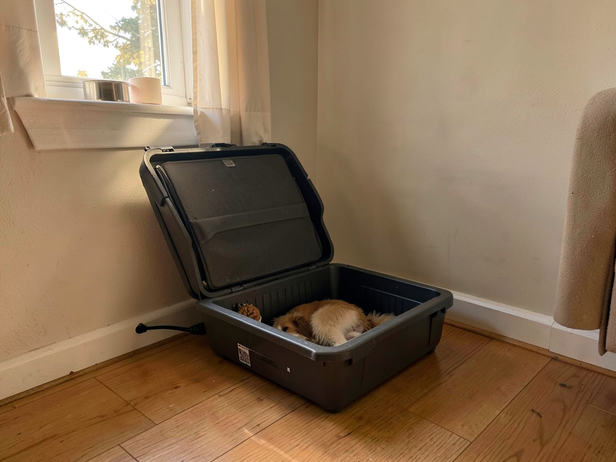
![Dog's Cozy Travel Crate]()
Dog's Cozy Travel Crate
Image credit : AI
Preparing for pet relocation services India. This crate awaits a furry friend's journey.
The timeline most people underestimate
For a domestic move within India, a few weeks of preparation is usually enough if the pet is already crate-comfortable and healthy. For an international move, three to six months is a realistic planning window, and some destinations, particularly those with strict biosecurity rules, require longer. The rabies titre test, where required, must be done after a valid vaccination and then waited out for a country-specific period before travel. That wait cannot be shortened.
Start the crate introduction the day you know a move is coming, not the week before departure. Book a vet appointment to discuss travel fitness and any health concerns early enough that there is time to address them. Contact the relocation service before you have a departure date, not after, so the documentation timeline can be built around what the destination actually requires.
The relocation service manages the system. You manage the animal. Both halves have to be ready on the same day.