Dogs and cats are creatures of schedule in a way most owners underestimate. While you were away, the feeding times shifted, the sleep sounds changed, and the person whose scent anchors the home was simply gone. Coming back does not flip a switch. For some pets the reunion itself is a stressor, too loud, too much, too sudden, and the days after can look stranger than the days you were absent.
What you are actually seeing
A dog that follows you from room to room, a cat that refuses to look at you, a pet that eats less or more than usual: these are all versions of the same adjustment. The nervous system has been running on a different baseline and needs time to recalibrate. In dogs, separation-related stress can persist for several days after the owner returns, showing up as restlessness, excessive greeting, or uncharacteristic destructiveness. In cats, the more common response is withdrawal, the animal that pretends you do not exist for a day or two before returning to normal. Neither is a sign that something is permanently wrong. Both are signs the animal noticed you were gone.
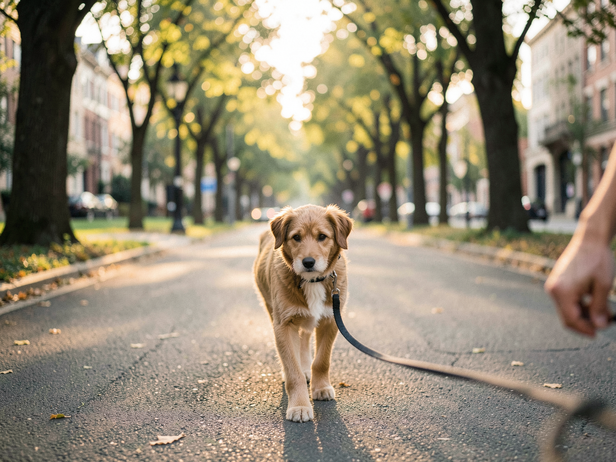
![Calm Dog's Evening Stroll]()
Calm Dog's Evening Stroll
Image credit : AI
My dog enjoys a peaceful walk, settling into our routine after my trip.
The first hour back matters more than you think
The instinct is to make a big fuss, to compensate for the absence with attention. A calm, low-key return tends to work better. Walk in, greet the animal at whatever energy level it brings to you, and then go about the business of being home: unpacking, making tea, moving through the flat. The message is that your return is ordinary, not an event. For a dog that is already spinning with excitement, a long walk within the first hour does more than any amount of cooing. Physical exercise brings cortisol down and gives the animal something to do with the arousal.
Getting the routine back on track
The single most effective thing you can do in the first 48 hours is restore the schedule exactly. Same feeding times as before the trip, same walk times, same bedtime. If a pet-sitter kept different hours, the adjustment back to your schedule will take two or three days; expect some protest around mealtimes and do not interpret it as illness. Cats that free-fed while you were away may need a day or two to accept scheduled meals again, hold the schedule, reduce the gap between portions if needed, but do not abandon structure. For dogs, a short training session, five minutes of sits, stays, and recall, on each of the first few days back does something the walk cannot: it re-establishes the communication pattern between you, which is its own kind of reassurance.
![Morning Light on Food Bowl]()
Morning Light on Food Bowl
Image credit : AI
A quiet moment of sustenance, perhaps for a pet settling in after a long absence. Helping pets adjust after owner returns from trip is key.
When the unsettled behaviour is worth a vet call
Most post-trip disruption resolves within three to five days. If a dog is still refusing food past 48 hours, vomiting, showing loose stools that do not clear up, or is genuinely lethargic rather than just quiet, those are signs to call the vet rather than wait it out. In cats, not eating for more than 24 to 36 hours is a clinical concern regardless of the cause, cats that stop eating are at risk of hepatic lipidosis, a liver condition that develops faster in cats than in most species. A cat that is hiding continuously, breathing with any visible effort, or has not used the litter tray since you returned needs to be seen promptly. Behavioural adjustment and physical illness can look similar from the outside; when in doubt, a vet call costs less than a delayed diagnosis.