
How Long Journeys Can Change a Pet's Personality ?
Upasna Yadav | Jan 31, 2026, 13:15 IST

How long journeys affect a pet's personality ?
Relocating with a pet feels exciting and overwhelming at the same time. You pack boxes, adjust schedules and plan the road ahead. Somewhere in between, your dog begins to reveal traits you may have never noticed. Long-distance moves teach you about your dog’s personality through subtle reactions to new environments, changing daily patterns, and increased dependence on your guidance.
Highlights
1. The way your pet respond during travelling helps you understand their comfort zones, fears, and hidden strengths. Many owners discover that structured dog training keeps routines stable and reduces anxiety. These experiences shape the bond between you and your pet.
2. Traveling with your dog offers a chance for quality one-on-one attention that can often be hard to find in our daily routines. It’s a great opportunity to dedicate time and care solely to your pet without the distractions of everyday life.
3. Most dogs will love the adventure travel brings as long as they are in the company of their human parents, but some may find it a little overwhelming. Make sure your dog is used to traveling, be it by car, train, or another way, and consult with your vet if you think they may find the experience stressful or scary.
2. Traveling with your dog offers a chance for quality one-on-one attention that can often be hard to find in our daily routines. It’s a great opportunity to dedicate time and care solely to your pet without the distractions of everyday life.
3. Most dogs will love the adventure travel brings as long as they are in the company of their human parents, but some may find it a little overwhelming. Make sure your dog is used to traveling, be it by car, train, or another way, and consult with your vet if you think they may find the experience stressful or scary.
New Environments Bring Out Curiosity

Travel Fatigue in Pets Explained
When you reach a new home, watch how your dog explores the space. Confident pets walk ahead, sniff corners and analyze rooms quickly. More cautious dogs take slow, careful steps. Sudden noises or strange smells can spark hesitation. This curiosity or lack of it gives you clues about energy levels and comfort. Long-distance moves teach you about your dog’s personality by exposing how they react when their world changes overnight.
How Do Routine Changes Reveal Adaptability?
Every dog depends on structure. A shift in meals, walks, and sleep cycles affects their mood. Some adapt instantly and accept small adjustments. Others struggle and become restless. As you settle in, try to return to consistent patterns. If your dog thrives once your rhythm stabilizes, you learn how routine anchors their emotional balance.
Stress Signals
Before the move even begins, your dog might show early hints of worry. Some pets pace rooms, whine softly or linger beside family members. Others become unusually quiet. These behaviors can reveal how well your dog handles change. Long-distance moves teach you about your dog’s personality when stressful moments show how they communicate. Recognizing subtle cues helps you step in before anxiety spirals. Gentle play, short breaks, or consistent reassurance can ease early tension.
Sensitivity to Sound and Movement
City traffic, elevators, hardwood echoes, or hallway voices may trigger sudden reactions. Dogs from quiet neighborhoods might feel overwhelmed. Those familiar with constant activity adapt faster. You observe their patience, caution or sensory limits in real time. This response reveals thresholds you may not have noticed before.
Social Behavior on the Road

Helping Pets Adjust After Long Travel
Interactions with strangers and other dogs show a lot about social needs. Will your dog approach gently? Wait behind you? Avoid contact? Maybe they prefer people over pets or the opposite. Travel presents rapid introductions that highlight true preferences. If they warm up slowly, you learn to advocate for personal space. If they greet everyone, you discover their confidence.
How Do Long-Distance Moves Teach You About Your Dog’s Personality?
The road becomes a test of patience, flexibility, and trust. Long-distance moves teach you about your dog’s personality because unfamiliar settings demand honest reactions. Each stop holds new scents, textures, and temperatures. Behaviors you may never see at home emerge when your pet leaves behind every known smell. You may discover hidden bravery, playful streaks, or a surprising sensitivity that deserves gentle care. This transformation deepens your empathy and sharpens your ability to provide comfort.
Strengthening the Bond
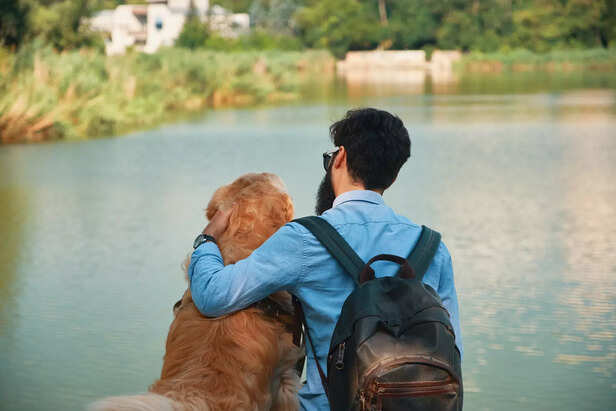
Creating memories that strengthen the bond with pet
Spending exclusive time with your dog during travel can strengthen your bond. The shared experiences and adventures can enhance your understanding of each other, forging a deeper connection than ever. Dogs are natural conversation starters. They can bridge gaps between different cultures, languages, and personalities. With your furry friend by your side, you might end up making meaningful connections with fellow travelers and locals alike. Dogs have an innate curiosity that can lead to spontaneous adventures. This means that traveling with a dog can transform a typical, planned trip into a flexible and exciting journey of discovery. Traveling with a dog encourages more physical activity. Whether it’s hiking, swimming, or simply walking through new cities, you’re bound to get more exercise. This isn’t just good for your pet but for your own health, too! Traveling with dogs can encourage you to take things slow and enjoy the moment. Dogs live in the present, and their perspective can help us to appreciate the small things and soak up every bit of our travel experience.
Celebrate the bond with your pets, explore Health & Nutrition, discover Breeds, master Training Tips, Behavior Decoder, and set out on exciting Travel Tails with Times Pets!
Frequently asked questions (FAQs)
- Can long journeys really change a pet's personality ?
Yes, long journeys can temporarily or sometimes permanently affect a pet’s personality. Stress, unfamiliar environments, noise, and routine changes can make pets more anxious, fearful, or withdrawn. - Why do pets behave differently after a long trip ?
Pets may feel tired, stressed, or confused after traveling. New smells, sounds, and lack of rest can disrupt their emotional balance, leading to mood or behavior changes. - How long do travel related behavior changes last in pets ?
For most pets, behavior changes last a few days to a couple of weeks. With proper care, routine, and comfort, pets usually return to their normal personality. - How can pet owners help pets adjust after a long journey?
Maintain a familiar routine, provide comfort items, ensure rest, give extra affection, and allow pets time to settle in a calm environment.