A cat's relationship with its home is not sentimental, it is functional. Every room, corridor, and corner carries a scent map the cat has built over months or years, marking what is safe, what is its own, and where threats come from. Renovation dismantles that map. Walls come down, smells change, strangers arrive with loud equipment, and the furniture that anchored familiar routes disappears. For a cat, this is not an inconvenience. It is a genuine security crisis, and the recovery takes longer than most owners expect.
What the cat is actually experiencing
Cats are territorial in a way dogs are not. A dog's security travels with its people; a cat's security lives in the physical space. When that space changes suddenly, new smells of paint, adhesive, sawdust, and unfamiliar humans, the cat loses its environmental anchors. The stress response is not performance. Cortisol rises, the cat scans constantly for threat, and normal behaviours, eating, grooming, using the litter box, sleeping in the open, become things it no longer feels safe doing. Some cats go quiet and hide. Others vocalise more, scratch furniture, or start spraying vertical surfaces. A few stop eating. All of these are the same thing: a cat trying to re-establish control over a space it no longer reads as safe.
![Cat's Peaceful Sanctuary Corner]()
Cat's Peaceful Sanctuary Corner
Image credit : AI
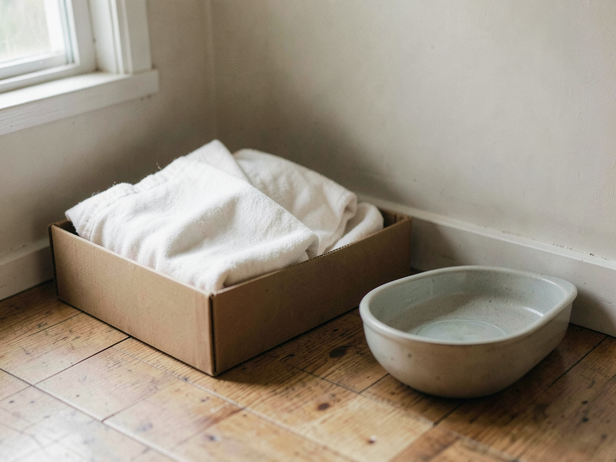
Creating a safe haven for my cat after renovation noise. This quiet corner helps them settle.
Set up a sanctuary room before work begins
If you know renovation is coming, prepare one room the builders will not enter. Move the cat's bedding, litter box, food and water bowls, and a few unwashed items of your clothing into it before work starts. Close the door and keep it closed throughout. The room should carry familiar smells from the start, this is what makes it a sanctuary rather than just another strange space. Play soft background sound, a radio on low or a white noise app, to blunt the impact of drilling and hammering from elsewhere in the flat. Feed the cat in this room on its normal schedule. Routine is the one thing you can keep constant when everything else has changed.
Manage the workmen and the access points
Cats bolt when they are frightened, and an open front door during a delivery or a gate left ajar is all it takes. Tell the workers on the first day that there is a cat in the house, that a specific room is off limits, and that exterior doors need to be kept closed. This is not an unusual request and most contractors take it seriously when asked directly. If the work is extensive and the sanctuary room cannot be guaranteed, consider whether a trusted friend's home or a short boarding stay at a vet clinic or cattery would be less stressful than weeks of daily disruption. A few days in a calm, familiar-smelling carrier at a quiet home is often less damaging than a month of noise and strangers.
![Gentle touch on fresh paint]()
Gentle touch on fresh paint
Image credit : AI
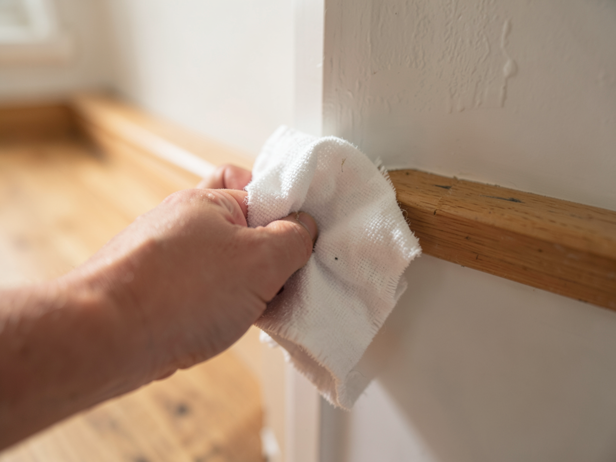
I gently wipe near the skirting board, a quiet moment after the renovation. Settling cat after building work is my next concern.
Reintroduce the renovated space gradually
Once the main work is done, do not simply open every room and expect the cat to explore freely. The freshly painted, refloored, or refurnished space smells entirely wrong to it, the scent map is gone. Let the cat into one renovated area at a time, with you present and calm. Sit in the room. Let the cat investigate at its own pace, which may mean it retreats immediately and tries again the next day. Rub a soft cloth gently along the cat's cheeks and chin, where its scent glands sit, and wipe it lightly on the new furniture, the skirting boards, and the lower walls. This is called scent swapping and it accelerates the process of the cat reclaiming the space as its own. Synthetic feline facial pheromone diffusers, available from veterinary clinics, work on the same principle and can help in the first two to three weeks after work ends.
Watch for signs that this has gone beyond stress
Most cats settle within two to four weeks of renovation ending, provided the disruption is over and the routine is back. If your cat has not eaten for more than 24 hours, is hiding continuously without coming out to use the litter box, is vocalising through the night, or has started urinating outside the box, these are not just stress behaviours, they are signs that need a vet's attention. Cats that stop eating for more than a day or two are at risk of hepatic lipidosis, a liver condition that develops quickly and requires treatment. A cat that is straining at the litter box with little output, particularly a male cat, needs to be seen by a vet the same day. Stress can unmask underlying health problems, and the renovation is not always the whole story.
The scent map will rebuild. It takes longer than owners expect, and it happens unevenly, the cat will reclaim one corner before it reclaims the next room, and it will do it on its own schedule. The owner's job is to keep the routine steady, reduce new disruptions while recovery is underway, and watch closely enough to know when the problem has moved past something home management can fix.