Most dogs have never stood on a surface that moves beneath them, and a ferry deck is a very different proposition from a car seat or a park path. The engine vibration travels through the floor, the horizon tilts, salt air carries smells unlike anything on land, and there is nowhere to walk away from any of it. None of this is insurmountable, but it asks for preparation that starts well before the boarding gate.
How dogs experience motion on water
The inner ear does most of the work in motion sickness, and dogs are susceptible to it for the same reason humans are: the balance signals from the inner ear conflict with what the eyes are seeing. On a boat, the floor moves but nearby objects move with it, so the visual input offers no stable reference. Younger dogs often grow out of motion sickness as the inner ear matures; adult dogs who have never been on water have had no chance to adapt. Signs to watch for include drooling more than usual, repeated lip-licking, yawning, restlessness, and eventually retching. A dog that shows these signs in a car is more likely to show them on a boat. If your dog has a history of car sickness, talk to a vet before the trip, not for sedation, but to understand your options. Sedation on a boat carries its own risks, particularly in heat, and the decision belongs to a vet who knows your dog, not to a general guide.
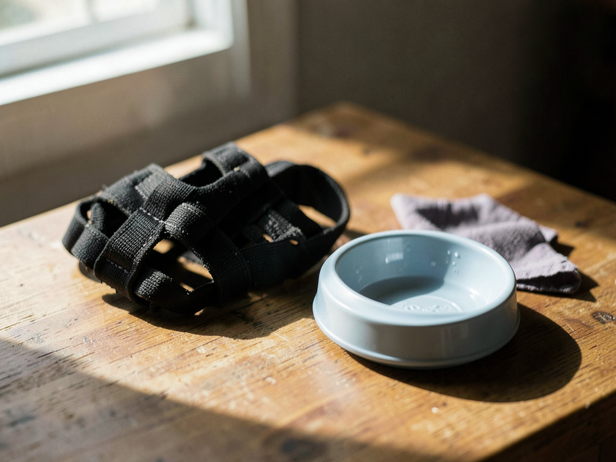
![Dog Travel Essentials Ready]()
Dog Travel Essentials Ready
Image credit : AI
Preparing for a dog boat ride in India. These essentials ensure a comfortable journey.
What to sort out before you book
Every ferry operator and boat service sets its own rules for dogs, and those rules change. Some routes allow dogs on the open deck only. Some require a carrier or a leash at all times. Some do not permit dogs at all. Confirm the current policy directly with the operator before you buy a ticket, not from a travel forum, not from last year's review. Ask specifically whether a health certificate or vaccination record is required, because some inter-state or island routes ask for one. Carry your dog's vaccination records regardless; it is easier to have them and not need them. A well-fitted harness with a handle on the back is more useful on a boat than a collar alone, because it gives you something to grip if the deck lurches. Check that it fits before the day.
On the day: managing the boarding and the crossing
Feed your dog a light meal three to four hours before departure, not immediately before. An empty stomach is not ideal, but a full one is worse if nausea sets in. Bring water and a collapsible bowl; dogs dehydrate faster in heat and wind, and boat environments are often both. On the deck, find a spot where your dog can see the horizon, the same advice that helps humans with seasickness. Keep it out of direct sun, especially on longer crossings. Indian coastal and river crossings in warmer months can put a dog at real risk of heatstroke if it is left in an exposed spot with no shade and no airflow. Know the signs: heavy panting, drooling, glazed eyes, stumbling, and a dog that stops responding normally. If you see these, move to shade immediately, offer water, and get to a vet as soon as you reach land. Do not wait to see if it passes.
![Dawn river ferry crossing]()
Dawn river ferry crossing
Image credit : AI
Enjoying a peaceful dog boat ride at dawn. The gentle mist adds to the tranquil atmosphere.
What to bring and what to leave behind
A short packing list matters more than a long one. Bring: a leash and a harness, a collapsible water bowl and enough water for the crossing plus extra, a familiar blanket or mat your dog can lie on, waste bags, and your dog's vaccination records. A favourite chew or toy gives the dog something to focus on during the crossing. Leave behind: anything that requires your dog to be off-leash in an open space, and any expectation that the dog will enjoy it immediately. First boat trips are about getting through them calmly, not about the dog loving the experience. If it goes well, the next one is easier.
When the trip is not a good idea
Some dogs are not good candidates for boat travel, and recognising that early is kinder than forcing it. A dog with severe anxiety, a history of unmanageable motion sickness, a heart condition, or a flat-faced breed prone to breathing difficulty in heat needs a vet's assessment before any boat trip is planned. Brachycephalic breeds, Pugs, French Bulldogs, Shih Tzus, manage heat and stress poorly, and a hot ferry deck is a combination of both. Older dogs with joint pain find unstable surfaces painful to stand on. If your vet advises against it, the trip is not worth the dog's distress.