When you are moving three animals across a city, the biggest mistake is treating the day as one event. It is at least three separate events happening in the same window, and the order you run them in changes how each animal lands in the new space.
Why the sequence matters at all
Cats and dogs experience a move through scent. A new home smells like nothing they recognise, and that absence of familiar odour reads as threat, not novelty. The animal that arrives first has no competing scent trail to navigate. The animal that arrives third walks into a space already marked by the others, which is either reassuring or destabilising depending on the relationship between them. If your dog and cat have a tense truce at home, the dog arriving first and scent-marking the new flat before the cat gets there can set that truce back by weeks. The sequence is not arbitrary.
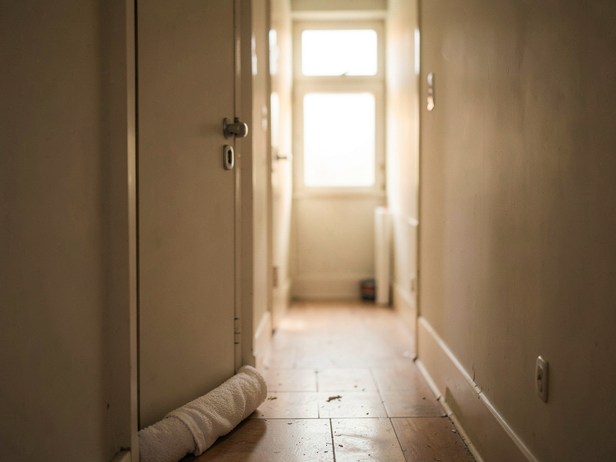
![Pet's New Home Waiting]()
Pet's New Home Waiting
Image credit : AI
Preparing for pets during house relocation. Ensuring comfort for my furry friends.
Who goes first: the case for the most anxious animal
The animal with the highest baseline anxiety should arrive first and have the longest window to settle before the others come in. This is almost always a cat, and almost always the cat that hides when a stranger rings the bell. Give that animal one room, a bathroom, a bedroom, anywhere with a closed door, with its litter box, water, a piece of unwashed bedding from the old home, and no foot traffic. Do not rush the introduction to the rest of the flat. That room is its territory now, and territory is what cats regulate stress with. A dog, by contrast, takes its territory cues more from you than from the space. A dog that sees you calm, hears a familiar command, and gets a short walk around the new building before being brought inside will orient faster than a cat left in an empty room that smells of paint. If you have two cats with a poor relationship, move them in separate carriers and give each a separate room. Do not let them share a settling space on day one.
Small animals, birds, and fish: the overlooked ones
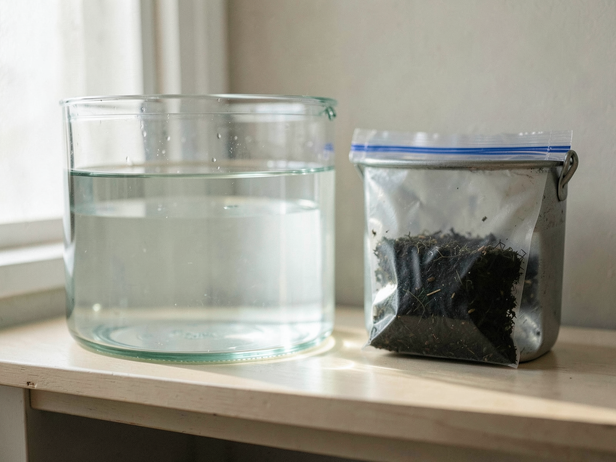
A rabbit in a carrier for four hours is not fine. Neither is a bird whose cage is placed next to a speaker playing the movers' instructions. Small animals and birds need to move in a temperature-stable, quiet environment, ideally in a personal vehicle rather than a moving truck, and they need to be set up in their permanent spot before the heavy furniture arrives and the noise starts. Fish tanks are a separate problem. A full tank cannot travel. The fish go into an aerated bucket or a purpose-built fish bag with tank water; the filter media stays wet in a sealed bag so the bacterial colony survives; the tank travels empty and is re-established at the new home before the fish go back in. Cycling a tank from scratch after a move, because the filter media dried out, takes weeks and costs fish. Do not let the movers handle the tank.
![Aquarium Prep Station]()
Aquarium Prep Station
Image credit : AI
Preparing my fish tank for a move. Relocating with pets in India requires careful planning.
The day itself: what to do with the animals while the movers are in
The safest place for every animal during the move is somewhere the movers are not. This means a friend's home, a boarding facility, or a locked room with a note on the door. An open front door and a stressed dog is a missing dog. A cat that slips behind a wardrobe being carried out is a cat that ends up in the wrong building. Book the boarding slot before you book the moving truck. If boarding is not possible, designate one person whose only job on the day is the animals, not packing, not directing movers, only the animals. That person does not open the animal room for any reason until the movers have left and the front door is closed.
The first week in the new home
Stress behaviour after a move is normal and temporary in most animals. A cat that stops eating for two days, a dog that barks at the walls, a rabbit that thumps at nothing, these are responses to sensory overload, not signs that something is permanently wrong. Keep feeding times, walk times, and play times as close to the old schedule as possible. The schedule is the one piece of the old home that travels with you. If a cat has not come out of its room after five days, or a dog is showing aggression it did not show before, or an animal stops eating beyond the two-day window, those are the signs that call for a vet, not more settling time. A vet can rule out a physical cause and, where needed, refer you to a veterinary behaviourist. The move is the stressor; the behaviour is the signal.