A bird left with an unprepared sitter is not simply inconvenienced. It is at real risk. Birds are prey animals by instinct, which means they suppress signs of illness until they are seriously unwell, and they can go from looking fine to critical in hours. A sitter who does not know what normal looks like for your specific bird will not notice the early signs. Getting this handover right is not overcaution, it is the difference between coming home to a healthy bird and coming home to an emergency.
What your sitter needs to observe every day
The single most important thing a sitter can do is watch the bird for ten minutes in the morning and note what is different from the day before. A bird that is normally loud and active and is now sitting quietly at the bottom of the cage, fluffed up, with eyes half-closed, is a bird in trouble. Write down your bird's baseline for the sitter: how much it usually eats and drinks, whether it is noisy or quiet by nature, how it reacts to the sitter's presence, and what its droppings normally look like. Droppings are a reliable health indicator. The solid dark portion, the white urate portion, and the liquid portion each tell you something. A sudden change in colour, consistency, or volume is worth a call to the vet. Give the sitter a photograph of healthy droppings so they have a reference.
![Fresh Greens in Ceramic Bowl]()
Fresh Greens in Ceramic Bowl
Image credit : AI
Healthy greens for my pet bird, ensuring their well-being.
Food and water: what is safe and what is not
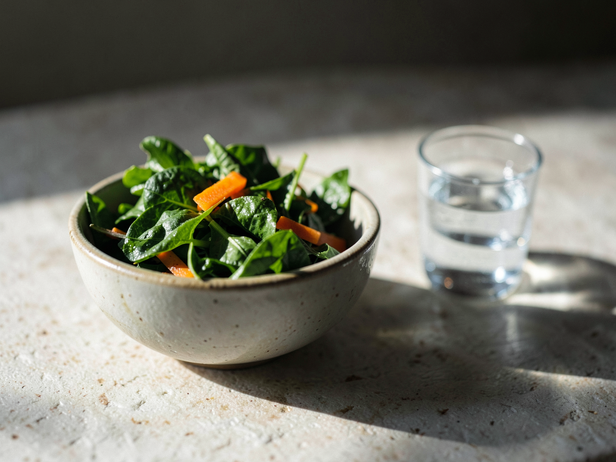
Birds are frequently poisoned by well-meaning people who assume that what is healthy for humans is fine for animals. Avocado is toxic to most bird species, the compound persin, found in the flesh, skin, and seed, can cause respiratory distress and death. Onion, garlic, chocolate, caffeine, alcohol, and anything with xylitol are also dangerous. Fruit seeds from apples, cherries, and stone fruits contain cyanogenic compounds and should never be given. Dairy is not toxic but birds lack the enzyme to digest lactose well, so skip it. Cooked plain rice, leafy greens, carrot, and fresh fruit without seeds are generally safe additions, but the safest instruction to a sitter is: stick to what is already in the house and do not experiment. Write out exactly what the bird eats, in what quantity, and at what time of day. Leave enough food for the full trip plus a buffer. If the bird eats a pellet diet, do not let the sitter substitute seeds thinking they are equivalent, the nutritional profiles are different and an abrupt switch causes digestive stress.
The environment a bird needs
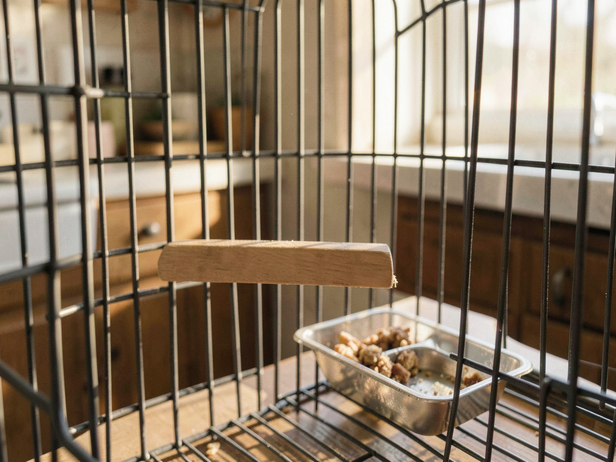
Temperature matters more than most sitters realise. Birds are sensitive to drafts and to rapid temperature changes. A cage placed near an air conditioner vent, a window that gets afternoon sun, or a kitchen where cooking fumes collect is a problem. Non-stick cookware releases fumes when overheated that are odourless to humans and rapidly fatal to birds, this is not a remote risk, it is a documented cause of bird death in Indian households where Teflon-coated pans are common. The sitter needs to know this, and the simplest rule is that the bird should not be in or adjacent to the kitchen when cooking is happening. Scented candles, incense, room sprays, and strong cleaning products are also respiratory hazards. Show the sitter exactly where the cage should stay, confirm it is away from these risks, and ask them not to move it.
![Birdcage Prepared for Absence]()
Birdcage Prepared for Absence
Image credit : AI
Preparing for a bird sitter requires ensuring a safe environment. This setup highlights essential pet bird care at home.
Handling, interaction, and what to leave alone
A bird that is bonded to you may become anxious with a stranger and behave differently, more aggressive, more withdrawn, or louder than usual. Tell the sitter not to force interaction. Talking to the bird from a distance, maintaining the usual daily routine, and keeping noise and disruption low is more useful than trying to bond over a few days. If your bird is not hand-tame, the sitter should not attempt to handle it. If it needs medication or a specific daily routine, walk the sitter through it in person before you leave, not over a voice note sent from the airport. Leave the vet's number, the nearest avian vet's number if those are different, and a clear instruction: if the bird is sitting at the cage bottom, not eating, or breathing with its tail bobbing, call the vet immediately and do not wait to see if it improves.
Before you leave: the handover checklist
A written sheet left with the cage does more than a verbal briefing that the sitter will half-remember. It should carry: the bird's name and species, its normal daily routine, its diet and feeding times, the location of food and supplies, emergency vet contact, your contact number and a backup contact, what the bird's healthy droppings look like, the list of toxic foods and household hazards, and the one instruction that overrides everything else, when in doubt, call the vet, do not wait. If you can, arrange a trial run where the sitter spends time with the bird while you are still home. A bird that has seen the sitter before is less stressed by the transition, and a sitter who has watched you handle the routine once is far better prepared than one reading instructions cold. The trip is yours to enjoy. The groundwork is yours to do before you go.