The moment the movers carry out the last box, your pet's medical continuity walks out with it. A new city means a new vet, and finding one under pressure, when your dog has swallowed something or your cat is straining to urinate, is the worst possible time to start looking. The search belongs in the weeks before you leave, not the days after you arrive.
Start with records, not recommendations
Before you look for a new vet, get everything your current one holds. Ask for a printed and digital copy of your pet's full history: vaccination dates, deworming records, any diagnosed conditions, surgical notes, and the results of recent blood work or imaging. If your pet is on a long-term medication, ask for enough supply to last six to eight weeks, enough time to find a new clinic, get an appointment, and have a proper consultation before the prescription runs out. A new vet seeing your animal for the first time cannot safely continue a medication they know nothing about. The records make that first appointment useful instead of a repeat of everything you already know.
![Medical Records and Medication]()
Medical Records and Medication
Image credit : AI
Preparing my pet's medical records for our move. Transferring pet medical records to new vet is crucial.
How to actually find a vet in a city you don't know yet
The most reliable starting point is not a Google search, it is other pet owners in that city. Neighbourhood groups on Facebook, Reddit threads for the city, and WhatsApp communities for apartment complexes in your new area will surface names that repeat. A clinic recommended twice by people who have used it in a non-emergency is worth more than five-star reviews from strangers. Once you have two or three names, look at what the clinic actually offers: does it have in-house diagnostics, or does it send samples out? Is there a vet on call after hours, or does it close at seven? For a pet with a known condition, a dog with epilepsy, a cat with kidney disease, you want a clinic that can run bloodwork on-site and reach you when results come back. For a healthy young animal, a well-run general practice is fine. The question is whether the clinic matches your pet's actual needs, not just your convenience.
The call you should make before you move
Once you have a shortlist, call the clinics. Not to book an appointment, just to ask a few things. How far in advance do new patients need to book for a routine visit? Do they see the species you have? Some clinics in metro areas have shifted to dogs and cats only; if you have a rabbit or a bird, confirm before you assume. Ask whether they require a referral from your previous vet or are happy to take on a new patient with records in hand. This call also tells you something the website cannot: how the front desk handles a straightforward question from a stranger. A clinic that puts you on hold for twelve minutes and then gives you a wrong answer is a preview of how it will handle a call when you are worried about your animal. Note what you learn and move the clinic up or down your list accordingly.
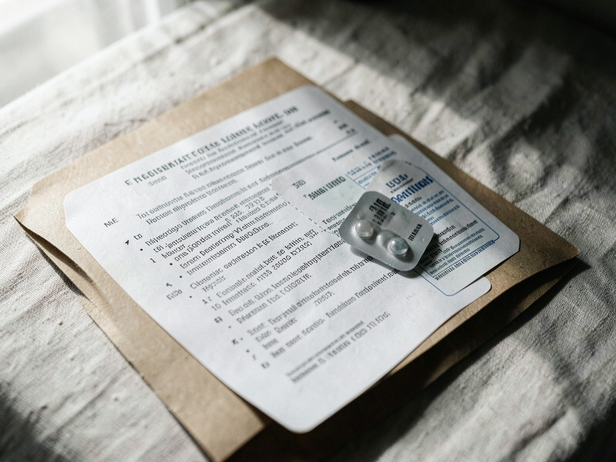
![Morning Desk Still Life]()
Morning Desk Still Life
Image credit : AI
Preparing for my move, I'm reviewing my pet relocation checklist India. New beginnings await.
What to do the week you arrive
Book a meet-and-greet or a wellness visit within the first two weeks, even if your pet is healthy. This is not a waste of an appointment, it is how your new vet establishes a baseline. Weight, heart rate, coat condition, dental health: a vet who has seen your animal when it is well is far better placed to notice when something is wrong. Bring the records. Walk the vet through the history yourself rather than assuming they will read the file before you sit down. Ask what they would do in an after-hours emergency, whether they handle it themselves or refer to a 24-hour facility, and if so, which one. Get that address and save it in your phone before you leave the clinic. The emergency facility is the number you hope never to use, but it is the one that matters most when the day comes.