Most pet-friendly listings in Indian cities are written by landlords who have never actually lived next to a barking dog or a cat that shredded a curtain. The phrase 'pets allowed' can mean anything from genuine welcome to grudging tolerance that evaporates at the first complaint. Before you hand over a deposit, ask these seven questions in writing and listen carefully to how the answers come.
1. Which species and how many?
Some landlords who say yes to a Beagle will say no to a Labrador, and many draw a hard line at dogs altogether while allowing cats. Ask specifically: your dog, your cat, or both if you have both. If you have two animals, say so. A landlord who discovers a second pet six months in has every reason to feel deceived, and you have little ground to stand on. Get the answer in the lease or in a written message, not in a corridor conversation.
![Dog's New Home]()
Dog's New Home
Image credit : AI
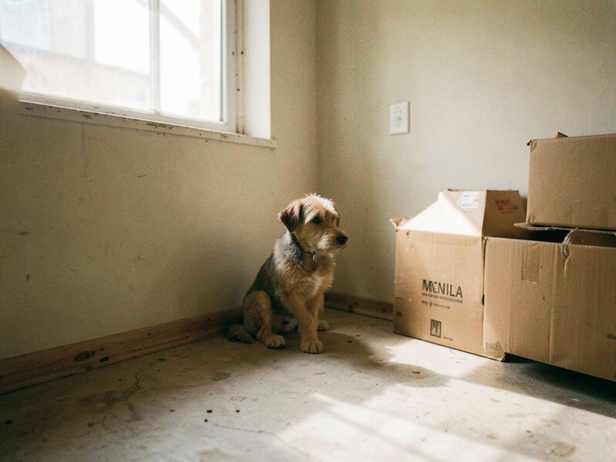
Settling into a new pet-friendly flat in India. This little one awaits their next adventure.
2. Are there breed or size restrictions?
Some housing societies have their own rules about large dogs or breeds they classify as aggressive, regardless of what your individual landlord believes. The landlord may be willing but the Residents Welfare Association may not. Ask whether the building or society has any such policy, and ask to see it in writing if one exists. Moving in and then being asked to remove your dog by the RWA is a situation that is entirely avoidable at this stage.
3. What counts as pet damage, and who decides?
Normal wear and tear and pet damage are genuinely different things, but the line between them is drawn differently by every landlord. A scratch on a skirting board, a faint smell in the carpet, a chewed doorframe corner, ask how these would be treated at the end of the tenancy. Who assesses the damage? What is the process if you disagree? This is the question most tenants skip and most disputes are about.
![Note, Keys, and Pen]()
Note, Keys, and Pen
Image credit : AI
Considering a pet-friendly flat in India? This scene evokes the quiet contemplation of home and responsibility.
4. Is there a pet deposit, and is it refundable?
Some landlords charge an additional deposit for pets, on top of the standard two or three months. This is legal and common. What varies is whether it is refundable, and under what conditions. Get the amount, the refund conditions, and the timeline in writing. A non-refundable pet fee is a different thing from a refundable deposit, and the difference matters when you leave.
5. Where can the animal go inside and outside the building?
Can your dog use the lift? Are there floors or common areas where animals are not allowed? Is there a garden or open area where your dog can relieve itself, and are there rules about when and how? A flat on the fourteenth floor with no lift access for dogs and no outdoor space nearby is a different living situation from what the listing suggested. Ask before you commit.
6. What happens if a neighbour complains?
This is the question landlords least enjoy, which is exactly why it matters. Ask what the process is if another tenant or a society member raises a complaint about noise or allergies. Does the landlord mediate? Does the society have a formal process? Is there a point at which you could be asked to leave, and what notice would you get? A landlord who has thought this through and has a clear answer is a different kind of landlord from one who says 'it won't be a problem'.
7. Can you put the pet terms in the lease?
Everything you have discussed means very little if it is not in the rental agreement. Ask for a pet addendum or a clause in the main lease that names the animal, confirms permission, states any deposit terms, and describes what counts as damage. A landlord who is genuinely comfortable with your pet will have no objection to writing it down. Reluctance to commit anything to paper is information.