
Beach Holidays with Pets: Do’s and Don’ts
Upasna Yadav | Apr 15, 2026, 14:31 IST

Pet Enjoying a Beach Day
Image credit : Pexels
Beach holidays can be a refreshing and joyful experience not just for you, but for your pets as well. The open space, fresh air, and natural surroundings offer great opportunities for exercise and bonding. However, beaches also come with unique risks such as heat, saltwater, and unfamiliar environments. Understanding the right approach ensures your pet stays safe, comfortable, and happy throughout the trip.
Highlights
1. Beach trips can be fun when planned with your pet’s safety and comfort in mind. Always carry fresh water to prevent dehydration and avoid seawater intake.
2. Protect pets from heatstroke, sunburn, and hot sand surfaces. Watch for early signs of stress or fatigue during playtime. Keep pets under supervision to avoid strong waves, currents, or getting lost.
3. Rinse off salt and sand after the visit to maintain skin and coat health. Use leashes and follow beach rules for better control and safety.
2. Protect pets from heatstroke, sunburn, and hot sand surfaces. Watch for early signs of stress or fatigue during playtime. Keep pets under supervision to avoid strong waves, currents, or getting lost.
3. Rinse off salt and sand after the visit to maintain skin and coat health. Use leashes and follow beach rules for better control and safety.
Why Beach Trips Can Be Beneficial for Pets ?
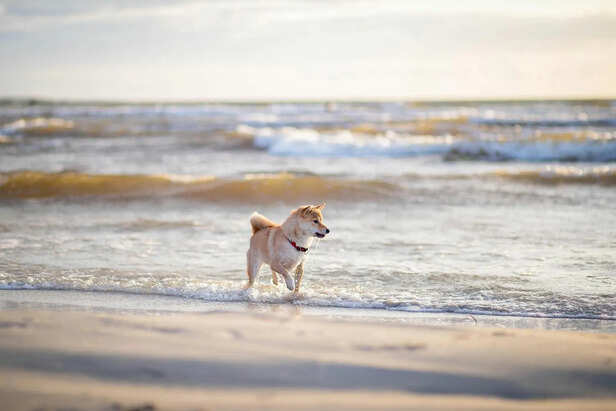
Protecting Pets from Hot Sand
Image credit : Pexels
A well-planned beach outing can provide:
- Physical exercise through running and swimming
- Mental stimulation from new sights and smell
- Stress relief in a natural, open environment
- Stronger bonding between pet and owner
Do’s: How to Ensure a Safe and Fun Beach Trip ?

Keeping Pets Hydrated at the Beach
Image credit : Pexels
1. Check If the Beach Is Pet-Friendly
Always confirm whether pets are allowed. Some beaches have restrictions or specific zones for animals.
2. Carry Fresh Water and Food
Saltwater is harmful if ingested. Ensure your pet has access to clean drinking water to stay hydrated.
3. Use Sun Protection
4. Keep Your Pet on a Leash (If Required)
Even well-trained pets can get distracted in new environments. A leash ensures control and safety.
5. Rinse After Swimming
6. Watch for Signs of Heatstroke
- Excessive panting
- Drooling
- Weakness or dizziness
7. Pack a Pet Travel Kit
- Towels
- Waste bags
- First aid supplies
- Favorite toys
Don’ts: Common Mistakes to Avoid
1. Don’t Let Pets Drink Seawater
2. Avoid Hot Sand
3. Don’t Ignore Tides and Waves
4. Avoid Overexertion
5. Don’t Leave Your Pet Unattended
6. Avoid Feeding Right Before Swimming
Understanding Your Pet’s Behavior at the Beach

Post-Beach Pet Care
Image credit : Pexels
Pets may react differently in a beach setting:
- Excitement: Running, jumping, exploring
- Anxiety: Hiding, whining, or staying close
- Curiosity: Sniffing, digging, chasing waves
Celebrate the bond with your pets, explore Health & Nutrition, discover Breeds, master Training Tips, Behavior Decoder, and set out on exciting Travel Tails with Times Pets!
Frequently asked question (FAQs)
- Is it safe to take pets to the beach?
Yes, it is safe if proper precautions are taken. Ensuring hydration, shade, and supervision can make the experience enjoyable and risk-free. - How can I protect my pet from heat at the beach?
Avoid peak afternoon hours, provide shaded areas, offer plenty of fresh water, and limit physical activity to prevent overheating. - Can pets swim in the ocean?
Some pets, especially dogs, can swim, but always supervise them. Strong waves and currents can be dangerous even for good swimmers.