
Why Search and Rescue Team Depend on Dogs?
Tanisha Kumari | Dec 19, 2025, 12:55 IST

Search and Rescue Teams
( Image credit : Freepik )
Search and Rescue dogs are indispensable partners in disaster response. Their extraordinary olfactory abilities, speed, adaptability and specialized training make them more effective than many modern technologies. Beyond operational efficiency, their bond with handlers and emotional impact on survivors make them true heroes in rescue missions.
When disaster strikes or a person goes missing, every second counts. Earthquakes, floods, avalanches and building collapses demand speed, qualities like accuracy and resilience that search and rescue teams around the world consistently find in only one partner which is dogs. Despite advances in technology like drones and thermal cameras, trained search and rescue (SAR) dogs remain one of the most reliable and life saving assets in emergency operations.
Unmatched Sense of Smell
Speed and Efficiency That Save Lives

Air scent dogs
( Image credit : Freepik )
Time is critical in rescue operations especially the first 24 to 72 hours after a disaster. Dogs cover large areas quickly and efficiently by working faster than multiple human searchers combined. An air scent dog, for example scans vast zones by detecting scent carried by the wind significantly reducing search time. Their stamina and focus allow teams to act swiftly increasing the chances of finding survivors alive.
Ability to Work Where Technology Falls Short
Specialized Training and Versatility
Training
( Image credit : Unsplash )
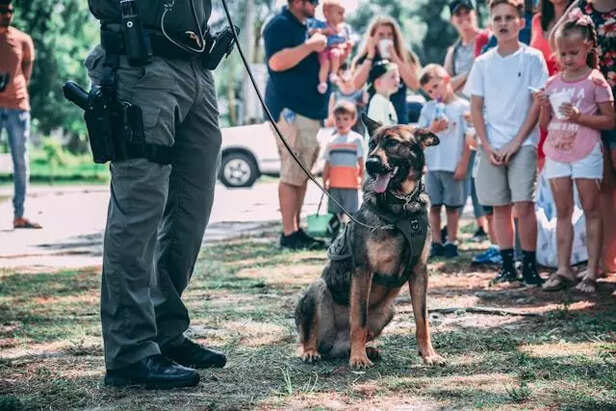
Search and rescue dogs undergo rigorous training from a young age. They are taught obedience, agility, scent identification and specific alert behaviours like barking or sitting to signal a find. There are different types of SAR dogs including tracking dogs, air scent dogs, cadaver detection dogs and water search dogs and each of them are trained for specific scenarios. Continuous training and certification ensure these dogs remain dependable under pressure.
Human & Dog Bond and Emotional Impact
Search and rescue dogs are not just tools but they are heroes and symbols of hope. Their extraordinary senses, speed, adaptability and emotional intelligence make them irreplaceable in life saving operations. Even in an age of advanced technology, the instincts and loyalty of dogs continue to prove that some of the most powerful rescue tools come with four legs and a wagging tail.
Celebrate the bond with your pets, explore Health & Nutrition, discover Breeds, master Training Tips, Behavior Decoder, and set out on exciting Travel Tails with Times Pets!
Frequently Asked Questions (FAQs)
- Which dog is mostly used by police?
German Shepherd breed is mostly used by the police - Why are dogs used in crime detection?
They have an acute olfactory sense so they are used in crime detection. - What happens to retired police dogs?
Most K-9s after active service go home with their handlers to become household pets.