
Why Routine Works Better Than Harsh Training for Pets
Tanisha Kumari | Jan 07, 2026, 06:49 IST

Pet training
Image credit : Pixabay
Here it explains why predictable routines are more effective than strict or fear based training for pets. It highlights how routine reduces anxiety, strengthens trust, teaches faster through repetition and prevents behavioural issues. Unlike harsh discipline, which harms emotional connection, routine nurtures cooperation and long term good behaviour.
Pet parent wants a well behaved companion but many still believe strict discipline is the fastest way to achieve it. In reality, animals do not learn the way humans do. Fear based or harsh training may produce short term obedience but it damages trust and increases anxiety. A predictable daily routine, on the other hand helps pets feel safe, understood and more willing to cooperate.
Routine Reduces Anxiety and Builds Security
![Routine]()
Pets thrive on predictability. Knowing when they will eat, walk, play and rest gives them a sense of control over their environment. When life feels stable, stress levels drop and calm pets are far more responsive to guidance. Harsh training creates uncertainty and fear which triggers defensive behaviours like barking, hiding or aggression. Routine replaces anxiety with confidence.
Learning happens through repetition. When feeding the dog after a walk or cleaning the litter box at the same time every day the pet begins to link actions with outcomes. This natural learning process is more effective than scolding which only teaches the pet to avoid you and not the behaviour. A consistent schedule quietly reinforces what is expected without confusion.
The pet does not just follow rules but they follow relationships. When their owner's actions are reliable, their pet trusts them as the source of safety and care. This trust encourages cooperation. In contrast harsh methods damage emotional connection making pets hesitant, withdrawn or reactive. A strong bond created through routine makes training feel like teamwork rather than control.
Predictable Structure Prevents
![Predictability]()
Common issues like excessive barking, destructive chewing, indoor accidents stem from boredom, stress or unmet needs. A well planned routine where pet gets regular exercise, mental stimulation and rest is a good way to go. Meeting these needs proactively prevents problem behaviours before they start reducing the need for correction altogether.
Animals learn best through positive reinforcement and habit formation. When good behaviour is consistently rewarded like sitting before meals or staying calm during grooming it becomes automatic. Routine turns training moments into everyday habits making obedience effortless. Harsh discipline may stop behaviour temporarily but it rarely leads to lasting change.
Pets do not need strict control to behave well as they need clarity, consistency and care. A simple routine offers structure without fear, guidance without force and discipline without damage. By replacing harsh training with predictable daily habits a calmer environment is created and a happier, better behaved companion. In the long run, routine does not just train the pet but also transforms the relationship.
Celebrate the bond with your pets, explore Health & Nutrition, discover Breeds, master Training Tips, Behavior Decoder, and set out on exciting Travel Tails with Times Pets!
Routine Reduces Anxiety and Builds Security

Routine
Image credit : Unsplash
Pets thrive on predictability. Knowing when they will eat, walk, play and rest gives them a sense of control over their environment. When life feels stable, stress levels drop and calm pets are far more responsive to guidance. Harsh training creates uncertainty and fear which triggers defensive behaviours like barking, hiding or aggression. Routine replaces anxiety with confidence.
Consistency Teaches Faster Than Fear
Routine Strengthens Trust and Bonding
Predictable Structure Prevents Behavioural Problems
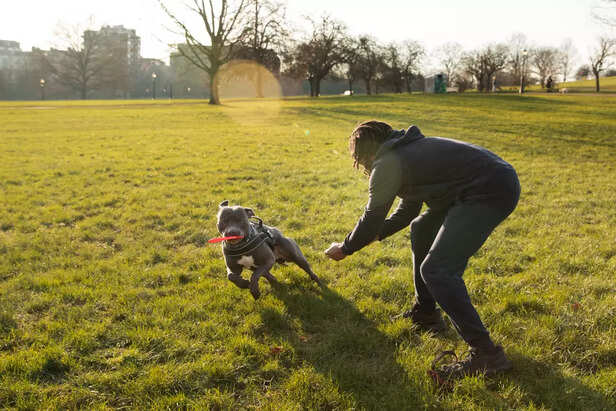
Predictability
Image credit : Freepik
Common issues like excessive barking, destructive chewing, indoor accidents stem from boredom, stress or unmet needs. A well planned routine where pet gets regular exercise, mental stimulation and rest is a good way to go. Meeting these needs proactively prevents problem behaviours before they start reducing the need for correction altogether.
Routine Supports Natural Learning Patterns
Pets do not need strict control to behave well as they need clarity, consistency and care. A simple routine offers structure without fear, guidance without force and discipline without damage. By replacing harsh training with predictable daily habits a calmer environment is created and a happier, better behaved companion. In the long run, routine does not just train the pet but also transforms the relationship.
Celebrate the bond with your pets, explore Health & Nutrition, discover Breeds, master Training Tips, Behavior Decoder, and set out on exciting Travel Tails with Times Pets!