
Stop Saying No to Your Pet, Try This Instead
Areeba Ayub | Apr 27, 2026, 12:26 IST

Stop Saying No to Your Pet. Try This Instead
Image credit : Freepik
Saying no is one of the most common reactions when pets do something wrong. But constant use of the word can confuse them and even affect their behavior. Pets do not always understand what no means. What they need is clear guidance and positive direction. This article explains why saying no does not always work and what you can do instead to improve your pet’s behavior.
Pets do not naturally understand human language. When you say no again and again, it may only sound like noise to them.
They may stop for a moment because of your tone, but they often do not understand what exactly they did wrong. This leads to repeated behavior and frustration for both you and your pet.
What Your Pet Actually Needs
What Your Pet Actually Needs
Image credit : Freepik
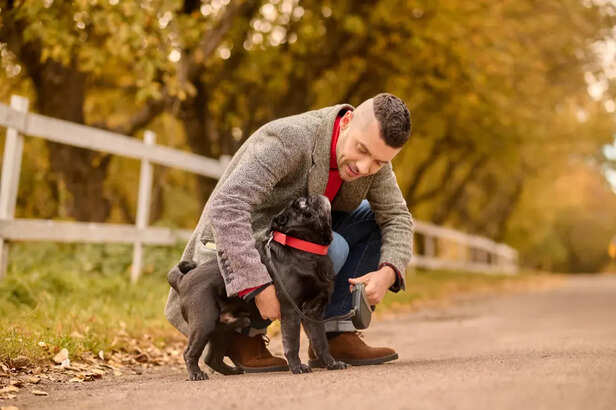
Instead of just hearing what not to do, pets need to learn what they should do.
Clear instructions help them understand expectations. When you guide them in the right direction, they learn faster and feel more confident.
Use Clear and Simple Commands
Use Clear and Simple Commands
Image credit : Freepik
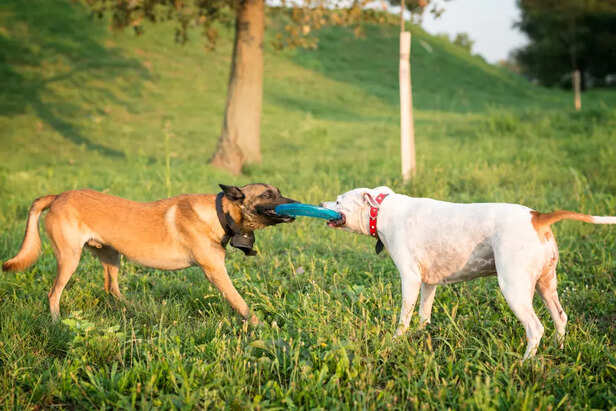
Instead of saying no, use specific commands that explain the action.
For example:
- Say sit instead of no jumping
- Say leave it instead of no touching
- Say come instead of no running away
Redirect the Behavior
Redirect the Behavior
Image credit : Freepik
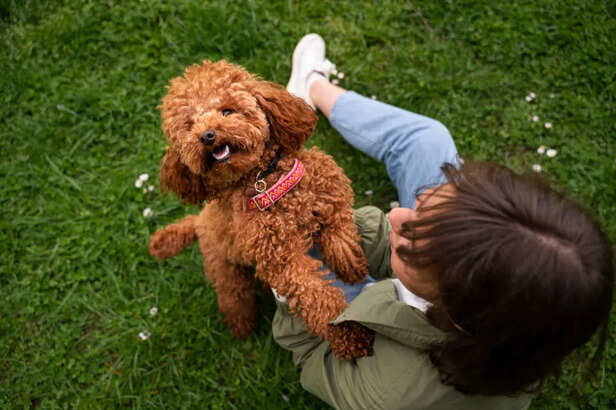
If your pet is doing something wrong, guide them toward a better option.
If they are chewing furniture, give them a toy.
If they are jumping, ask them to sit.
Redirection teaches your pet what is acceptable.
Reward Good Behavior

Reward Good Behavior
Image credit : Freepik
Positive reinforcement is one of the best ways to train your pet.
When your pet behaves well, reward them with treats, praise, or affection. This encourages them to repeat the behavior.
Over time, they start choosing the right actions on their own.
Be Consistent Every Day

Be Consistent Every Day
Image credit : Freepik
Consistency is key in training. If you change your reactions often, your pet may get confused.
Use the same commands and responses daily. This helps your pet learn faster and build habits.
Stay Calm and Patient

Stay Calm and Patient
Image credit : Freepik
Pets learn best in a calm environment. Shouting or getting angry can create fear instead of understanding.
A patient approach builds trust and makes training more effective.
Small Changes, Big Results
Small Changes, Big Results
Image credit : Freepik
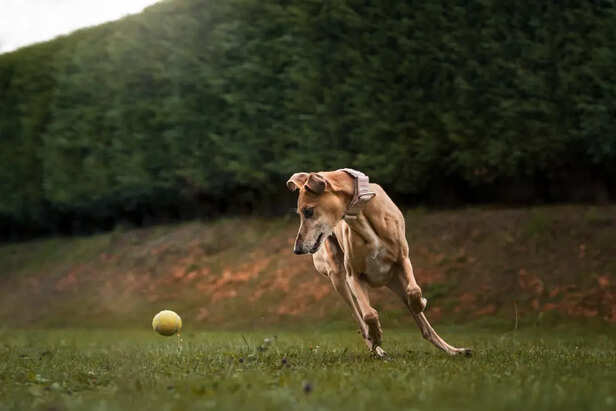
Replacing no with clear guidance may seem simple, but it creates a big impact.
Your pet feels more secure, understands better, and responds more positively.
Training your pet is not about stopping behavior, but about shaping it in the right way. Instead of repeating no, focus on guiding and teaching. With clear communication, patience, and positive reinforcement, you can build a stronger bond and see better results. The way you speak to your pet can truly change the way they behave.
Celebrate the bond with your pets, explore Health & Nutrition, discover Breeds, master Training Tips, Behavior Decoder, and set out on exciting Travel Tails with Times Pets!