
How to Train Your Dog With Rewards
Pixabay | Sept 07, 2025, 20:35 IST

dog
Image credit : Pixabay
Reward-based training is a proven and humane way to teach dogs obedience while building a strong bond with their owners. This article explains how positive reinforcement works, the best types of rewards to use, and step-by-step methods to train effectively. It also covers common mistakes to avoid and shows how this approach boosts a dog’s confidence, reduces anxiety, and turns training into an enjoyable experience for both pet and owner.
dog
Image credit : Pixabay
Training a dog is not just about teaching commands—it’s about promoting trust, communication, relation and mutual respect. Among the many approaches available the reward-based training strick out as one of the most effectual, humane, and scientifically proven way.This positive reinforcement approach helps your dogs to learn good behavior while building the bond you share with your dog, by linking generous behavior with positive outcomes, you encourage your dog to learn willingly while building a trust.
Why Rewards Works:

happy dog
Image credit : Pixabay
Choosing the Right Rewards:
dog toy
Image credit : Pixabay
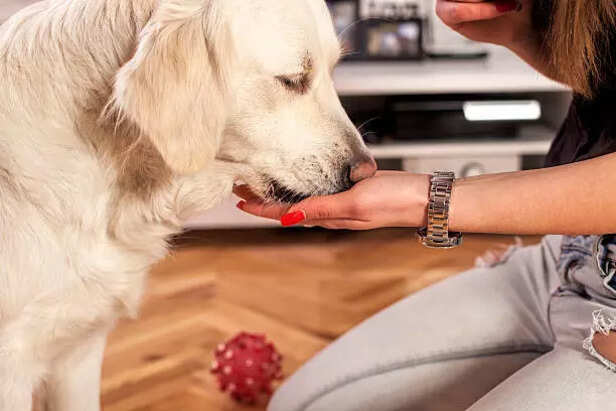
Food Rewards: Sometimes small, healthy treats are the most common and effective to encourage your dog.
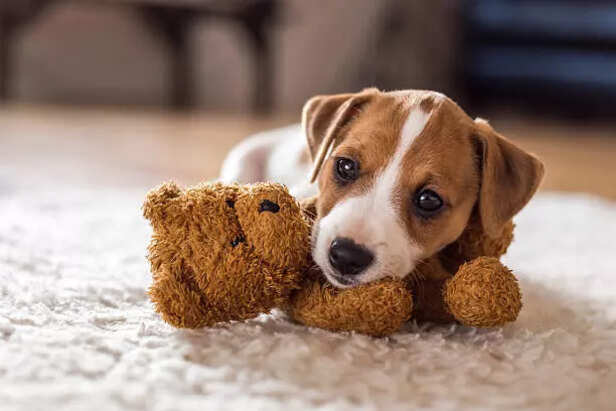
Toys: For energetic dogs, a ball or squeaky toy can be more exciting than food.
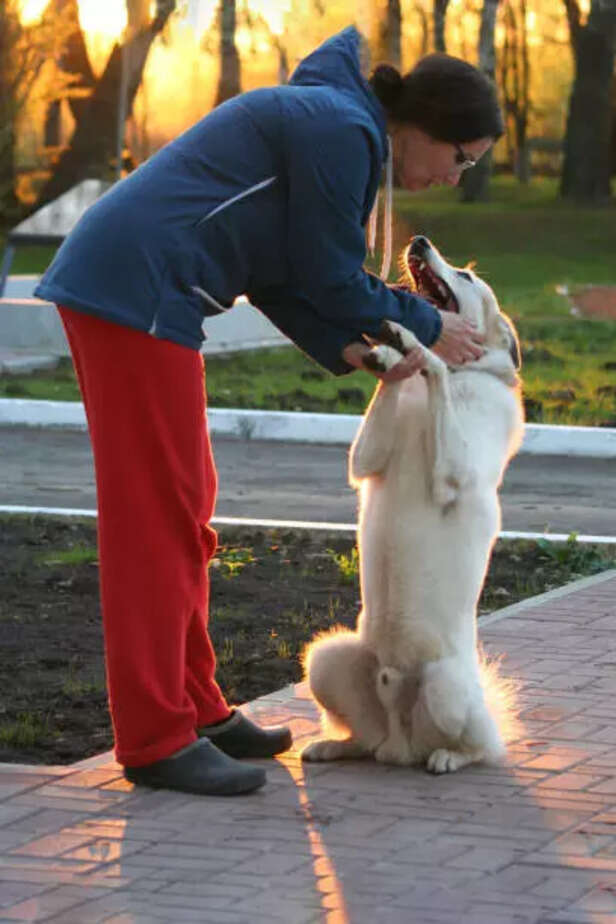
Praise and Affection: A warm voice, petting, or belly rubs can be powerful motivators for affectionate dogs.
Key Steps for Successful Training:
2. Be Constant: Use the same words and signals each and every time to your dog.
3. Reward Instantly: Offer the reward as soon as the desired behavior happens, because timing matters
4. Keep Sessions Short: Dogs learn best in 5–10 minute sessions repeated throughout the day so keep the session.
5. Gradually Fade Out Treats: Once the action is done, replace frequent treats with loud praise or occasional rewards to maintain consistency without over-relay on food.
Mistakes to Avoid
1. Overfeeding
When using food as a rewards, it’s easy to get carried away. Too many treats a day can quickly lead to weight gain yiur dog and cause health issues such as obesity, joint problems, or digestive troubles. To prevent this, choose small, low-calorie treats or even you can break larger ones into tiny pieces. The goal is to reward behavior, not to fill your dog’s stomach. You can also use a portion of your dog’s regular meal as training treats to balance calorie intake of your dog.
2. Inconsistent Commands
Dogs learn best when instructions are clear and constant. If one family member says down while another one says lie down for the same action, your dog may become confused and even slower to respond to the signals. Consistency in each and every words , tones and even hand signals is very important. It’s helpful for the entire household to agree on specific types of commands before starting training of your dog , ensuring your dog gets a uniform message from everyone.
3.Delayed Rewards
Timing plays a important role in positive support to your dog . A reward given too late even after just a few second can cause your dog to connect the treat with a different behavior than the one you planned. For example, if you ask your dog to sit and then give the reward when it stands up, your dog may think standing earned the treat. To avoid this, always deliver rewards instantly after the correct action is done , so your dog clearly links the behavior with the good outcome.
Beyond Obedience :
dog praise
Image credit : Pixabay