
Is It Too Late to Train an Adult Dog?
Tanisha Kumari | Jan 06, 2026, 17:32 IST

Adult dog
Image credit : Freepik
Here it challenges the myth that only puppies can be trained, showing that adult dogs are lifelong learners capable of forming new habits and behaviors. It highlights the advantages of training mature dogs, the challenges they may face and proven techniques that make training effective. Ultimately, training adult dogs strengthens trust, communication and the human-animal bond.
Dog owners believe that training only works during puppyhood. Once a dog reaches adulthood then bad habits seem 'set in stone' and learning new behaviours feel impossible. But with the right approach adult dogs learn just as effectively and in some cases even better than puppies.
Can Adult Dogs Really Learn New Behaviours?
![training]()
Dogs are lifelong learners and their brains are capable of forming new connections well into old age. Just like humans dogs also adapt to routines, rewards and consistent guidance. Whether it is basic obedience, leash manners or correcting unwanted behaviours, adult dogs can be trained. Rescue dogs, therapy dogs and working dogs are trained after maturity and go on to excel. Age may affect energy levels but it does not eliminate the ability to learn.
Training an adult dog comes with unexpected advantages. Unlike puppies adult dogs have better focus, longer attention spans and more emotional maturity. They are past teething, hyperactivity and constant accidents that make puppy training exhausting. Adults are also more capable of understanding cause and effect meaning they quickly link actions with rewards. For busy owners this translates to faster progress and fewer setbacks.
Adult dogs also come with preexisting habits that need to be reshaped. Behaviours like pulling on the leash, jumping on people or anxiety around strangers takes time to modify. Rescue dogs also carry fear or trauma from past experiences. Physical limitations like arthritis or reduced stamina influence training style as well. These challenges do not make training impossible but they simply require patience, compassion and realistic expectations.
Proven Techniques That Work Best for Adult Dogs
![Adult dog training]()
Positive reinforcement is an effective method for adult dog training. Rewarding good behaviour with treats, praise or play builds confidence and trust. Keep training sessions short, clear and consistent for 5 to 10 minutes at a time works best. Avoid punishment based techniques which increases fear and confusion in them. Tools such as leashes, crates and structured routines help manage behaviour while training is in progress. For complex issue like aggression or severe anxiety working with a certified trainer or behaviourist makes all the difference.
It is never too late to train an adult dog. While training may take a different path than it does with puppies, they bring maturity, focus and emotional depth that makes all the learning deeply rewarding. Training is not just about obedience but it is about communication, trust and strengthening the bond.
Celebrate the bond with your pets, explore Health & Nutrition, discover Breeds, master Training Tips, Behavior Decoder, and set out on exciting Travel Tails with Times Pets!
Can Adult Dogs Really Learn New Behaviours?

training
Image credit : Freepik
Dogs are lifelong learners and their brains are capable of forming new connections well into old age. Just like humans dogs also adapt to routines, rewards and consistent guidance. Whether it is basic obedience, leash manners or correcting unwanted behaviours, adult dogs can be trained. Rescue dogs, therapy dogs and working dogs are trained after maturity and go on to excel. Age may affect energy levels but it does not eliminate the ability to learn.
Why Training an Adult Dog is Easier Than Training a Puppy
Common Challenges in Adult Dog Training
Proven Techniques That Work Best for Adult Dogs
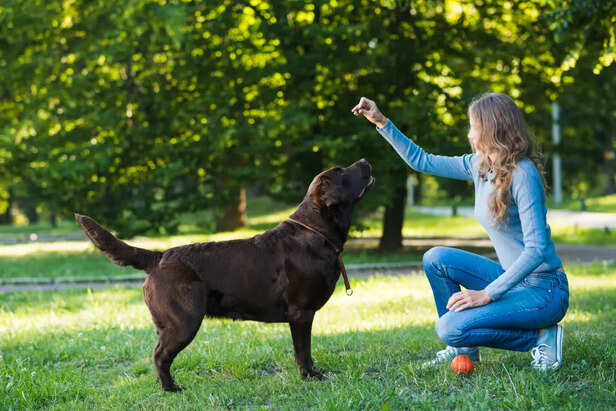
Adult dog training
Image credit : Freepik
Positive reinforcement is an effective method for adult dog training. Rewarding good behaviour with treats, praise or play builds confidence and trust. Keep training sessions short, clear and consistent for 5 to 10 minutes at a time works best. Avoid punishment based techniques which increases fear and confusion in them. Tools such as leashes, crates and structured routines help manage behaviour while training is in progress. For complex issue like aggression or severe anxiety working with a certified trainer or behaviourist makes all the difference.
It is never too late to train an adult dog. While training may take a different path than it does with puppies, they bring maturity, focus and emotional depth that makes all the learning deeply rewarding. Training is not just about obedience but it is about communication, trust and strengthening the bond.
Celebrate the bond with your pets, explore Health & Nutrition, discover Breeds, master Training Tips, Behavior Decoder, and set out on exciting Travel Tails with Times Pets!