
How to Make Your Bird Talk Faster (Hidden Trick)
Noopur Kumari | May 07, 2026, 11:11 IST

Bird Talk Faster
Image credit : Pexels
At first, it seems simple just repeat words and your bird will copy. But that’s not how it really works. Birds don’t learn from random noise; they learn from connection, emotion, and consistent patterns. The surprising part? Many owners unknowingly slow down their bird’s progress. Not because they’re doing nothing but because they’re doing the wrong things at the wrong time. Inconsistent tones, noisy environments, or lack of bonding can confuse your bird. But once you understand how birds actually learn, everything shifts. And suddenly, your bird begins to respond faster, clearer, and more confidently than you expected.
What if your bird could say its first word sooner than you think? You repeat “hello” every day. You wait. You hope. But nothing happens. Or worse your bird picks up random sounds instead. It feels confusing, even frustrating. Because talking birds look easy… until you try it yourself. But here’s the truth this isn’t about luck or talent. It’s about using the right method at the right time. Birds don’t just copy words they respond to patterns, emotions, and connection. Change the way you teach, and you may be surprised how quickly your bird begins to respond.
![Bird Bonding Moment]()
Before your bird speaks, it needs to trust you. A comfortable bird is more likely to mimic your voice. Sit near your bird daily, talk softly, and use a calm tone. Don’t rush the process. Birds learn from those they feel safe with. If your bird is relaxed around you, it naturally pays more attention to your sounds. This connection becomes the foundation of speech. Without trust, even repeated words won’t work effectively. So focus on bonding first because a secure bird learns faster than a stressed one.
![Teaching Basic Words]()
Start small. Words like “hello,” “bye,” or your bird’s name are perfect. Keep your tone consistent every time. Birds recognize patterns, not complexity. Repeating the same word during the same moment like greeting your bird in the morning creates association. Avoid long sentences early on. Short words are easier to copy and remember. Practice in short sessions, multiple times a day. Consistency matters more than duration. Over time, your bird begins to connect sound with situation and that’s when real learning begins.
Birds respond strongly to positive reactions. When your bird tries to mimic a sound, even imperfectly, respond with excitement. Offer praise or a small treat. This tells your bird that speaking brings rewards. Over time, it repeats the behavior more often. Avoid punishment or forcing repetition it creates stress and slows learning. Keep the experience enjoyable. A happy bird experiments more. And the more it tries, the faster it improves. Positive reinforcement turns small attempts into real words.
Your bird hears everything but learns from what stands out. In a noisy room, your voice gets lost among TV sounds and background noise. That’s why some birds learn ringtones before words. To fix this, train in a quiet space where your voice is clear. Choose the same time daily for practice. Birds thrive on routine. Morning and evening sessions work best. A calm, consistent environment helps your bird focus better and remember faster. The clearer the sound, the quicker the learning.
Birds don’t just copy sounds they copy energy. A flat “hello” is forgettable. But an excited, warm tone grabs attention. Say words with feeling. Smile. Show enthusiasm. Your bird senses this emotional shift and finds the sound more interesting. This increases the chance of imitation. Interaction also matters. Make eye contact, respond to your bird, and turn training into a shared moment. Learning becomes fun, not forced. And when it feels like play, your bird naturally learns faster.
Celebrate the bond with your pets, explore Health & Nutrition, discover Breeds, master Training Tips, Behavior Decoder, and set out on exciting Travel Tails with Times Pets!
1. How long does it take for a bird to start talking?
It depends on the species and training consistency. Some birds begin mimicking within weeks, while others may take months. Patience and daily practice are key.
2. Which birds learn to talk the fastest?
Species like African grey parrot, budgerigar (budgie), and some cockatiel are known for strong mimicry skills.
3. Why is my bird not talking despite training?
Common reasons include lack of trust, inconsistent training, noisy environments, or using complex words too early. Birds need connection and repetition to learn.
4. Can older birds learn to talk?
Yes, but younger birds often learn faster. Older birds can still pick up words with patience and consistent training.
5. How many words should I teach at once?
Start with one or two simple words. Too many words can confuse your bird and slow down learning.
Trust Comes Before Words
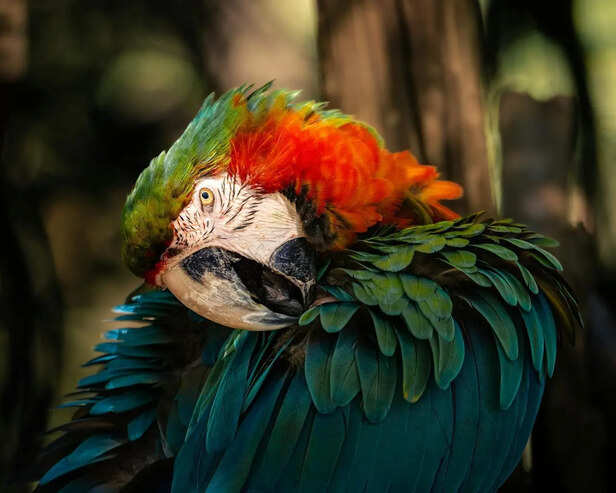
Bird Bonding Moment
Image credit : Pexels
Before your bird speaks, it needs to trust you. A comfortable bird is more likely to mimic your voice. Sit near your bird daily, talk softly, and use a calm tone. Don’t rush the process. Birds learn from those they feel safe with. If your bird is relaxed around you, it naturally pays more attention to your sounds. This connection becomes the foundation of speech. Without trust, even repeated words won’t work effectively. So focus on bonding first because a secure bird learns faster than a stressed one.
Simple Words Work Best
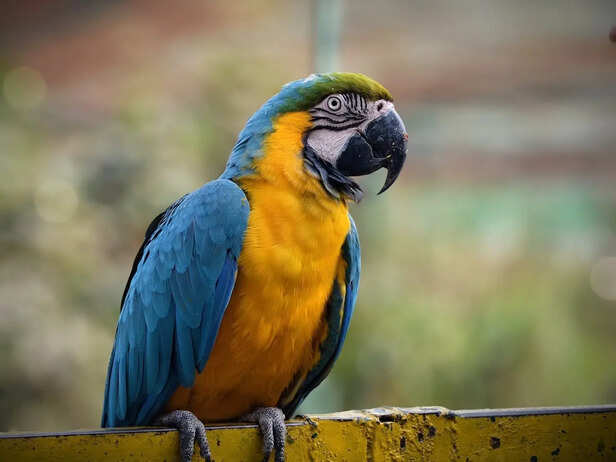
Teaching Basic Words
Image credit : Pexels
Start small. Words like “hello,” “bye,” or your bird’s name are perfect. Keep your tone consistent every time. Birds recognize patterns, not complexity. Repeating the same word during the same moment like greeting your bird in the morning creates association. Avoid long sentences early on. Short words are easier to copy and remember. Practice in short sessions, multiple times a day. Consistency matters more than duration. Over time, your bird begins to connect sound with situation and that’s when real learning begins.
Rewards Speed Up Learning
Quiet Space Makes a Big Difference
Emotion Makes Words Memorable
Celebrate the bond with your pets, explore Health & Nutrition, discover Breeds, master Training Tips, Behavior Decoder, and set out on exciting Travel Tails with Times Pets!
Frequently Asked Questions (FAQs)
It depends on the species and training consistency. Some birds begin mimicking within weeks, while others may take months. Patience and daily practice are key.
2. Which birds learn to talk the fastest?
Species like African grey parrot, budgerigar (budgie), and some cockatiel are known for strong mimicry skills.
3. Why is my bird not talking despite training?
Common reasons include lack of trust, inconsistent training, noisy environments, or using complex words too early. Birds need connection and repetition to learn.
4. Can older birds learn to talk?
Yes, but younger birds often learn faster. Older birds can still pick up words with patience and consistent training.
5. How many words should I teach at once?
Start with one or two simple words. Too many words can confuse your bird and slow down learning.