
From Dominance to Delight: The Indian Revolution in Dog Training
Hindveer | Aug 04, 2025, 12:40 IST

team work
Image credit : Pixabay
The old way of thinking about dog training is dead. It was a world of dominance, choke chains, and the belief that you had to "show your dog who's boss." For decades, this philosophy, rooted in outdated and debunked theories, cast a long shadow over pet ownership worldwide, including in India. But a quiet, yet powerful revolution has been brewing, one that is transforming the relationship between Indian owners and their four-legged family members. This isn't just about teaching a dog to sit; it’s a seismic shift from force to friendship, from fear to fun. Welcome to the era of Positive Reinforcement Training.
Imagine a world where your dog joyfully rushes to you, not because they fear punishment, but because they are eager to earn a treat, a favorite toy, or a scratch behind the ears. This is the reality being crafted in homes, parks, and training centers across India today. Positive reinforcement is a simple yet profoundly effective concept: reward the behaviors you want to see more of, and ignore or redirect the behaviors you don't. It's science, psychology, and compassion rolled into one, and it's producing some truly mind-blowing results.
![new ways of dog training]() For generations, Indian pet owners were told to "dominate" their dogs. The result? Stressed-out pets, strained relationships, and a cycle of frustration for both human and animal. The change began with a new generation of trainers and dedicated owners who sought a better way. They looked at the latest behavioral science and discovered that dogs, far from being rebellious pack animals in need of an iron fist, are intelligent beings who thrive on cooperation and clear communication.
For generations, Indian pet owners were told to "dominate" their dogs. The result? Stressed-out pets, strained relationships, and a cycle of frustration for both human and animal. The change began with a new generation of trainers and dedicated owners who sought a better way. They looked at the latest behavioral science and discovered that dogs, far from being rebellious pack animals in need of an iron fist, are intelligent beings who thrive on cooperation and clear communication.
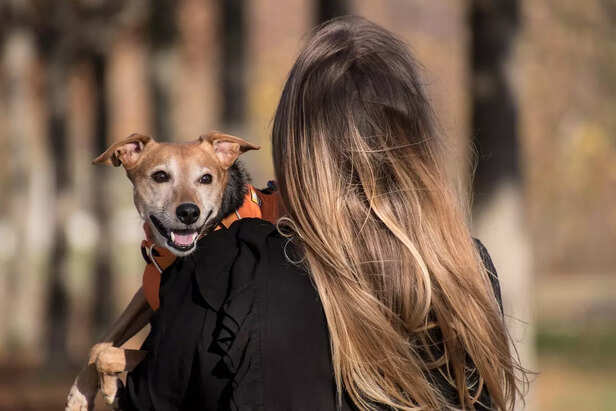
![sensitive training]() The stories emerging from this movement are not just inspiring; they are astonishing. Take, for instance, the case of a stubborn street rescue who refused to walk on a leash. The owner, a young software engineer from Bengaluru, had tried everything from harsh corrections to coaxing. Nothing worked. Desperate, he enrolled in a positive reinforcement workshop. The trainer suggested a simple game: every time the dog took a single step forward with the leash on, he got a high-value treat a tiny piece of chicken. The owner started with a single step, then two, then a full minute of walking. Within a month, the once-terrified dog was prancing confidently on his walks, his tail wagging, his eyes locked on his owner in happy anticipation. The transformation wasn't a forceful subjugation of will; it was a collaborative dance of trust and reward.
The stories emerging from this movement are not just inspiring; they are astonishing. Take, for instance, the case of a stubborn street rescue who refused to walk on a leash. The owner, a young software engineer from Bengaluru, had tried everything from harsh corrections to coaxing. Nothing worked. Desperate, he enrolled in a positive reinforcement workshop. The trainer suggested a simple game: every time the dog took a single step forward with the leash on, he got a high-value treat a tiny piece of chicken. The owner started with a single step, then two, then a full minute of walking. Within a month, the once-terrified dog was prancing confidently on his walks, his tail wagging, his eyes locked on his owner in happy anticipation. The transformation wasn't a forceful subjugation of will; it was a collaborative dance of trust and reward.
![calm and peace]() The power of this method extends far beyond simple obedience. In Mumbai, a family struggled with their energetic Golden Retriever who would jump on every visitor, often knocking over elders. The old advice would have been to knee the dog in the chest or scream at him. Instead, the family learned to redirect the behavior. The moment the dog’s paws left the floor, all attention was withdrawn. But the instant his four paws were firmly on the ground, even for a split second, he was showered with praise and a tasty treat. The family practiced with friends and relatives. Soon, the dog learned that the fastest way to get what he wanted attention and treats was to keep all four paws on the ground. The jumping stopped, and their home became a stress-free zone for everyone.
The power of this method extends far beyond simple obedience. In Mumbai, a family struggled with their energetic Golden Retriever who would jump on every visitor, often knocking over elders. The old advice would have been to knee the dog in the chest or scream at him. Instead, the family learned to redirect the behavior. The moment the dog’s paws left the floor, all attention was withdrawn. But the instant his four paws were firmly on the ground, even for a split second, he was showered with praise and a tasty treat. The family practiced with friends and relatives. Soon, the dog learned that the fastest way to get what he wanted attention and treats was to keep all four paws on the ground. The jumping stopped, and their home became a stress-free zone for everyone.
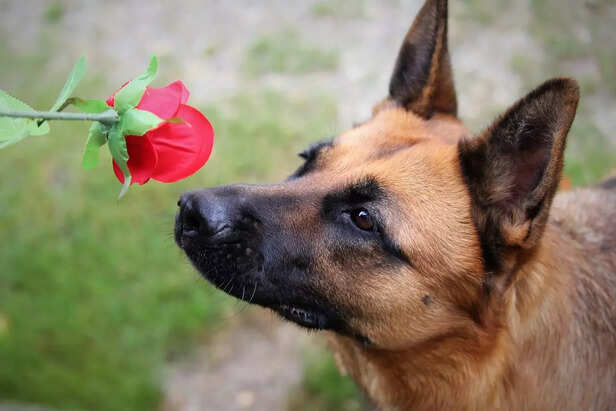
![Super Sniffers]() Perhaps the most impressive application of positive reinforcement in India is in the professional realm. The "Super Sniffers" of India's wildlife sniffer dog force are not trained through punishment. These elite canines, responsible for foiling countless wildlife crimes, are trained using food and play rewards. They learn to identify the faintest scent of contraband, from tiger skin to elephant ivory, with incredible precision because they are motivated by the promise of their favorite toy or a game of fetch. Their success rate is a stunning testament to the efficacy of this humane and modern training philosophy.
Perhaps the most impressive application of positive reinforcement in India is in the professional realm. The "Super Sniffers" of India's wildlife sniffer dog force are not trained through punishment. These elite canines, responsible for foiling countless wildlife crimes, are trained using food and play rewards. They learn to identify the faintest scent of contraband, from tiger skin to elephant ivory, with incredible precision because they are motivated by the promise of their favorite toy or a game of fetch. Their success rate is a stunning testament to the efficacy of this humane and modern training philosophy.
![the new era]()
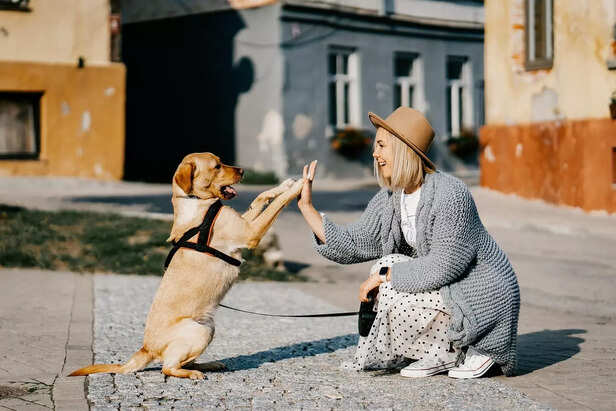
This shift in India is more than just a training technique; it's a profound cultural change. It’s about viewing our dogs as sentient partners, not possessions to be dominated. It's about a dog eagerly offering their paw for a treat instead of nervously cowering at a command. The old methods were about control; the new ones are about connection. The stories from Indian owners from the rescued street dog learning to trust to the boisterous pet learning to be gentle are a powerful testament to the fact that the most impressive training isn't done with a heavy hand, but with a happy heart, a kind voice, and a pocket full of treats. The Indian dog training revolution is not just mind-blowing; it's a beautiful, positive future for man's best friend.
Discover expert advice and the latest tips on pet care, training, health, and more. Stay updated with all things pets at Times Pets!
The Old Way vs. The New Way

new ways of dog training
Real-Life Transformations: The Stubborn Street Rescue
sensitive training
A Mumbai Family's Journey from Chaos to Calm

calm and peace
Image credit : Pexels
India's "Super Sniffers" and the Professional Edge
Super Sniffers
Image credit : Pixabay
A New Era of Connection
the new era
Image credit : Pixabay
This shift in India is more than just a training technique; it's a profound cultural change. It’s about viewing our dogs as sentient partners, not possessions to be dominated. It's about a dog eagerly offering their paw for a treat instead of nervously cowering at a command. The old methods were about control; the new ones are about connection. The stories from Indian owners from the rescued street dog learning to trust to the boisterous pet learning to be gentle are a powerful testament to the fact that the most impressive training isn't done with a heavy hand, but with a happy heart, a kind voice, and a pocket full of treats. The Indian dog training revolution is not just mind-blowing; it's a beautiful, positive future for man's best friend.
Discover expert advice and the latest tips on pet care, training, health, and more. Stay updated with all things pets at Times Pets!