Teaching a dog to sit on cue is not about showing off at the park. It is the difference between a dog that waits at the lift door and one that bolts into the corridor every time it opens. Five commands cover most of what daily life in an Indian home actually demands, and each one is built on the same principle: the dog does something, something good follows, the dog does it more. That is positive reinforcement, and it is the only method this guide uses.
Sit, the foundation everything else builds on
Sit is taught first because it is the easiest behaviour to capture and because it gives you a tool for every other situation. Hold a small treat at your dog's nose, then move it slowly back over their head. As the nose goes up following the treat, the hindquarters go down. The moment the dog is fully seated, mark it, either with a clicker or a short, sharp word like "yes", and give the treat. The mark tells the dog exactly which moment earned the reward. Without it, the dog is guessing.
Repeat this five to ten times in a session. Keep sessions under five minutes, especially with puppies. Once the dog is sitting reliably with the lure, start saying "sit" just before you move the treat. Within a few days, most dogs will respond to the word alone. If the dog jumps instead of sitting, turn away and wait. Jumping gets nothing. Sitting gets everything.
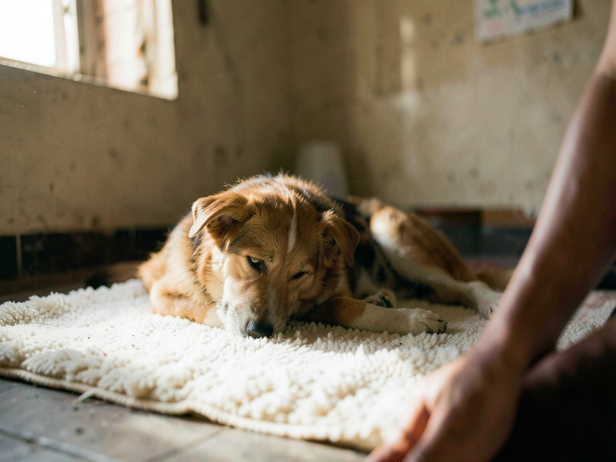
![Dog in Stable Position]()
Dog in Stable Position
Image credit : AI
I practice basic dog obedience training in this Indian flat, teaching my dog to sit and stay.
Stay, teaching a dog to hold a position
Stay is not a separate command from sit. It is sit, extended. Once your dog sits reliably, add duration before the mark and reward. Ask for a sit, wait one second, then mark and reward. Gradually increase the gap, two seconds, five, ten, before adding any distance. The order matters: duration first, then distance, then distraction. Skipping ahead is why most stay training falls apart.
When you add distance, take one step back, return to the dog, and reward. Do not call the dog to you from a stay in early training, that teaches the dog that stay ends when it decides to move. Release with a consistent word, "okay" or "free", so the dog knows the behaviour is finished. If the dog breaks the stay, simply ask for a shorter version it can succeed at. Punishment here does nothing useful and a great deal of damage.
Come, the command that can prevent a crisis
Recall is the most important command on this list and the one most owners accidentally ruin. The mistake is calling the dog and then doing something it dislikes, a bath, nail clipping, going back inside. If "come" reliably predicts something unpleasant, the dog learns to ignore it. The fix is simple: coming to you must always pay well, every single time, for months.
Start in a small room. Crouch down, open your arms, say the dog's name followed by "come" in a warm tone, and reward lavishly when it arrives, multiple treats, real enthusiasm. Gradually increase distance and move to the garden or a quiet park on a long lead. Never call a dog you cannot enforce. If it will not come, go and get it rather than repeating the command and teaching the dog that "come" is optional. A dog that has a reliable recall in a busy Indian neighbourhood, near traffic, near street dogs, near children, is a genuinely safer animal.
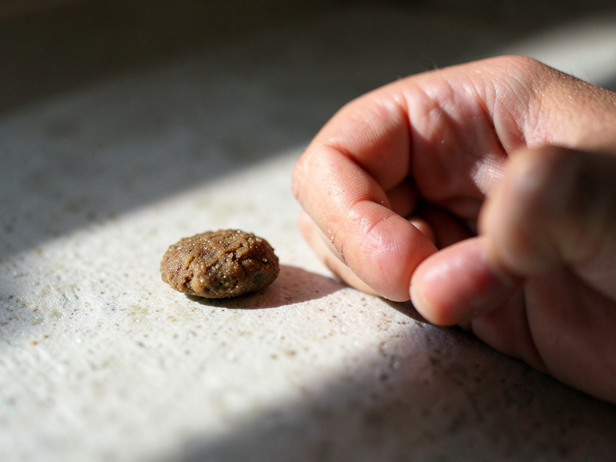
![Treat and Hand]()
Treat and Hand
Image credit : AI
A moment of reward. Teaching 'sit' with positive reinforcement is key for Indian pet parents.
Down, useful for calm and for safety
Down asks the dog to lie flat, which is a more relaxed and more stable position than sit. It is useful when you need the dog to stay put for longer periods, when guests arrive, or when you are eating. Lure it from a sit by moving the treat straight down to the floor between the dog's front paws, then slowly forward along the ground. The dog should fold into a down to follow it. Mark and reward the moment the elbows touch the floor.
Some dogs resist the down because it feels vulnerable. Do not push the dog's back or shoulders, this creates resistance, not compliance. Work on a soft surface if the dog seems reluctant. A dog that goes into a down reliably in a busy room is a dog that has learned to settle, which matters enormously in a flat where space is shared.
Leave it, the command that protects against real harm
India's streets and parks are full of things a dog should not pick up: discarded food, bones, plastic, sometimes worse. Leave it teaches the dog to disengage from something on cue, which is different from stay and different from drop it. Start by placing a low-value treat in your closed fist. Let the dog sniff and paw at it. The moment the dog pulls back even slightly, any disengagement, mark and reward with a different, better treat from your other hand. The dog learns that leaving something earns something better.
Once this is solid, place the treat on the floor and cover it with your foot. Same principle. Then move to real-world objects on walks, using a long lead so you have control while the dog learns. A reliable leave it takes weeks of consistent practice, not days. If you are working with a dog that has already swallowed something potentially toxic or dangerous, that is a vet call, not a training moment.
If any of these commands stalls for more than two weeks of consistent practice, or if the dog shows growling, snapping or stiffening during training, stop and contact a qualified trainer or veterinary behaviourist. Some behaviour has a pain or anxiety component that training alone cannot address, and a professional can tell the difference.