Most bites and scratches between kittens and children happen in the same moment: a child reaches too fast, the kitten has nowhere to go, and a reflex takes over. The kitten is not being aggressive. It is doing exactly what a small animal does when it feels cornered. The goal of handling training is to make that moment less likely by building a kitten's tolerance gradually and teaching children a physical vocabulary for interacting with cats.
Understand what the kitten is working with
A kitten's nervous system is not a smaller version of an adult cat's. Between three and nine weeks of age, kittens go through a socialisation window during which new experiences are absorbed with relatively little fear. After that window closes, new stimuli require more repetition and patience to become neutral. If your kitten arrived home after nine weeks, as most do, it can still learn to be comfortable with children, but the process takes longer and the sessions need to be shorter. A kitten that flattens its ears, tucks its tail, or tries to back away is already past its comfort threshold. Stop the session before that point, not after.
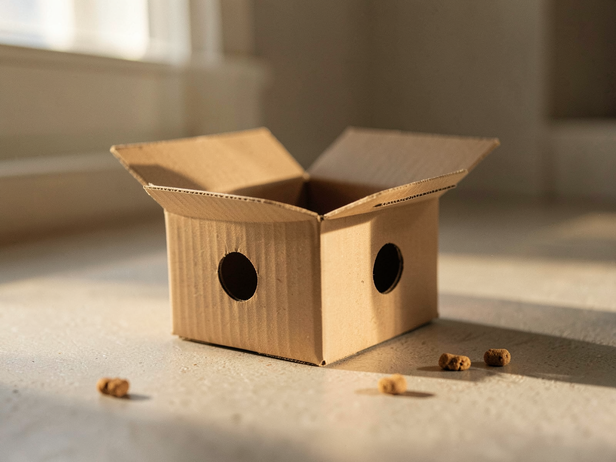
![Kitten's Treat Hideaway]()
Kitten's Treat Hideaway
Image credit : AI
I'm learning to be comfortable with children, one treat at a time. This is part of my kitten socialisation with kids India journey.
Set the room up before the child comes in
The kitten needs one clear escape route it can use without being blocked. A low shelf, the space under a chair, or a cardboard box with a hole cut in it all work. When a kitten knows it can leave, it is far more likely to stay. Remove anything that makes a loud noise when knocked over. Sit the child on the floor before the kitten enters the room, a child standing and moving is more alarming than a child sitting still. Have a few small treats ready in the child's palm.
Let the kitten make the first move
The first three or four sessions are observation only. The child sits quietly, a treat sits on the floor near them, and the kitten decides whether to approach. This is counter-intuitive for children who want to hold the kitten immediately, but it is the step that makes every later step faster. A kitten that chose to come close once will come close again. A kitten that was grabbed and held will remember the grab. Explain to the child that staying still is a skill, and that the kitten approaching counts as a win for the session.
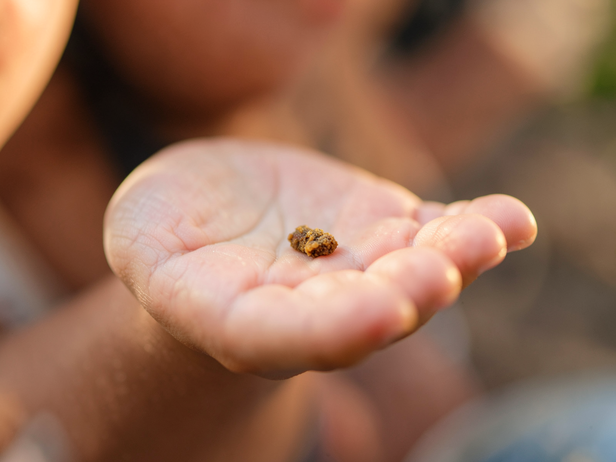
![Small Hand, Sweet Treat]()
Small Hand, Sweet Treat
Image credit : AI
I offer a gentle treat, a step in teaching kitten socialisation with kids.
Introduce touch in a specific order
Once the kitten is comfortable eating treats near the child's hand, the child can begin touching, but the location and sequence matter. Start with the base of the skull and the back of the neck, where cats groom each other and where touch reads as social rather than threatening. Move to the back along the spine. Leave the belly, the paws, and the tail for later sessions, after the kitten has shown it relaxes during neck and back contact. Each new area gets its own session. The child uses two or three fingers, not a full hand, and keeps the movement slow and in the direction of the fur.
Teach the child what relaxed looks like
Children often cannot read cat body language, and reading it is half the skill. A kitten that slow-blinks, kneads, or lets its body go loose is comfortable. A kitten that holds its body rigid, flicks its tail sharply, or turns its head away is signalling that it wants the contact to stop. Make this a game: ask the child to call out what they see before each touch. Over time, they develop a habit of checking before reaching, which is the single most useful thing a child can learn about living with a cat.
Build up to being held in stages
Being picked up and held is the most demanding thing a kitten is asked to tolerate, and it should come last. The sequence: touch while the kitten sits on the floor, then a hand placed under the chest without lifting, then a brief lift of a few centimetres and back down, then a lift to lap height with the child seated, then a held position for a few seconds with a treat delivered immediately. Each stage needs several successful sessions before moving to the next. A kitten that struggles when lifted should be set down calmly, not held tighter, and the session ends there.
Keep sessions short and end on a good note
Five minutes is enough for a young kitten. Ten is the ceiling for most. End every session while the kitten is still calm and engaged, not when it has already started to disengage. A session that ends with the kitten walking away on its own terms is a session the kitten will be willing to repeat. Over four to six weeks of daily short sessions, most kittens become genuinely comfortable with the children in the house, not just tolerant, but actively seeking them out. If after six weeks the kitten still hides, freezes, or hisses at any contact, a veterinary behaviourist or qualified cat behaviour consultant is the right next step, not more repetition of the same approach.