
5 Simple Training Tips That Work Faster in Warm Weather
Payal Tandon | May 04, 2026, 11:22 IST

Training Your Dog (Image Credit:Pexels)
Warm weather can make dog training easier if done the right way. Dogs are often more active and responsive during certain parts of the day, which can improve learning speed. However, heat can also reduce energy and focus if training is not planned carefully. This article shares five simple and practical training tips that help your dog learn faster in summer while staying comfortable, happy, and safe.
Training your dog is one of the most important parts of being a pet owner. It builds trust, improves behavior, and creates a strong bond between you and your dog. But many people do not realize that the weather can affect how well a dog learns.
During warm months, your dog’s body and mood change. They may feel more energetic in the morning but slow down quickly in the afternoon heat. This means the usual training routine may not always work.
The good news is that summer can actually be a great time for training if you adjust your approach. With a few simple changes, you can make training faster, easier, and more enjoyable for your dog.
Let us explore some practical tips that can help you get better results without making your dog feel tired or uncomfortable.
Choose the Right Time of Day for Training
Timing is one of the most important factors when training your dog in warm weather. Dogs are very sensitive to heat, and high temperatures can quickly reduce their energy and focus.
Early mornings are usually the best time for training. The air is cooler, the surroundings are calm, and your dog is more active after resting at night. Evening sessions also work well because the temperature starts to drop, making your dog more comfortable.
Training your dog during hot afternoons can lead to poor results. Your dog may feel lazy, distracted, or even irritated. Instead of learning, they may just want to lie down and rest.
When you choose the right time, your dog stays alert and engaged. This helps them understand commands faster and remember them better. Over time, you will notice that even short sessions during cooler hours bring better results than long sessions in the heat.
![Training in Summers (Image Credit:Pexels)]()
In warm weather, less is often more. Long training sessions can make your dog tired quickly, especially when the temperature is high.
Short sessions of 10 to 15 minutes work best. During this time, your dog can stay focused without feeling exhausted. If you try to train for too long, your dog may lose interest and stop responding properly.
Make each session fun and interactive. Use toys, treats, and a cheerful tone to keep your dog excited. Dogs respond better when they enjoy the activity. When training feels like a game, they are more willing to participate and learn.
You can also repeat short sessions two or three times a day instead of doing one long session. This approach helps your dog learn gradually without stress. It also gives them time to rest and recover between sessions.
Use Hydration and Breaks to Your Advantage
Water plays a very important role in summer training. Dogs can get dehydrated quickly, especially when they are active. A dehydrated dog will feel tired, unfocused, and may even become unwell.
Always keep fresh water nearby during training. Offer small water breaks after a few minutes of activity. These breaks help your dog cool down and regain energy.
You can also use water breaks as a reward. For example, after your dog follows a command correctly, give them a quick sip of water along with praise. This creates a positive connection between training and comfort.
Some dogs also enjoy light water play. You can combine training with fun activities like playing with a hose or splashing water in a safe way. This keeps your dog cool while making training more enjoyable.
When your dog feels comfortable and refreshed, they are more likely to stay focused and respond quickly.
![Being patient (Image Credit:Pexels)]()
Summer is a great time to strengthen the basics. Simple commands like sit, stay, come, and down are the foundation of good behavior.
Instead of jumping into complex tricks, focus on improving these basic commands. Practice them regularly in short sessions. This helps your dog become more disciplined and confident.
When your dog clearly understands basic commands, learning new tricks becomes much easier. They already know how to listen and respond, which speeds up the training process.
You can also practice these commands in different environments, such as indoors, in your yard, or during a walk. This helps your dog learn to follow instructions in various situations.
Consistency is key here. Repeating simple commands daily creates strong habits, and these habits make advanced training smoother later on.
Every dog is different. Some dogs remain playful even in warm weather, while others slow down quickly. Understanding your dog’s behaviour is very important for effective training.
Watch how your dog reacts to the weather. If they seem tired, start panting heavily, or lose interest, it is a sign that they need a break. Pushing your dog too much can create negative feelings toward training.
Instead, adjust your training based on their mood. On days when your dog is active, you can do slightly longer sessions. On slower days, keep things light and simple.
Training should always feel positive. A relaxed and happy dog learns much faster than a stressed or tired one. When you respect your dog’s limits, they trust you more and respond better.
Over time, you will understand your dog’s natural rhythm. This makes it easier to plan training sessions that match their energy levels.
Create a Comfortable Training Environment
![Creating a good Comfortable (Image Credit:Pexels)]()
The place where you train your dog matters just as much as the method you use. In summer, the environment should be cool, safe, and distraction-free.
Avoid training on hot surfaces like concrete or roads, as they can hurt your dog’s paws. Instead, choose grassy areas or shaded spaces. Indoor training is also a good option during very hot days.
A calm environment helps your dog focus better. Too much noise or activity can distract them and slow down learning.
You can also use small comforts like a shaded mat or a cool resting spot nearby. These little changes make a big difference in how your dog feels during training.
When your dog feels safe and comfortable, they are more willing to participate and learn.
While summer comes with challenges, it also offers advantages. Longer daylight hours give you more flexibility to train at the right time. Outdoor spaces become more accessible, which allows you to practice commands in real situations.
Dogs also enjoy spending time outside, which can make training sessions feel less like work and more like play. When training becomes part of a fun routine, your dog stays motivated.
The key is balance. By avoiding extreme heat and focusing on comfort, you can turn summer into a productive training season.
Training your dog in warm weather does not have to be difficult. In fact, with the right approach, it can become easier and more effective.
By choosing the right time, keeping sessions short, ensuring proper hydration, focusing on basics, and understanding your dog’s energy, you can achieve faster results without stress.
Remember that training is not just about teaching commands. It is about building a connection with your dog. When your dog feels safe, happy, and understood, learning becomes natural.
With patience and consistency, even simple efforts can lead to big improvements. Summer can be the perfect time to strengthen your bond and help your dog become more confident and well-behaved.
Celebrate the bond with your pets, explore Health & Nutrition, discover Breeds, master Training Tips, Behavior Decoder, and set out on exciting Travel Tails with Times Pets!
During warm months, your dog’s body and mood change. They may feel more energetic in the morning but slow down quickly in the afternoon heat. This means the usual training routine may not always work.
The good news is that summer can actually be a great time for training if you adjust your approach. With a few simple changes, you can make training faster, easier, and more enjoyable for your dog.
Let us explore some practical tips that can help you get better results without making your dog feel tired or uncomfortable.
Choose the Right Time of Day for Training
Timing is one of the most important factors when training your dog in warm weather. Dogs are very sensitive to heat, and high temperatures can quickly reduce their energy and focus.
Early mornings are usually the best time for training. The air is cooler, the surroundings are calm, and your dog is more active after resting at night. Evening sessions also work well because the temperature starts to drop, making your dog more comfortable.
Training your dog during hot afternoons can lead to poor results. Your dog may feel lazy, distracted, or even irritated. Instead of learning, they may just want to lie down and rest.
When you choose the right time, your dog stays alert and engaged. This helps them understand commands faster and remember them better. Over time, you will notice that even short sessions during cooler hours bring better results than long sessions in the heat.
Keep Training Sessions Short and Engaging
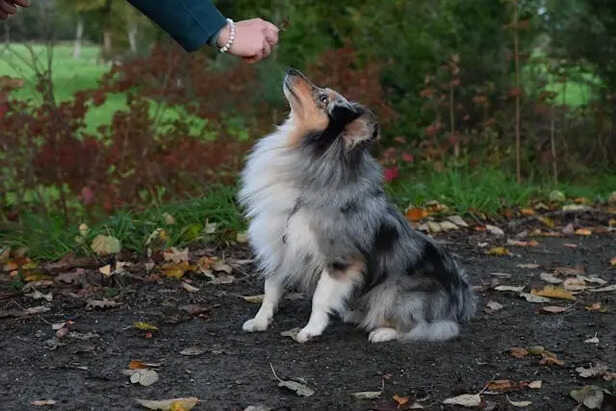
Training in Summers (Image Credit:Pexels)
In warm weather, less is often more. Long training sessions can make your dog tired quickly, especially when the temperature is high.
Short sessions of 10 to 15 minutes work best. During this time, your dog can stay focused without feeling exhausted. If you try to train for too long, your dog may lose interest and stop responding properly.
Make each session fun and interactive. Use toys, treats, and a cheerful tone to keep your dog excited. Dogs respond better when they enjoy the activity. When training feels like a game, they are more willing to participate and learn.
You can also repeat short sessions two or three times a day instead of doing one long session. This approach helps your dog learn gradually without stress. It also gives them time to rest and recover between sessions.
Use Hydration and Breaks to Your Advantage
Water plays a very important role in summer training. Dogs can get dehydrated quickly, especially when they are active. A dehydrated dog will feel tired, unfocused, and may even become unwell.
Always keep fresh water nearby during training. Offer small water breaks after a few minutes of activity. These breaks help your dog cool down and regain energy.
You can also use water breaks as a reward. For example, after your dog follows a command correctly, give them a quick sip of water along with praise. This creates a positive connection between training and comfort.
Some dogs also enjoy light water play. You can combine training with fun activities like playing with a hose or splashing water in a safe way. This keeps your dog cool while making training more enjoyable.
When your dog feels comfortable and refreshed, they are more likely to stay focused and respond quickly.
Focus on Basic Commands Before Advanced Tricks

Being patient (Image Credit:Pexels)
Summer is a great time to strengthen the basics. Simple commands like sit, stay, come, and down are the foundation of good behavior.
Instead of jumping into complex tricks, focus on improving these basic commands. Practice them regularly in short sessions. This helps your dog become more disciplined and confident.
When your dog clearly understands basic commands, learning new tricks becomes much easier. They already know how to listen and respond, which speeds up the training process.
You can also practice these commands in different environments, such as indoors, in your yard, or during a walk. This helps your dog learn to follow instructions in various situations.
Consistency is key here. Repeating simple commands daily creates strong habits, and these habits make advanced training smoother later on.
Understand Your Dog’s Energy and Mood
Every dog is different. Some dogs remain playful even in warm weather, while others slow down quickly. Understanding your dog’s behaviour is very important for effective training.
Watch how your dog reacts to the weather. If they seem tired, start panting heavily, or lose interest, it is a sign that they need a break. Pushing your dog too much can create negative feelings toward training.
Instead, adjust your training based on their mood. On days when your dog is active, you can do slightly longer sessions. On slower days, keep things light and simple.
Training should always feel positive. A relaxed and happy dog learns much faster than a stressed or tired one. When you respect your dog’s limits, they trust you more and respond better.
Over time, you will understand your dog’s natural rhythm. This makes it easier to plan training sessions that match their energy levels.
Create a Comfortable Training Environment

Creating a good Comfortable (Image Credit:Pexels)
The place where you train your dog matters just as much as the method you use. In summer, the environment should be cool, safe, and distraction-free.
Avoid training on hot surfaces like concrete or roads, as they can hurt your dog’s paws. Instead, choose grassy areas or shaded spaces. Indoor training is also a good option during very hot days.
A calm environment helps your dog focus better. Too much noise or activity can distract them and slow down learning.
You can also use small comforts like a shaded mat or a cool resting spot nearby. These little changes make a big difference in how your dog feels during training.
When your dog feels safe and comfortable, they are more willing to participate and learn.
Why Warm Weather Can Improve Training Results
While summer comes with challenges, it also offers advantages. Longer daylight hours give you more flexibility to train at the right time. Outdoor spaces become more accessible, which allows you to practice commands in real situations.
Dogs also enjoy spending time outside, which can make training sessions feel less like work and more like play. When training becomes part of a fun routine, your dog stays motivated.
The key is balance. By avoiding extreme heat and focusing on comfort, you can turn summer into a productive training season.
Training your dog in warm weather does not have to be difficult. In fact, with the right approach, it can become easier and more effective.
By choosing the right time, keeping sessions short, ensuring proper hydration, focusing on basics, and understanding your dog’s energy, you can achieve faster results without stress.
Remember that training is not just about teaching commands. It is about building a connection with your dog. When your dog feels safe, happy, and understood, learning becomes natural.
With patience and consistency, even simple efforts can lead to big improvements. Summer can be the perfect time to strengthen your bond and help your dog become more confident and well-behaved.
Celebrate the bond with your pets, explore Health & Nutrition, discover Breeds, master Training Tips, Behavior Decoder, and set out on exciting Travel Tails with Times Pets!