
10 Cat Sounds That Reveal Their True Feelings
Noopur Kumari | May 03, 2026, 11:00 IST

cats
Image credit : Pexels
Why do cats use different sounds only with humans? Is purring always a sign of happiness or something more? What does that strange chirping really mean?Which sounds should you never ignore? And what hidden language is your cat using every single day? These questions reveal something most owners overlook Your cat isn’t being random it’s communicating in its own way. This is not just about pet behavior. It’s about understanding the signals, emotions, and needs your cat expresses daily, and finally learning to truly listen.
Your Cat isn’t silent. Not really. Every sound every meow, chirp, or purr carries meaning. But most people miss it. They hear noise but not the message behind it. And that’s where the problem begins. Because sometimes, your cat isn’t just being playful or cute it’s trying to communicate something important. Something about how it feels, what it needs, or even a sign that something isn’t right. If you start listening more carefully, you’ll realise your cat has been “talking” to you all along just in a language you’re only now beginning to understand.
![Cat meowing directly at owner]()
A Cat rarely meows at other cats. That sound is mostly for you. A short, soft meow might be a greeting. A loud, repeated one could mean hunger or boredom. Over time, cats adjust their tone based on your reactions. That means your cat may have created a unique “language” just for you. If you listen closely, patterns appear. The same sound, at the same time each day, often means the same need. It’s not random it’s intentional communication shaped by your bond.
![Cat peacefully purring while resting]()
Purring feels like pure happiness. And often, it is. But not always. Cats also purr when they are stressed, injured, or unwell. It’s their way of calming themselves. Think of it as emotional self-care. That’s why context matters. If your cat is purring while hiding, avoiding food, or acting differently, don’t ignore it. The same sound can mean comfort or a quiet cry for help. Understanding this difference can protect your cat’s health.
![Purring can mean comfort—or something deeper]()
That quick chirp when your cat sees birds outside? It’s not random. It’s instinct. A mix of excitement and frustration. Your cat is reacting to prey it can’t reach. Some experts believe it mimics hunting behavior. Others say it’s emotional overload. Either way, it’s a sign your cat is engaged and stimulated. This is a good moment to offer playtime. It channels that energy in a healthy way and keeps your cat mentally active.
Hissing and growling are clear warnings. Your Cat is saying: “Stay away.” These sounds come from fear, stress, or feeling threatened. It’s not aggression it’s defense. If you push further, the situation can escalate. Respect the signal. Give space. Let your cat calm down. Ignoring these sounds can damage trust. Listening to them builds safety. And a safe cat is a calmer, happier companion.
Crying is softer but more emotional than a meow. It can signal loneliness, anxiety, or even illness. Moaning, on the other hand, is deeper and often linked to discomfort or frustration. If these sounds become frequent, something is wrong. Especially in older cats. Behaviour changes plus vocal changes are strong warning signs. This is when attention matters most. Don’t ignore it. Your cat may not speak your language but it is definitely asking for help.
Understanding your Cat isn’t about memorising sounds it’s about observing patterns. Notice when sounds happen. Before food? During stress? Around strangers? Combine sound with body language. Tail, ears, eyes they all speak. The more you observe, the clearer the message becomes. Over time, you don’t just hear your cat you understand it. And that changes everything about your relationship.
Celebrate the bond with your pets, explore Health & Nutrition, discover Breeds, master Training Tips, Behavior Decoder, and set out on exciting Travel Tails with Times Pets!
The Meow Isn’t Just a Meow
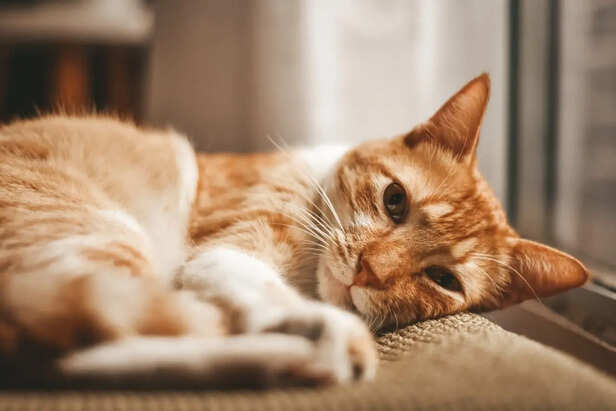
Cat meowing directly at owner
Image credit : Pexels
A Cat rarely meows at other cats. That sound is mostly for you. A short, soft meow might be a greeting. A loud, repeated one could mean hunger or boredom. Over time, cats adjust their tone based on your reactions. That means your cat may have created a unique “language” just for you. If you listen closely, patterns appear. The same sound, at the same time each day, often means the same need. It’s not random it’s intentional communication shaped by your bond.
Purring Has a Hidden Side

Cat peacefully purring while resting
Image credit : Freepik
Purring feels like pure happiness. And often, it is. But not always. Cats also purr when they are stressed, injured, or unwell. It’s their way of calming themselves. Think of it as emotional self-care. That’s why context matters. If your cat is purring while hiding, avoiding food, or acting differently, don’t ignore it. The same sound can mean comfort or a quiet cry for help. Understanding this difference can protect your cat’s health.
Chirps and Chattering Explained
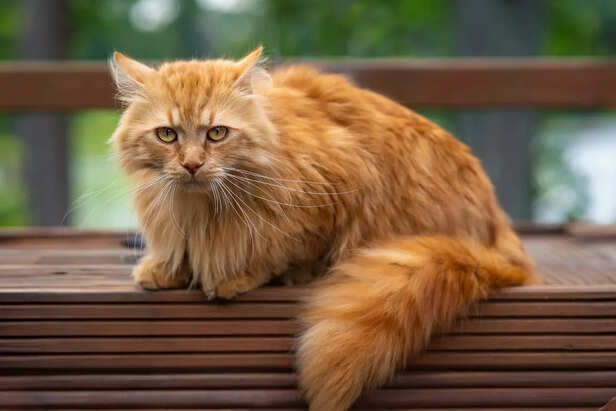
Purring can mean comfort—or something deeper
Image credit : Pexels
That quick chirp when your cat sees birds outside? It’s not random. It’s instinct. A mix of excitement and frustration. Your cat is reacting to prey it can’t reach. Some experts believe it mimics hunting behavior. Others say it’s emotional overload. Either way, it’s a sign your cat is engaged and stimulated. This is a good moment to offer playtime. It channels that energy in a healthy way and keeps your cat mentally active.
Warning Sounds You Should Never Ignore
Crying and Moaning Mean More
How to Truly Understand Your Cat
Celebrate the bond with your pets, explore Health & Nutrition, discover Breeds, master Training Tips, Behavior Decoder, and set out on exciting Travel Tails with Times Pets!