
Going Green with Pets: The Easy Guide to Sustainable Pet Care
Pallavi Thakur | Apr 29, 2025, 10:07 IST

Going Green with Pet The Easy Guide to Sustainable Pet Care
Uncover the definitive guide to sustainable pet ownership, with actionable and impactful tips that every eco-conscious pet parent should be aware of! This article will cover sustainable pet care strategies—from environmentally-friendly pet products to waste reduction actions—that make a difference. Don't worry if you're a new or long-time sustainable pet owner, these simple, eco-friendly choices can help you properly care for your furry friend while also protecting the planet. Go green without sacrificing love or comfort!
As a pet owner with a focus on eco-consciousness, you are not only responsible for taking care of your furry companion, but you are also responsible for taking care of the planet where your furry companion plays. From the food your pet eats to the disposal of their waste, every choice you make can potentially leave a footprint—or a pawprint—on the environment. Fortunately, as a conscientious pet owner, you can still lessen your environmental footprint without sacrificing your pet’s comfort or happiness with some sensible, eco-friendly actions.
Here is your comprehensive guide to going green with your pets.
1. Feed Your Pet Sustainably

Feed Your Pet Sustainably
The easiest way to minimize your impact as an eco-friendly pet owner is to rethink your pet’s diet.
Consider selecting an eco-conscious brand with organic or local ingredients and minimal packaging.
Think about alternative forms of protein, such as insect-based pet food. Insects use much less land, water, and food, thereby significantly reducing the environmental footprint of meat production.
Avoid overfeeding—studies show that obesity is becoming a real issue in pets, and overconsumption means overuse of resources.
>Quick Stat: According to the UCLA Institute of the Environment, pets in the U.S. alone use roughly 25% of all calories derived from animals.
2. Choose Environmentally-Friendly Waste Disposal Options
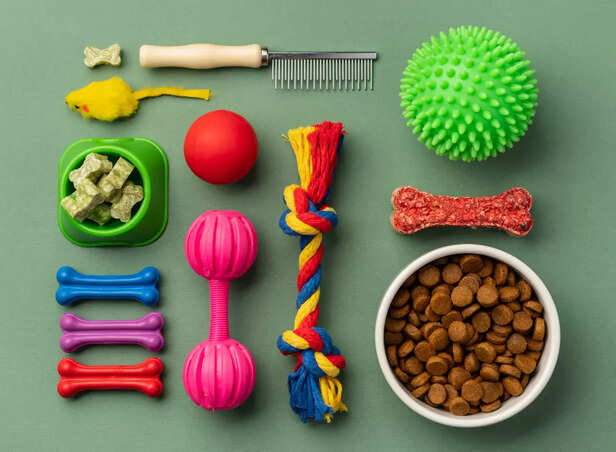
Choose Environmentally-Friendly Toys and Gear
Pet waste has a significant impact on the environment, especially on plastic.
To bag pet poop, use biodegradable poop bags made from cornstarch or plant-based materials.
To throw cat litter away, use biodegradable litter made from recycled paper, walnut shells, pine, or wheat. These will break down faster and contribute less to landfills.
Don’t flush pet waste down the toilet unless it is allowed by your municipality.
> Bonus Tip: If possible, try installing a pet waste composting system to turn waste into compost to be used as soil nutrients (not for food gardens).
3. Choose Environmentally-Friendly Toys and Gear
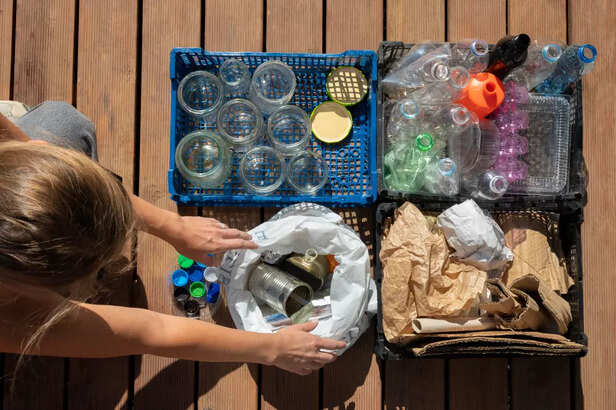
Choose Environmentally-Friendly Waste Disposal Options
Toys, collars, leashes, and beds—a pet's needs are still needs, and they do not need to be heavily made out of plastic or wasteful.
There are sustainable and durable toys made out of natural fibers like cotton or hemp.
There are also products made from recycled or upcycled materials.
You can make your own toys from old t-shirts, ropes, or socks and help you save money and reduce waste.
It will limit the demand for manufacturing, and keep more trash away from the landfill!
4. Green Grooming
Use shampoos and grooming supplies made with natural & biodegradable ingredients.
Avoid synthetic fragrances, parabens, and other nasties!
Use compostable or washable grooming wipes.
Many eco-friendly grooming brands now offer refillable bottles, which helps reduce plastic usage.
5. Adopt, Don't Shop
Breeding often involves over-production and shipping, which creates more pollution.
Adopting a pet gives an animal a second chance and minimizes the market for commercial breeders.
Plus, you'll be saving a life.
6. Be Aware in Nature
Keep your dog on paths/trails, so you avoid disturbing wildlife or fragile plant life.
Always clean up after your dog, especially in parks & nature reserves.
When exploring outdoors with your pet, you may also want to consider using a reusable water bottle and bowl.
Even these small actions can help keep the natural habitat cleaner and safer!
Being an eco-friendly pet parent isn't about perfection, it's about progress. Every eco-conscious choice you make contributes to a healthier home, greener planet, and better future for humans and animals. Whether it is composting pet waste, choosing sustainable pet food, or using less plastic, you are creating an impact with every pawprint!
Discover expert advice and the latest tips on pet care, training, health, and more. Stay updated with all things pets at Times Pets!
Frequently Asked Question(FAQs)
- How do you manage pet waste?
Pet waste can be managed by using biodegradable bags, composting, or utilizing a pet waste disposal system to ensure proper and eco-friendly disposal. - What is the most eco-friendly way to get rid of dog poop?
The most eco-friendly way to dispose of dog poop is by using compostable bags or a pet waste composting system designed for safe, organic waste breakdown. - How do you dispose of eco-dog waste?
Eco-dog waste can be disposed of by composting it in a pet waste composting system or using biodegradable waste bags that decompose naturally.