
Senior Cat Care: Special Tips for Your Aging Feline Friend
Nikita Kanyal | Dec 11, 2024, 22:04 IST

( Image Source : Pixabay)
Caring for an older cat necessitates specific attention to their evolving requirements. This guide provides vital advice to maintain your aging feline's health and happiness, such as appropriate nutrition, gentle activity, consistent veterinary check-ups, and establishing a senior-friendly environment. Learn how to promote their mental and physical wellness while enhancing your connection.
As your cherished cat ages, their requirements start to evolve. Older cats continue to be just as affectionate, inquisitive, and unique as they were when younger, but they might need additional attention to remain content and well. If you've observed that your furry friend is less lively or more particular about their behaviors, it's essential to modify their care routine to accommodate their aging body and mind.
![Maintaining diet ( Image Source : Pixabay)]()
Nutrition serves as the basis for outstanding health, especially in senior cats. As cats age, their metabolism slows down, and they may encounter health problems like kidney disease, arthritis, or obesity. Adjusting their diet to meet their specific needs is crucial.
1. Switch to Senior Cat Food: Formulas for senior cats are created with reduced calories, increased fiber, and nutrients such as taurine, omega-3s, and antioxidants to assist aging joints and organs.
2. Hydration is Key: Senior cats are susceptible to dehydration, particularly those suffering from kidney issues. Moist food can improve hydration and is easier to chew for cats with dental issues. Always ensure you supply fresh water to support their kidney health.
3. Think About Supplements: Adding supplements such as glucosamine for joint wellness or omega-3s for a shiny coat can greatly influence their health. Speak with your veterinarian before starting any new routine.
2. Keep Them Moving: Gentle
Cats might sleep more frequently as they grow older, but consistent exercise is crucial for maintaining their agility and avoiding weight gain. Promote gentle activities to assist your older cat in staying healthy without excessive strain.
1. Interactive Toys: Invest in toys like laser pointers, feather wands, or slow-moving balls to encourage playtime. Keep sessions short but engaging.
2. Puzzle Feeders: These can double as mental and physical stimulation while your cat works for their favorite treats.
3. Climbing Alternatives: Replace tall cat trees with shorter, accessible ones to accommodate their reduced jumping ability. Adding ramps or steps can help them safely reach their favorite spots.
3. Create a Senior-Friendly Home
As your cat’s agility and energy levels decline, making small changes around your home can greatly improve their comfort and well-being.
1. Easily Accessible Litter Boxes: Choose a litter box with shorter sides so your senior cat can get in and out with ease. Position several boxes throughout the house to reduce long walks.
2. Comfortable Sleeping Areas: Offer snug beds in their preferred locations. Orthopedic cat beds can offer additional support for sore joints.
3. Secure Climbing Areas: Make certain that shelves and elevated spots are accessible and tidy to avoid accidents.
Comfort is essential—these minor tweaks can greatly improve the life of your elderly cat.
4. Schedule Regular Vet Visits
![Vet visits ( Image Source : Pixabay)]()
Senior cats are experts at concealing discomfort, which makes regular veterinary visits essential. Identifying health problems early can significantly enhance outcomes and life quality.
1. Yearly or Half-Yearly Examinations: Routine check-ups assist in tracking weight, oral health, and essential organ function. Blood tests can identify problems such as diabetes or kidney diseases at an early stage.
2. Vaccinations and Parasite Management: Older indoor cats require safeguarding against fleas, ticks, and typical feline diseases. Make sure that their vaccinations and preventive steps are current.
3. Pain Relief: Disorders such as arthritis might need pain alleviation techniques. Your veterinarian may suggest medications, supplements, or alternative treatments to ensure your cat's comfort
![Check on dental hygiene ( Image Source : Pixabay)]()
Dental health often declines with age, leading to pain, difficulty eating, and even systemic infections. Keeping your senior cat’s teeth in good shape is a must.
1. Brush Their Teeth: Use a cat-friendly toothbrush and toothpaste to gently clean their teeth a few times a week.
2. Dental Treats: If brushing isn’t an option, dental chews or treats can help reduce tartar buildup.
3. Regular Cleanings: Schedule professional dental cleanings as recommended by your vet.
Mental stimulation is just as important as physical health. Keeping your senior cat mentally engaged can prevent boredom and cognitive decline.
1. New Toys: Change out toys frequently to maintain their appeal. Basic items such as crinkly balls, catnip toys, or even a cardboard box can offer hours of fun.
2. Interactive Play: Dedicate time to interact with your cat. Engage in play, conversation, and cuddling to enhance your relationship and uplift their mood.
3. Sensory Stimulation: Crack open a window to allow them to observe birds or include a scratching post with engaging textures. These minor enhancements can help keep their mind active.
7. Monitor Behavioral Changes
As your cat ages, they may display changes in behavior. While some changes are normal, others may signal underlying health issues.
1. Increased Vocalization: If your cat starts to vocalize more, it might signify discomfort, anxiety, or cognitive issues.
2. Litter Box Avoidance: Trouble using the litter box may point to joint pain, urinary problems, or dissatisfaction with the litter box arrangement.
3. Appetite or Weight Changes: Monitor their eating behaviors closely. A sudden rise or fall in appetite necessitates a visit to the veterinarian.
By staying observant, you can detect potential issues early and manage them before they escalate.
8. Shower Them with Love and Patience
![Snuggle with them ( Image Source : Pixabay)]()
Senior cats deserve all the love and patience in the world. They may move slower or act differently than when they were younger, but their affection and loyalty remain unwavering.
1. Grooming: Help them with grooming if they’re unable to keep their coat clean. Gently brush their fur to remove tangles and promote circulation.
2. Cuddle Time: Spend more time snuggling and offering affection. Many senior cats love the extra attention and warmth.
3. Respect Their Limits: Some older cats prefer quiet solitude. Give them space when needed but be ready to provide comfort when they seek you out.
1. Feed Their Changing Nutritional Needs
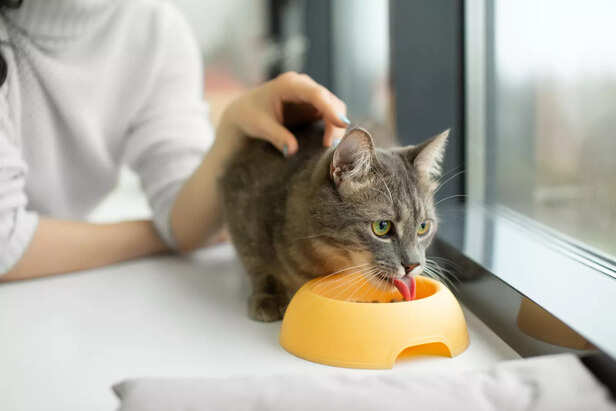
Maintaining diet ( Image Source : Pixabay)
Nutrition serves as the basis for outstanding health, especially in senior cats. As cats age, their metabolism slows down, and they may encounter health problems like kidney disease, arthritis, or obesity. Adjusting their diet to meet their specific needs is crucial.
1. Switch to Senior Cat Food: Formulas for senior cats are created with reduced calories, increased fiber, and nutrients such as taurine, omega-3s, and antioxidants to assist aging joints and organs.
2. Hydration is Key: Senior cats are susceptible to dehydration, particularly those suffering from kidney issues. Moist food can improve hydration and is easier to chew for cats with dental issues. Always ensure you supply fresh water to support their kidney health.
3. Think About Supplements: Adding supplements such as glucosamine for joint wellness or omega-3s for a shiny coat can greatly influence their health. Speak with your veterinarian before starting any new routine.
2. Keep Them Moving: Gentle Exercise for Senior Cats
1. Interactive Toys: Invest in toys like laser pointers, feather wands, or slow-moving balls to encourage playtime. Keep sessions short but engaging.
2. Puzzle Feeders: These can double as mental and physical stimulation while your cat works for their favorite treats.
3. Climbing Alternatives: Replace tall cat trees with shorter, accessible ones to accommodate their reduced jumping ability. Adding ramps or steps can help them safely reach their favorite spots.
3. Create a Senior-Friendly Home
1. Easily Accessible Litter Boxes: Choose a litter box with shorter sides so your senior cat can get in and out with ease. Position several boxes throughout the house to reduce long walks.
2. Comfortable Sleeping Areas: Offer snug beds in their preferred locations. Orthopedic cat beds can offer additional support for sore joints.
3. Secure Climbing Areas: Make certain that shelves and elevated spots are accessible and tidy to avoid accidents.
Comfort is essential—these minor tweaks can greatly improve the life of your elderly cat.
4. Schedule Regular Vet Visits
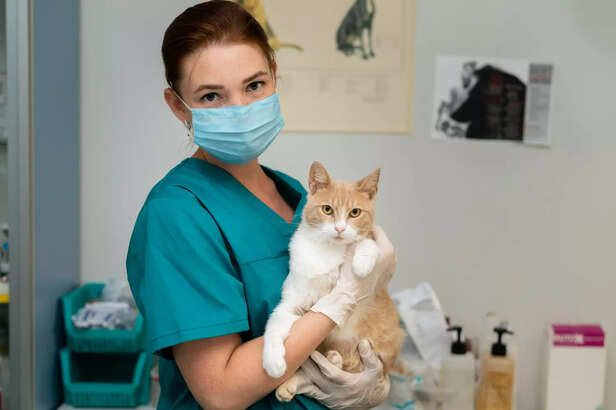
Vet visits ( Image Source : Pixabay)
Senior cats are experts at concealing discomfort, which makes regular veterinary visits essential. Identifying health problems early can significantly enhance outcomes and life quality.
1. Yearly or Half-Yearly Examinations: Routine check-ups assist in tracking weight, oral health, and essential organ function. Blood tests can identify problems such as diabetes or kidney diseases at an early stage.
2. Vaccinations and Parasite Management: Older indoor cats require safeguarding against fleas, ticks, and typical feline diseases. Make sure that their vaccinations and preventive steps are current.
3. Pain Relief: Disorders such as arthritis might need pain alleviation techniques. Your veterinarian may suggest medications, supplements, or alternative treatments to ensure your cat's comfort
5. Prioritize Dental Care
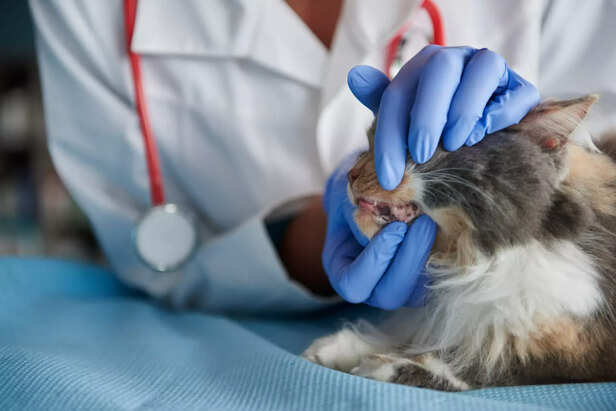
Check on dental hygiene ( Image Source : Pixabay)
Dental health often declines with age, leading to pain, difficulty eating, and even systemic infections. Keeping your senior cat’s teeth in good shape is a must.
1. Brush Their Teeth: Use a cat-friendly toothbrush and toothpaste to gently clean their teeth a few times a week.
2. Dental Treats: If brushing isn’t an option, dental chews or treats can help reduce tartar buildup.
3. Regular Cleanings: Schedule professional dental cleanings as recommended by your vet.
6. Stimulate Their Mind
1. New Toys: Change out toys frequently to maintain their appeal. Basic items such as crinkly balls, catnip toys, or even a cardboard box can offer hours of fun.
2. Interactive Play: Dedicate time to interact with your cat. Engage in play, conversation, and cuddling to enhance your relationship and uplift their mood.
3. Sensory Stimulation: Crack open a window to allow them to observe birds or include a scratching post with engaging textures. These minor enhancements can help keep their mind active.
7. Monitor Behavioral Changes
1. Increased Vocalization: If your cat starts to vocalize more, it might signify discomfort, anxiety, or cognitive issues.
2. Litter Box Avoidance: Trouble using the litter box may point to joint pain, urinary problems, or dissatisfaction with the litter box arrangement.
3. Appetite or Weight Changes: Monitor their eating behaviors closely. A sudden rise or fall in appetite necessitates a visit to the veterinarian.
By staying observant, you can detect potential issues early and manage them before they escalate.
8. Shower Them with Love and Patience
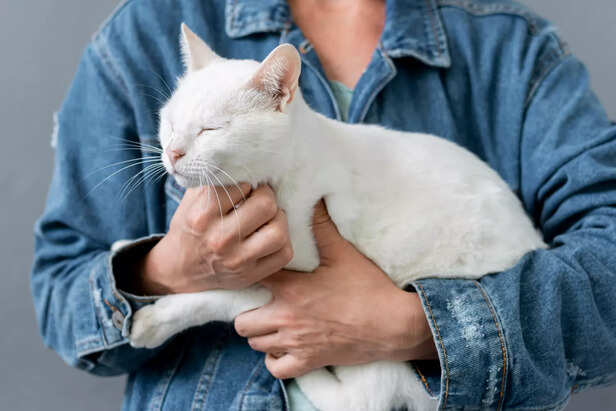
Snuggle with them ( Image Source : Pixabay)
Senior cats deserve all the love and patience in the world. They may move slower or act differently than when they were younger, but their affection and loyalty remain unwavering.
1. Grooming: Help them with grooming if they’re unable to keep their coat clean. Gently brush their fur to remove tangles and promote circulation.
2. Cuddle Time: Spend more time snuggling and offering affection. Many senior cats love the extra attention and warmth.
3. Respect Their Limits: Some older cats prefer quiet solitude. Give them space when needed but be ready to provide comfort when they seek you out.