
Exercise for Senior Pets: How Much is Too Much and What’s Just Right?
Nikita Kanyal | Dec 09, 2024, 19:10 IST

( Image Source : Pixabay)
As pets grow older, their requirements for exercise evolve, making it essential to discover the right balance. This article examines how to supply the ideal amount of exercise for older pets, ranging from gentle activities such as walking and swimming to games that stimulate the mind. It emphasizes indicators of excessive exertion and when to reduce activity, guaranteeing your senior pet remains joyful, healthy, and lively during their later years.
As our cherished pets grow older, we often face new difficulties in their care. A significant concern for pet owners is figuring out the suitable amount of exercise for their senior pets. We all recognize that maintaining activity is crucial for their health, but with aging pets, things can get a bit more complicated. While you strive for them to stay healthy and energetic, you must also prevent undue stress.
Just as humans do, as animals get older, their bodies experience changes. Their muscles may become weaker, their joints may lose their flexibility, and they might even begin to gain weight if they do not remain active. This emphasizes the importance of exercise for older pets—it helps sustain their muscle tone, keeps them at a healthy weight, and encourages mental stimulation.
Furthermore, exercise is an excellent method to enhance your older pet’s mood and energy levels. After all, who doesn’t feel refreshed after a pleasant stroll or some fun interaction? Consistent physical activity can also decrease the likelihood of certain health problems, such as arthritis or heart disease, which are prevalent in senior pets.
![Start slowly and adjust accordingly ( Image Source : Pixabay)]() Now, here’s the challenging part: Over-exercising your senior pet can actually present more hazards than benefits. Unlike younger animals, older pets may be more susceptible to injuries or exhaustion, particularly if they overexert themselves.
Now, here’s the challenging part: Over-exercising your senior pet can actually present more hazards than benefits. Unlike younger animals, older pets may be more susceptible to injuries or exhaustion, particularly if they overexert themselves.
Thus, it’s crucial to recognize the signs of over-exertion:
1. Limping or Lameness: If your pet starts to limp or shows signs of pain after activity, it might indicate that they’ve overdone it.
2. Excessive Panting: Although some panting is normal after exercise, severe or prolonged panting can imply that they’re tired and need a break.
3. Lack of Interest in Exercise: If your senior pet begins to avoid physical activity or appears disinterested, it may signify that they’re no longer equipped for that level of exertion.
4. Behavioral Changes: If your pet shows unusual irritability or fatigue, it might indicate that they need to lower their activity levels.
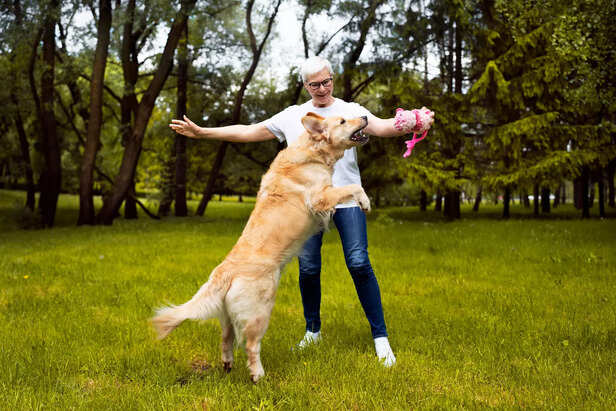
The key is to start slowly and adjust according to your pet's responses. You know them better than anyone, so trust your instincts!
So, how do you seek the "sweet spot" for exercise for your senior pet? Here are some general tips to assist you in determining what’s just right:
1. Emphasize Shorter, More Frequent Sessions
Rather than engaging in lengthy, exhausting walks or vigorous playtimes, prioritize shorter segments distributed throughout the day. You may opt for several 10-15 minute walks instead of one extended walk. This strategy helps maintain their energy levels without overworking their bodies.
2. Low-Impact Activities Are Crucial
For senior pets, gentle forms of exercise are advised. Activities such as walking, swimming, or even light fetch games can entertain your pet without stressing their joints. Swimming is particularly beneficial for dogs with arthritis or mobility challenges because the water helps support their body weight while still offering resistance.
3. Engage in Games That Challenge Their Mind and Body
Not every form of exercise needs to be physical! You can stimulate your senior pet’s mind through puzzle toys, hide-and-seek games, or scent detection activities. Mental engagement is equally vital as physical exercise, and it’s an excellent method to keep your pet involved and active without overwhelming them physically.
4. Monitor for Signs of FatigueDuring any type of exercise, observe how your pet is faring. If they begin to fall behind or pant heavily, it’s best to pause and allow them a rest. Always provide water and ensure they recuperate between activities.
5. Incorporate Rest Days
Similar to humans, senior pets require recovery periods. There’s no need to exercise them every day, particularly if they’ve had an active day prior. Recovery is just as essential for their wellbeing as the exercise itself.
![( Image Source : Pixabay)]()
The equilibrium between excessive and adequate exercise can fluctuate over time, so it’s crucial to remain attuned to your pet’s physical condition and behavior. Here are some signs to observe:
1. Significant Weight Gain: If your senior pet is gaining weight, it may indicate that they require additional exercise to burn off those extra calories.
2. Restlessness or Hyperactivity: Although it’s uncommon for senior pets to be overly hyper, if your pet is pacing or appears unusually restless, they may need more activity to expend extra energy.
3. Increased Playful Behavior: If your senior pet shows greater enthusiasm for playtime and becomes excited during walks, this might suggest they are ready for a bit more exercise.
1. Extended Recovery Time: If your pet takes a longer time to recover after exercising, they may need shorter or less intense workouts.
2. Avoiding Exercise: If they actively resist walks or seem disinterested in their usual activities, it might be time to cut back.
3. Visible Discomfort: If your pet shows signs of stiffness or limping after exercise, it’s a sign that you should reduce the intensity and frequency.
As you adjust your senior pet’s exercise routine, make sure it’s still something they enjoy! Here are a few tips to keep things fun:
1. Mix It Up: Alter the routine occasionally to maintain interest for both of you. Explore new pathways for walks, teach them different tricks, or present them with various toys.
2. Positive Reinforcement: Utilize treats or compliments to motivate your pet during physical activity. This helps maintain their enthusiasm and turns exercise into an enjoyable, rewarding experience.
3. Spend Quality Time Together: Keep in mind, exercise is also a means of connection. Whether it’s a stroll, a game of fetch, or simply a snuggle following a playtime, treasure these experiences with your senior pet.
Why Is Exercise Important for Senior Pets?
Furthermore, exercise is an excellent method to enhance your older pet’s mood and energy levels. After all, who doesn’t feel refreshed after a pleasant stroll or some fun interaction? Consistent physical activity can also decrease the likelihood of certain health problems, such as arthritis or heart disease, which are prevalent in senior pets.
How Much Exercise is Too Much for Senior Pets?
Start slowly and adjust accordingly ( Image Source : Pixabay)
Thus, it’s crucial to recognize the signs of over-exertion:
1. Limping or Lameness: If your pet starts to limp or shows signs of pain after activity, it might indicate that they’ve overdone it.
2. Excessive Panting: Although some panting is normal after exercise, severe or prolonged panting can imply that they’re tired and need a break.
3. Lack of Interest in Exercise: If your senior pet begins to avoid physical activity or appears disinterested, it may signify that they’re no longer equipped for that level of exertion.
4. Behavioral Changes: If your pet shows unusual irritability or fatigue, it might indicate that they need to lower their activity levels.
The key is to start slowly and adjust according to your pet's responses. You know them better than anyone, so trust your instincts!
What’s Just Right for Senior Pets?
1. Emphasize Shorter, More Frequent Sessions
Rather than engaging in lengthy, exhausting walks or vigorous playtimes, prioritize shorter segments distributed throughout the day. You may opt for several 10-15 minute walks instead of one extended walk. This strategy helps maintain their energy levels without overworking their bodies.
2. Low-Impact Activities Are Crucial
For senior pets, gentle forms of exercise are advised. Activities such as walking, swimming, or even light fetch games can entertain your pet without stressing their joints. Swimming is particularly beneficial for dogs with arthritis or mobility challenges because the water helps support their body weight while still offering resistance.
3. Engage in Games That Challenge Their Mind and Body
Not every form of exercise needs to be physical! You can stimulate your senior pet’s mind through puzzle toys, hide-and-seek games, or scent detection activities. Mental engagement is equally vital as physical exercise, and it’s an excellent method to keep your pet involved and active without overwhelming them physically.
4. Monitor for Signs of FatigueDuring any type of exercise, observe how your pet is faring. If they begin to fall behind or pant heavily, it’s best to pause and allow them a rest. Always provide water and ensure they recuperate between activities.
5. Incorporate Rest Days
Similar to humans, senior pets require recovery periods. There’s no need to exercise them every day, particularly if they’ve had an active day prior. Recovery is just as essential for their wellbeing as the exercise itself.
Signs Your Senior Pet Is Prepared for More or Less Exercise
( Image Source : Pixabay)
The equilibrium between excessive and adequate exercise can fluctuate over time, so it’s crucial to remain attuned to your pet’s physical condition and behavior. Here are some signs to observe:
Signs They Require More Exercise
2. Restlessness or Hyperactivity: Although it’s uncommon for senior pets to be overly hyper, if your pet is pacing or appears unusually restless, they may need more activity to expend extra energy.
3. Increased Playful Behavior: If your senior pet shows greater enthusiasm for playtime and becomes excited during walks, this might suggest they are ready for a bit more exercise.
Signs They Require Less Exercise
1. Extended Recovery Time: If your pet takes a longer time to recover after exercising, they may need shorter or less intense workouts.
2. Avoiding Exercise: If they actively resist walks or seem disinterested in their usual activities, it might be time to cut back.
3. Visible Discomfort: If your pet shows signs of stiffness or limping after exercise, it’s a sign that you should reduce the intensity and frequency.
How to Make Exercise Fun for Both of You
1. Mix It Up: Alter the routine occasionally to maintain interest for both of you. Explore new pathways for walks, teach them different tricks, or present them with various toys.
2. Positive Reinforcement: Utilize treats or compliments to motivate your pet during physical activity. This helps maintain their enthusiasm and turns exercise into an enjoyable, rewarding experience.
3. Spend Quality Time Together: Keep in mind, exercise is also a means of connection. Whether it’s a stroll, a game of fetch, or simply a snuggle following a playtime, treasure these experiences with your senior pet.