
Easy Tips to Handle a Puppy Crying in the Crate
Sonam Singh | Feb 20, 2026, 07:00 IST

Twin Puppies 2
Though those first nights of crate whining can try anyone s resolve, bringing home a new puppy is an exciting experience. Puppies cry primarily for a variety of reasons including hunger after play, physical discomfort from a bare crate separation anxiety from leaving their littermates or the need for frequent potty breaks . The secret is to differentiate genuine needs from attention seeking through a gradual training plan ignoring cries runs the risk of creating bad habits while rushing to comfort reinforces whining. Your dog will soon treat the crate like a comfortable den if you are consistent in covering it providing safe toys and rewarding quiet times. This will improve everyone s quality of sleep.
Highlights
- Prioritize needs first Check for potty urgency hunger, or discomfort before ignoring silent outdoor trips only for true signals.
- Wait for quiet moments Never release during full cries pause for 5to10 seconds of silence then calmly reward to teach self soothing.
- Stay calm nearby Hand on crate bars or bedside presence reassures without interaction avoid eye contact talking or play during whines.
- Layer comfort tools Use heartbeat plush white noise pheromone diffusers or frozen Kongs to distract and reduce anxiety independently.
- Track and adjust daily Log cry duration shorten sessions if regressing and consult trainer if no improvement in 7to10 days.
Prep the Crate Right

Adorable Labrador Puppy with Pumpkins
Image credit : Freepik
Choose the right size big enough for your pup to stand turn and stretch but not oversized to avoid potty accidents use a divider for growing breeds. Opt for wire crates with ventilation or solid plastic for a den feel avoid fabric until fully trained. Line the bottom with soft washable bedding like old t-shirts smelling of you or mom for familiarity plus a crate mat for joint support skip loose towels that bunch up. Add a non spill water bowl safe chew toys or a frozen Kong with kibble for distraction. Cover three sides and top with a breathable blanket to block light mimicking a cave place in a quiet family area like the living room by day bedroom at night. Include a ticking clock or heartbeat plush for soothing pulse simulation
Step by Step Solutions
French Bulldog
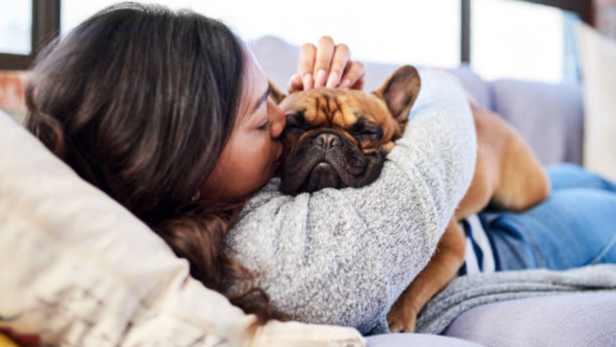
Optimize the crate setup for den like security layer with washable blankets for warmth and cushioning, avoiding loose items that could snag add a safe frozen Kong stuffed with puppy kibble and peanut butter for self soothing distraction. Pre crate rituals burn energy 20to30 minutes of fetch tug or puzzle toys ensure sleepiness not restlessness. Introduce a heartbeat plush toy or wrapped ticking clock near the pups bed to mimic mother's rhythm proven to cut nighttime fuss by 50% in early days.
Understanding Causes
puppy
Image credit : Pixabay
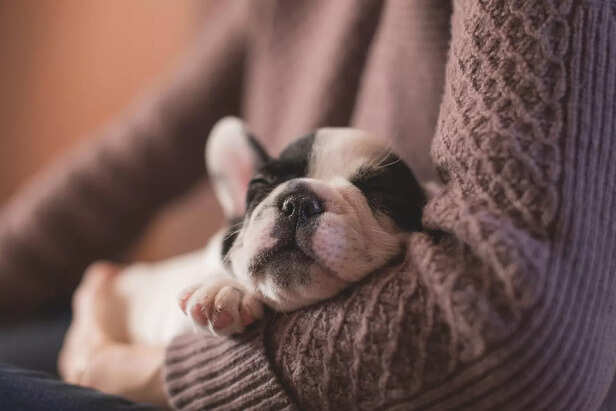
Puppies under 12 weeks have tiny bladders holding just 2to3 hours, leading to urgent potty cries if crated too long without breaks. Beyond biology emotional triggers like separation anxiety from littermates fear of the dark or new space or overtiredness after exciting days amplify whining into hours long episodes. Physical discomfort matters too bare wire floors chill paws, empty crates feel unsafe, or hunger post playtime sparks distress always check temperature, bedding, and last meal timing first. Track patterns in a journal to spot trends and rule out illness like tummy upset or pain via a vet visit if cries sound pained or include vomiting.
Nighttime Setup
puppy
Image credit : Pexels
Handle Crying Smart

Puppy socialisation
Image credit : Freepik
Daytime Training
Start with brief positive introductions toss high value treats inside an open crate during playtime, letting your pup enter voluntarily to eat meals or snacks fostering vibes. Follow a structured schedule after potty and 15to20 minutes exercise crate for 1 to 5 minutes while you stay nearby praising calm exits repeat 3 to 5 times daily. Incorporate enforced naps post lunch or mid afternoon tire with fetch or puzzles first then crate sleepy pups for 1 to 2 hours using white noise to extend rest without protest. Gradually increase alone time step out for 30 seconds return on quiet building to 20 to 30 minutes by week 2 while monitoring via baby cam. Mix family involvement rotate who rewards in the crate to avoid single person attachment and practice during TV time or chores for real life tolerance. If whines occur apply nighttime rules wait for quiet before release and adjust for teething or growth spurts.
Celebrate the bond with your pets, explore Health & Nutrition, discover Breeds, master Training Tips, Behavior Decoder, and set out on exciting Travel Tails with Times Pets!
Conclusion
- How do I make my puppy stop crying in a crate?
To stop your puppy from crying in the crate make sure they’re tired, have gone potty and feel comfortable inside. Don’t let them out while they’re crying reward calm behavior so they learn to relax. - What calms a puppy in a crate?
A puppy feels calm in a crate when it’s comfortable and familiar soft bedding, a favorite toy, and your scent help a lot. Keeping a routine and making sure the puppy is tired and has gone potty also helps them relax. - Does putting a blanket over a dog crate help?
Yes, putting a blanket over a dog crate can help. It makes the crate feel cozy and den like, which reduces distractions and helps many dogs feel safer and calmer ust make sure there’s good airflow. - How to get a puppy to sleep in a crate first night?
To help a puppy sleep in a crate on the first night make the crate cozy with soft bedding, keep it near you let the puppy potty and play before bedtime and stay calm most puppies settle once they feel safe and tired. - How long should a puppy be in a crate per day?
A puppy should be in a crate only for short periods about 1 hour per month of age at a time . The rest of the day should include play, training, and social time.