
How pets can ease loneliness in urban India: The little joys of having a companion at home
Oct 06, 2026, 10:00 IST

Old man walking his dog
For students away from home, older adults living alone and professionals working remotely, pets can bring companionship, routine and unexpected moments of joy. From a dog walk that sparks a neighbourhood conversation to a cat keeping you company during work, explore what research says about the comforting role animals can play in increasingly urban lives.
There is something about coming home to a pet that makes a house feel instantly more alive. A dog waiting at the door, a cat settling beside your laptop or a pair of paws appearing just as you sit down for dinner can turn an otherwise ordinary evening into something warmer.
Pets do not need to understand your workday, your bad mood or why you have spent 20 minutes staring at the same email. They are simply there. There is someone to greet, feed, walk, play with, and occasionally, talk to as if they understand every word.
That kind of companionship can be especially meaningful in India’s urban lives. Students leave their families for college, professionals move cities for work, older parents may find themselves living alone and remote workers can spend long stretches at home. Smaller households and migration have changed the way we experience everyday companionship.
The science behind the human-animal bond is encouraging, even if it is not quite as simple as saying that pets can make loneliness disappear.
A 2022 systematic review published by PubMed of 24 observational studies found that pet ownership was associated with lower social isolation among adults, although findings around loneliness were mixed. The association appeared stronger during the pandemic, when many people were feeling high levels of isolation.
There are several possible reasons why animals can make us feel better. Research on human-animal interaction has found changes in cortisol, heart rate and blood pressure, while affectionate touch and familiar bonds may involve oxytocin-related pathways.
Then, there are the everyday benefits that do not need a laboratory to make sense: feeding a pet gives your morning a rhythm, walking a dog gets you outside, and playing with a cat can be a welcome break from a screen. And dogs, in particular, have a habit of making strangers talk to each other. A walk can lead to a conversation with a neighbour, security guard or fellow pet parent.
One study of pet owners in urban Kancheepuram, Tamil Nadu by NJCM India, found that 74.1% of participants reported reduced stress while spending time with their animals. While the study cannot establish cause and effect, it adds to a growing body of research exploring why the human-animal bond feels so comforting. For older adults, loneliness can come slowly. Children move to another city, retirement changes the rhythm of the week and familiar social circles become smaller.
An analysis of nationally representative Longitudinal Ageing Study in India data found that 13.4% of 30,394 adults aged 60 and above reported frequent loneliness. Smaller social networks, physical inactivity, chronic illness and not being in a marital union were among the factors associated with it.
For someone who enjoys animals and is able to care for one, a pet can bring a lovely sense of purpose back into everyday life. An evening walk becomes something to look forward to. Grooming and cuddling provide physical affection. Even watching a pet sleep can make a room feel less quiet.
Of course, the right pet should match the person's lifestyle, mobility and ability to care for it. But when the match works, companionship can become one of the happiest parts of the day.
For students moving away from home, the first few months can be a strange combination of excitement and homesickness. You have a new room, a new city and perhaps a completely new routine, and the people who knew you best are suddenly miles away.
Animals can offer a little familiarity in the middle of all that change. There is evidence for this comforting effect too. In one study by MacEwan University, students who interacted with animals reported an immediate reduction in stress and homesickness, although the effect was not evident two weeks later.
That makes animal interaction particularly interesting for students. It does not have to mean adopting a pet in a hostel or rented apartment. Visiting an animal shelter, volunteering with a rescue organisation, fostering for a defined period or simply spending time with a friend's pet can bring some of the same warmth without the long-term responsibility.
![Animal shelter]()
![Cat on Laptop]() The work-from-home lifestyle has given us many things: no commute, flexible clothes and the ability to attend a meeting from the sofa. It has also removed the tiny social moments that once filled an office day.
The work-from-home lifestyle has given us many things: no commute, flexible clothes and the ability to attend a meeting from the sofa. It has also removed the tiny social moments that once filled an office day.
In an Asia-Pacific Journal of Health Management’s small Indian pilot study of information-technology employees working from home, 35% said they felt lonely and lost, while 47% felt disconnected from the real world.
A pet can make the home office feel less like an office.
There is the inevitable water-bowl break, the walk between meetings and the cat deciding that your keyboard is clearly the most comfortable place in the house. These moments may not improve your quarterly targets, but they can make the working day feel considerably more human.
![Pet in old-age home]() The benefits of animal companionship do not have to stop at individual homes. Old-age homes, hospitals, rehabilitation centres and other care institutions can introduce animal interactions without residents having to take on the responsibilities of full-time pet ownership.
The benefits of animal companionship do not have to stop at individual homes. Old-age homes, hospitals, rehabilitation centres and other care institutions can introduce animal interactions without residents having to take on the responsibilities of full-time pet ownership.
In animal-assisted therapy, trained professionals use interaction with an assessed animal towards a defined therapeutic goal. Animal-assisted activities can be more informal, focusing on enjoyment, engagement and companionship. A systematic review of dog-assisted interventions in residential long-term-care facilities found possible improvements in social functioning, depression and loneliness, although the quality of the available research varied.
India has been exploring this space too. A review of India’s animal-assisted therapy landscape traces programmes to Chennai in 1996 and highlights the potential of animal-assisted interventions, even as the practice remains relatively limited.
Of course, the happiest human-animal relationships are the ones that work for everyone involved, including the animal.
People have different comfort levels around animals, while allergies, fear, health concerns and an animal's temperament need to be considered. International guidance recommends healthy, behaviourally suitable animals, trained handlers, supervision and veterinary checks for animal-assisted interactions.
For pet owners, responsible companionship also means making room for food, veterinary care, exercise, grooming and travel arrangements. It is a relationship, after all, rather than another item on the shopping list.
But perhaps that is also what makes pets so special. Their presence asks us to slow down enough to notice another living being, to leave the laptop for a walk, to make time for play, and most importantly, to care for something outside ourselves.
Pets do not need to understand your workday, your bad mood or why you have spent 20 minutes staring at the same email. They are simply there. There is someone to greet, feed, walk, play with, and occasionally, talk to as if they understand every word.
That kind of companionship can be especially meaningful in India’s urban lives. Students leave their families for college, professionals move cities for work, older parents may find themselves living alone and remote workers can spend long stretches at home. Smaller households and migration have changed the way we experience everyday companionship.
What science says
A 2022 systematic review published by PubMed of 24 observational studies found that pet ownership was associated with lower social isolation among adults, although findings around loneliness were mixed. The association appeared stronger during the pandemic, when many people were feeling high levels of isolation.
There are several possible reasons why animals can make us feel better. Research on human-animal interaction has found changes in cortisol, heart rate and blood pressure, while affectionate touch and familiar bonds may involve oxytocin-related pathways.
Then, there are the everyday benefits that do not need a laboratory to make sense: feeding a pet gives your morning a rhythm, walking a dog gets you outside, and playing with a cat can be a welcome break from a screen. And dogs, in particular, have a habit of making strangers talk to each other. A walk can lead to a conversation with a neighbour, security guard or fellow pet parent.
One study of pet owners in urban Kancheepuram, Tamil Nadu by NJCM India, found that 74.1% of participants reported reduced stress while spending time with their animals. While the study cannot establish cause and effect, it adds to a growing body of research exploring why the human-animal bond feels so comforting. For older adults, loneliness can come slowly. Children move to another city, retirement changes the rhythm of the week and familiar social circles become smaller.
An analysis of nationally representative Longitudinal Ageing Study in India data found that 13.4% of 30,394 adults aged 60 and above reported frequent loneliness. Smaller social networks, physical inactivity, chronic illness and not being in a marital union were among the factors associated with it.
For someone who enjoys animals and is able to care for one, a pet can bring a lovely sense of purpose back into everyday life. An evening walk becomes something to look forward to. Grooming and cuddling provide physical affection. Even watching a pet sleep can make a room feel less quiet.
Of course, the right pet should match the person's lifestyle, mobility and ability to care for it. But when the match works, companionship can become one of the happiest parts of the day.
When home is suddenly a different city
Animals can offer a little familiarity in the middle of all that change. There is evidence for this comforting effect too. In one study by MacEwan University, students who interacted with animals reported an immediate reduction in stress and homesickness, although the effect was not evident two weeks later.
That makes animal interaction particularly interesting for students. It does not have to mean adopting a pet in a hostel or rented apartment. Visiting an animal shelter, volunteering with a rescue organisation, fostering for a defined period or simply spending time with a friend's pet can bring some of the same warmth without the long-term responsibility.
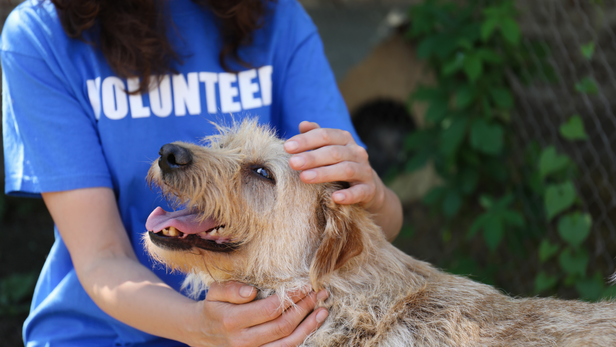
Animal shelter
Your work-from-home companion

Cat on Laptop
In an Asia-Pacific Journal of Health Management’s small Indian pilot study of information-technology employees working from home, 35% said they felt lonely and lost, while 47% felt disconnected from the real world.
A pet can make the home office feel less like an office.
There is the inevitable water-bowl break, the walk between meetings and the cat deciding that your keyboard is clearly the most comfortable place in the house. These moments may not improve your quarterly targets, but they can make the working day feel considerably more human.
Bringing animals into places that need a little more joy
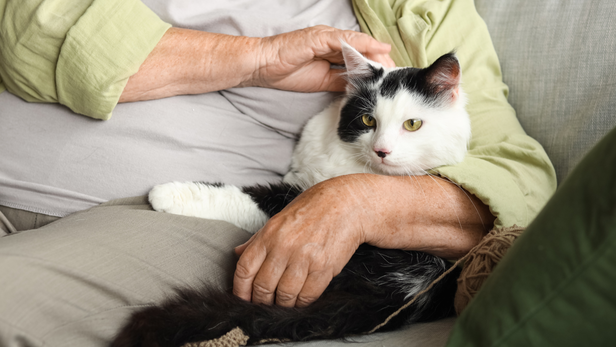
Pet in old-age home
In animal-assisted therapy, trained professionals use interaction with an assessed animal towards a defined therapeutic goal. Animal-assisted activities can be more informal, focusing on enjoyment, engagement and companionship. A systematic review of dog-assisted interventions in residential long-term-care facilities found possible improvements in social functioning, depression and loneliness, although the quality of the available research varied.
India has been exploring this space too. A review of India’s animal-assisted therapy landscape traces programmes to Chennai in 1996 and highlights the potential of animal-assisted interventions, even as the practice remains relatively limited.
The joy comes with responsibility
People have different comfort levels around animals, while allergies, fear, health concerns and an animal's temperament need to be considered. International guidance recommends healthy, behaviourally suitable animals, trained handlers, supervision and veterinary checks for animal-assisted interactions.
For pet owners, responsible companionship also means making room for food, veterinary care, exercise, grooming and travel arrangements. It is a relationship, after all, rather than another item on the shopping list.
But perhaps that is also what makes pets so special. Their presence asks us to slow down enough to notice another living being, to leave the laptop for a walk, to make time for play, and most importantly, to care for something outside ourselves.